
The night she was gang raped in a Delhi bus and thrown onto a street to die, the young woman, whom the Indian media would name Nirbhaya, had been trying to get home after watching the movie Life of Pi. The film is about a shipwreck that left a lone survivor, a boy, who relates his adventures in enthralling detail. He shares the boat with a full-grown tiger, and through grit and ingenuity manages to beat incredible odds. This story, shared with personnel from the shipping company, becomes the official one. Only later is another narrative wrung out of him – brief, gruesome, and clearly true.
Nirbhaya's own story has only the one, horrific version. And it is one we know well. Revived most recently by a controversial BBC documentary, India's Daughter, the protests that followed the rape changed the conversation around sexual violence in India and led to the most progressive legislation yet on such crimes. And it so galvanised the nation that when news of another sexual atrocity broke in rural India a little more than a year later – "Woman gang-raped on orders of 'kangaroo court'," as a BBC headline put it – journalists from around the world rushed to report on it, and commentators to demand swift justice.
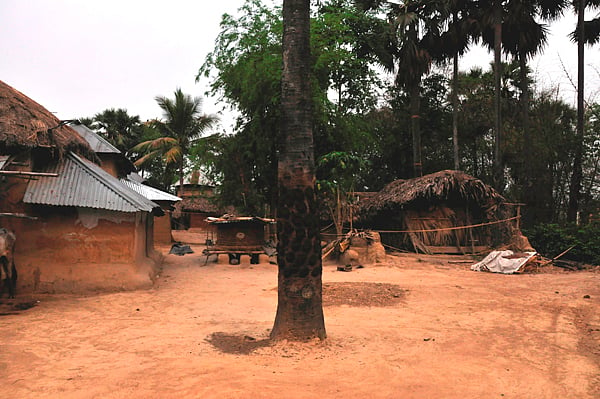
Now Sonia Faleiro, whose previous book, the internationally acclaimed Beautiful Thing: Inside the Secret World of Bombay's Dance Bars revealed her as an exciting writer with particular empathy for abused women, has published the most detailed account yet of what transpired that night in the remote village of Subalpur, West Bengal. In 13 Men, she tells the harrowing story of a young adivasi woman, 'Baby', who was brutally punished by her Santhal community for defying its cultural mores. As in Life of Pi, this story has an alternate version, which Faleiro sketches near the end. As she tells it, however, it makes such little sense that it cannot possibly be true.
What really happened is difficult to discern, but it matters. Baby remains under indefinite police protection. In practice, a kind of house arrest. And thirteen men – most of the able-bodied men of Subalpur – are serving the second of 21 years in prison. Their families are pauperised from having had to pay their legal costs, and are close to starvation. But no proof seems to exist that a rape even took place. In the meantime, their Santhal tribe, and by extension adivasi culture, have been tried and convicted in the national media on the charge of barbarism. 13 Men upholds that indictment.