
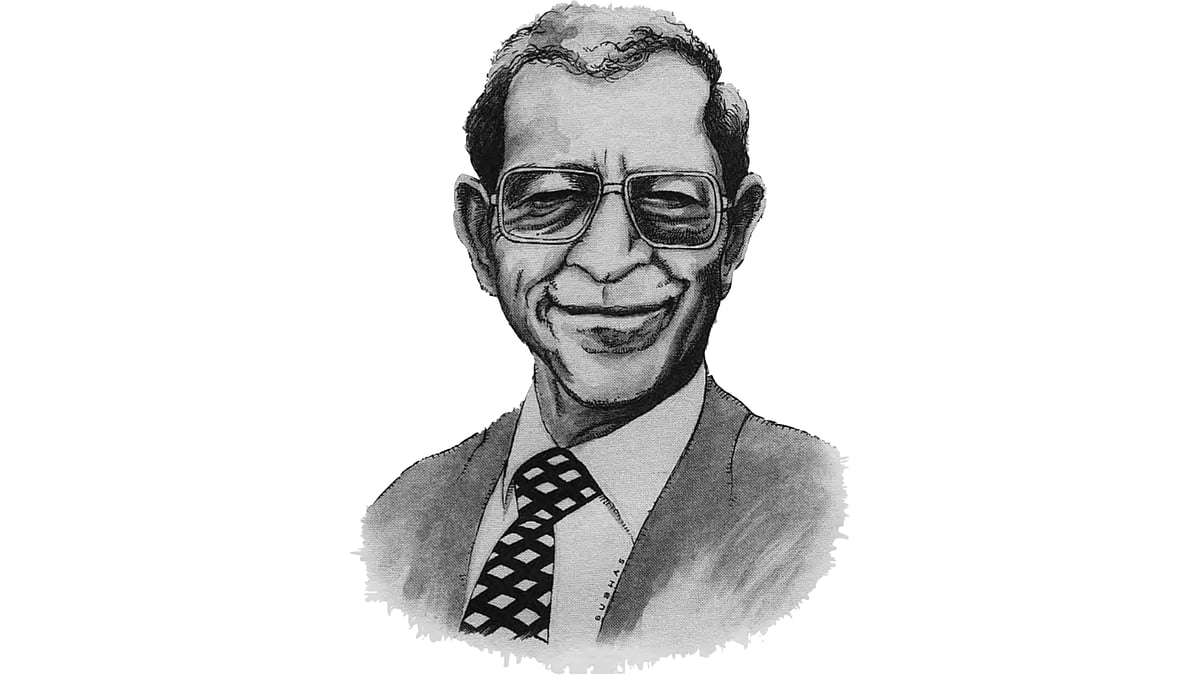
"One can explain India´s weakness by India´s greatness," says Stephen P. Cohen, head of the South Asia Programme at the Brookings Institution in Washington DC. He shared some insights into the India-Pakistan relationship and how India sees itself, with Islamabad-based research scholar, Sarahh Bokhari. Excerpts:
How would you define the India-Pakistan conflict?
India and Pakistan are engaged in a ´paired minority conflict´, which is a type of dispute in which each party thinks of itself as a minority whose interests are threatened by the other. It is very hard to construct a dialogue between such parties. The Sinhalese and Tamils in Sri Lanka each see themselves as threat ened minorities. The Sinhalese perceive an ideological, political, cultural and civilisational threat from Tamils, whereas the Tamils face the prospects of defeat and expulsion or dominance by the majority Sinhala. The latter have been reluctant to make concessions to Tamils and vice versa, and now the country has become polarised, with extremists on both sides exercising a veto over moderates. Similarly, Arabs and Israel both act as threatened minorities within the same territory—they use force against each other to protect themselves. Pakistan sees itself as a threatened minority due to being one-sixth the size of India, due to having lesser capabilities in the conventional military build-up, and for the very reason that, it was carved out of India.
But why should India see itself a threatened minority?
This is the most interesting aspect of the problem. India considers itself a threatened minority because there is no single majority Hindu culture; it envisions itself as being encircled by outside powers. Moreover, India lost its strategic ally, the Soviet Union, after the Cold War ended, which made it feel further threatened. When a crucial international supporter disappears, the sense of encirclement and threat intensifies.