
Cross-border solidarity isn't exactly a new idea. The rallying cry, "Proletarians of all countries, unite!…" that emerged in 1848 from The Communist Manifesto has resounded around the globe in many forms since it was first articulated.
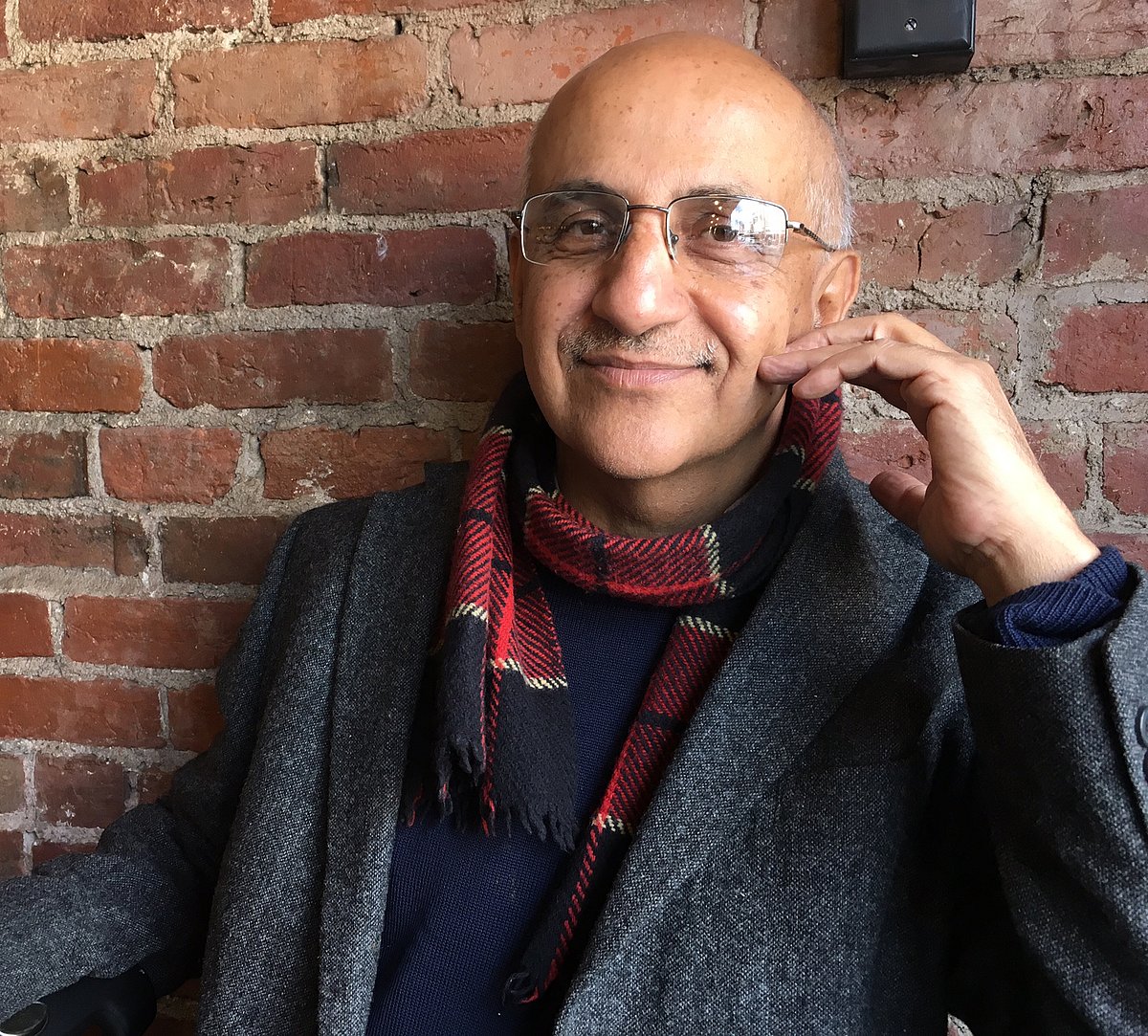
Meeting Harsh Mander, one of India's foremost activist-intellectuals and a courageous former civil servant, again revived the idea for me, but this time, beyond workers. I had first met the soft-spoken Mander in Karachi, when I worked for Geo TV. He had been part of a small delegation from India visiting Pakistan in early 2004, a visit aimed at improving understanding between India and Pakistan, organised by the social-cultural group Act Now for Harmony and Democracy (ANHAD).
Mander, along with activist Shabnam Hashmi (sister of the slain theatre activist Safdar Hashmi) and Marxist historian Prof K N Panikkar, is one of the founding members of ANHAD, established in March 2003 in response to the massacre in Gujarat the previous year. The death and destruction in Gujarat in 2002 galvanised Indian intellectuals and activists as never before. Many of those who rose up then had long been fighting for justice, some publicly and some, like Mander, through the system.
An Indian Administrative Services (IAS) officer who left his post in the aftermath of the Gujarat pogroms, he had been fighting the battle in his own way throughout his 22 years of service, refusing to fall prey to politics. Posted in various districts across India, he meticulously followed the letter and spirit of the law to tilt the balance in favour of the dispossessed. Just four years into service, as Additional Collector in Indore, he took the bold step of calling in the army to quell attacks on the district's Sikh population in 1984 following Indira Gandhi's assassination.