
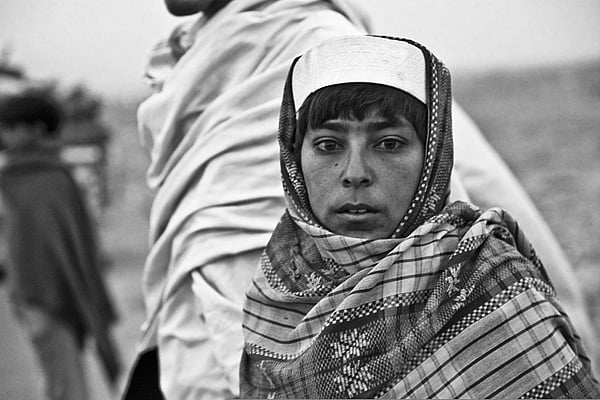
Depending on which source you read, youth – defined as those aged between 15 and 29 years – account for up to 70 percent of Afghanistan's estimated population of 29 million. The median age of the nation is just 15.6 years. Referred to by demographers as a 'youth bulge', Afghanistan's demographic realities present a stark contrast to the ageing populations of the West and much of South and Southeast Asia, providing a unique set of economic, political and social challenges. Described by experts as a 'statistically risky population', the desires, demands, successes and shortcomings of this generation will shape Afghanistan's future in the years and decades to come. At present, the challenges this reality presents are sobering.
Demographic pressures
Factors related to demographic trends such as unemployment, heightened expectations among job seekers, urbanisation, and environmental stresses due to scarce resources contribute to social unrest and violence. Given Afghanistan's adverse security situation, it is possible that this relationship will be exacerbated. Indeed, there is a consensus that the insurgency – as much as the Afghan National Army and Afghan National Police – offers a source of employment, albeit high-risk, to Afghan youth. This results in an alarming correlation between unemployment, poverty and inequality on the one hand, and radicalisation on the other: young men often join insurgencies simply in order to earn an income or increase their status. For many youth caught between self-actualisation prospects (pursuing an education, etc.) and the survival needs of the family, life's choices are at times dismal. Often, unemployed youth can neither feed their family nor afford education.
RECLAIMING AFGHANISTAN:
WEB-EXCLUSIVE PACKAGEBarometers of 'success' by Jennifer Fluri
In too deep by Raza Rumi
The war bubble by May Jeong
The lessons never learnt by Tom A Peter
What happens next? by Barbara Stapleton
More
Demographic issues likewise affect the democratic project. Youthful populations are likely to apply significant pressure to job markets that may not have the means to incorporate new workers. Faced with a large percentage of unemployed and dissatisfied young people, it is possible that elites will be more willing to back an authoritarian regime to maintain stability. In Afghanistan, the population imbalance is likely to exacerbate already high unemployment rates (currently estimated at 40 percent) and could potentially lead to high levels of socio-political dissatisfaction. According to UNICEF, only 49 percent of Afghan youth are literate, drastically limiting employment opportunities for much of the population. Female literacy rates in the same age bracket are even lower at just 18 percent. Given the current unemployment rate, finding a job in Afghanistan is challenging for both unskilled workers as well as university-educated youth. At present, universities are producing more graduates than there are jobs, while there is a growing perception that employers seek candidates with experience that new graduates often lack.