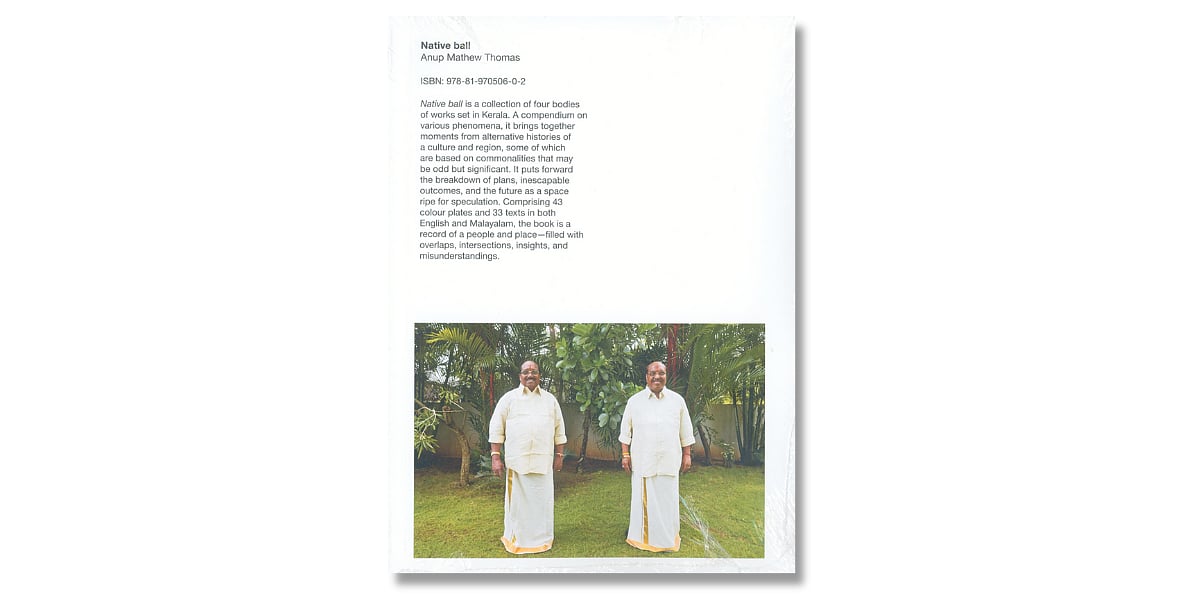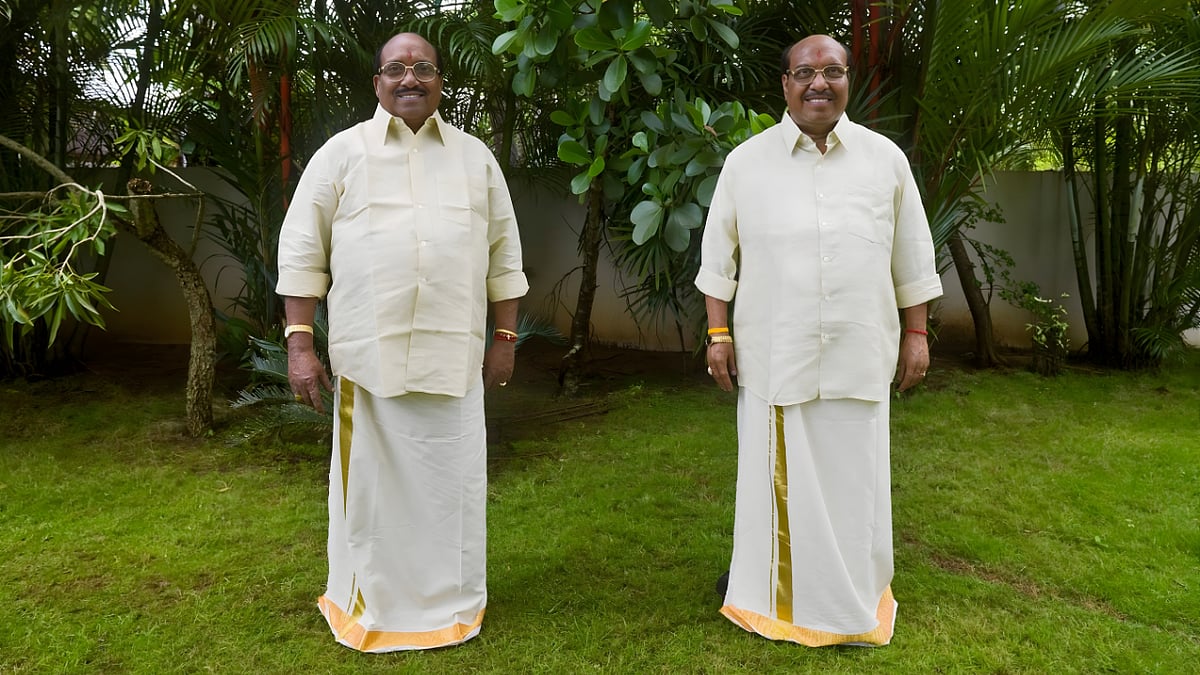
WHEN I SPOKE to the Berlin-based artist Anup Mathew Thomas about his new book Native ball (Reliable Copy and the DAAD Artists-in-Berlin Program, 2025), I fixated on whether or not it was a journalistic project. I tried to convince him that it was; he argued the opposite. Thomas suggested that if I had encountered the work in a gallery, I would have read it differently. I insisted that the text felt like reportage. We arrived nowhere, which feels right for a work that slips away from strict definition.
In hindsight, I realise we were probably talking about different things. I was referring to the book’s tone, which bears the cadence of news writing, the flattening of human events into crisp, impersonal paragraphs. Thomas, meanwhile, took “journalistic” as a literal category, bound by its own rules. That slippage, between tone and category, is central to how Native ball works.
For someone encountering Thomas’s work for the first time through the book, as I did, the temptation is to take it at face value. The oddness of the stories does not immediately register because they are written with bureaucratic confidence. When we first spoke, he asked me: “Why would you believe these to be true?” It’s a simple question that throws the book’s mechanism into focus. It reveals how easily the documentary tone performs truth, and how quickly we, as readers or viewers, consent to that performance. The book itself is not working especially hard to deceive; the insistence on truth comes as much from the work as from the reader’s instincts – the reflex to treat anything that looks like a record as evidence.