
This week at Himal
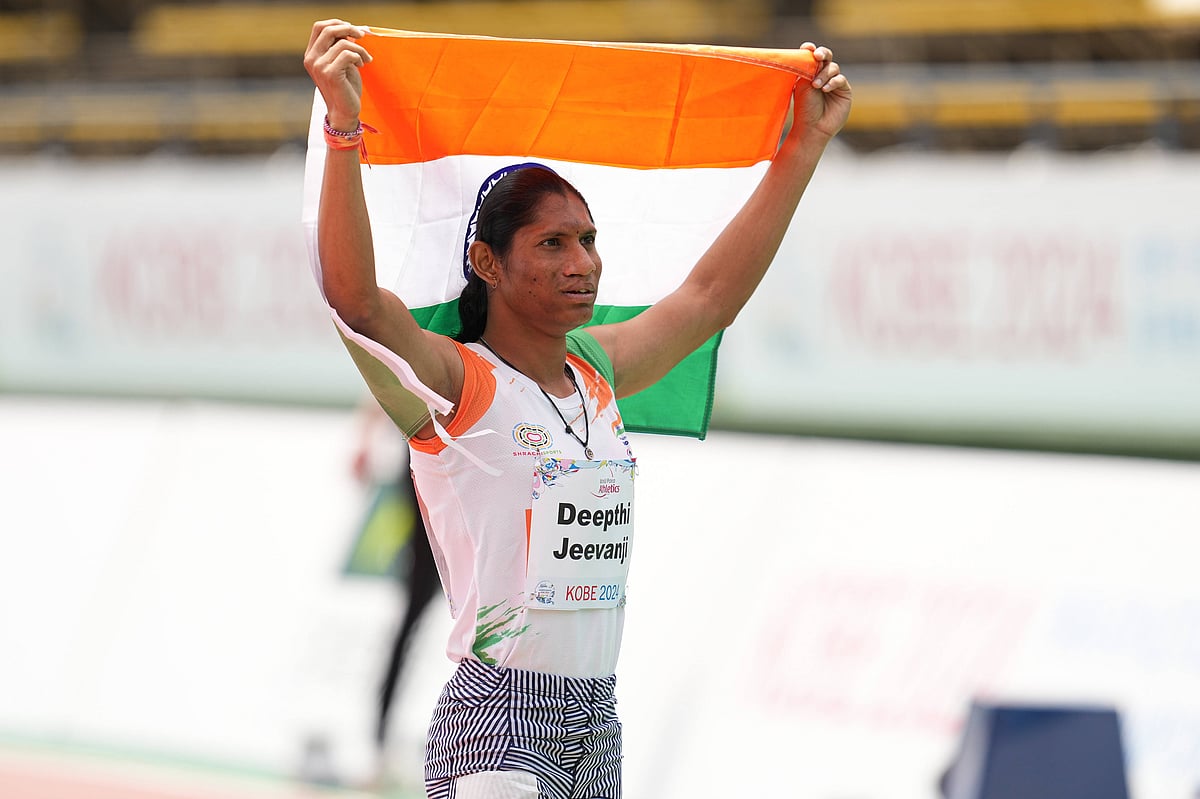
Deepthi Jeevanji’s bronze medal may have made headlines, but Priti Salian writes that Indian news coverage of the Paralympic Games remains stuck in a victim-hero dichotomy that often foregrounds disability, rather than recognising athleticism at the highest level. We're always working to bring you Southasian perspectives on global events, filling in gaps in media coverage so you don't have to.
From Sri Lanka, Amita Arudpragasam writes about the climate emergency spreading through the Northern Province and other Tamil-dominated areas impacted by war and systemic discrimination, leaving their population vulnerable. Yet despite rising sea levels, extreme heat and other climate events wrecking the livelihoods of farming and fishing communities, the Tamils are barely prepared to defend it.
You have 3 more days to watch Prateek Shekhar’s Chai Darbari, unpacking the sociopolitical context in Ayodhya ahead of 2019 general elections, which we're streaming for Screen Southasia. Sign up to watch it here.
Want to help shape Southasia Weekly? Take our quick 1-minute survey.
Also read: Climate change brings a new emergency to the Tamil homeland in Sri Lanka
Also read: Para athletes are elite competitors – not tragic or inspirational caricatures
This week in Southasia
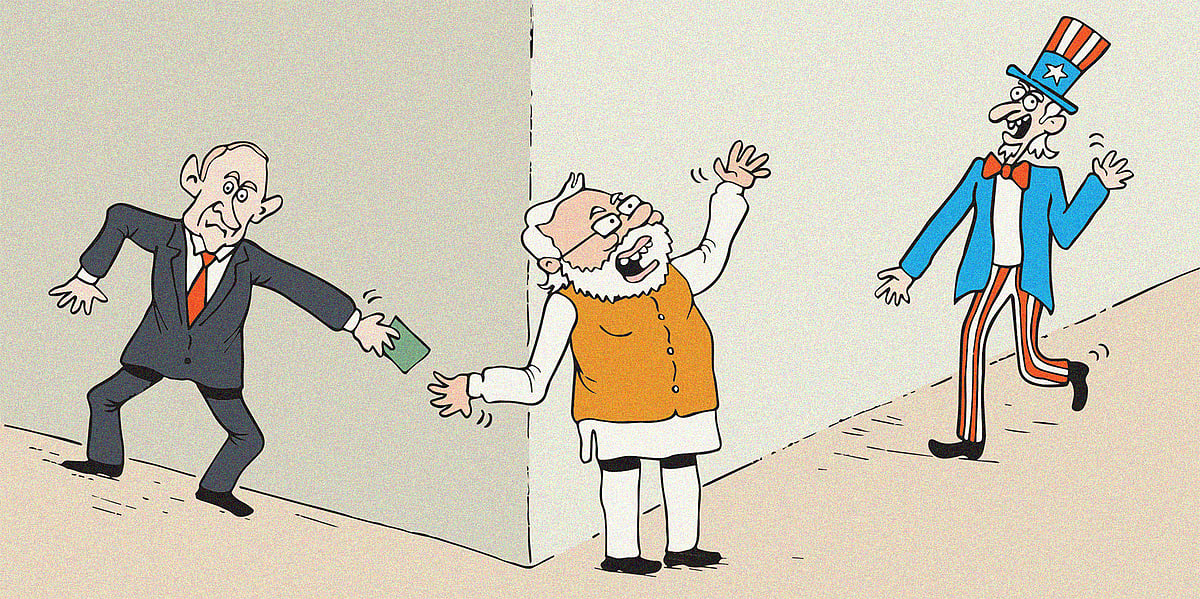
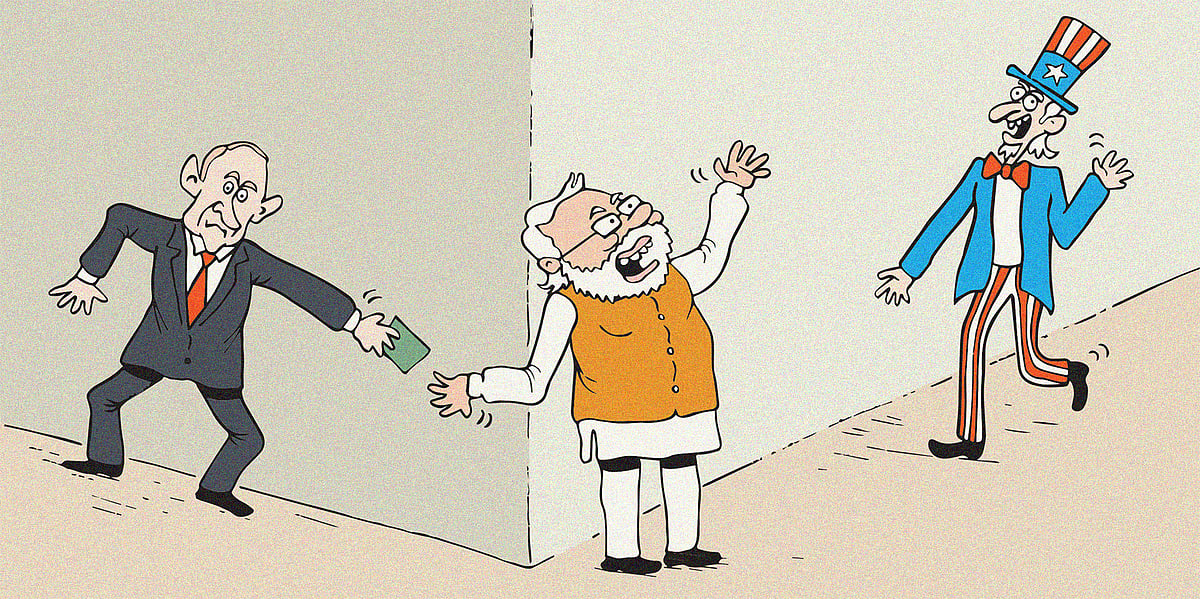
India's covert trade with Russia amidst the Russia-Ukraine war
This week saw fresh revelations about India’s covert trade with Russia, with media reports of Moscow’s industry and trade ministry’s plans to spend INR 82 billion (USD 1 billion) on acquiring ‘sensitive goods’ in India, and building facilities for electronics with civilian and military applications to support Russia’s war effort against Ukraine. The news comes despite growing criticism from the US, with Wally Adeyemo, the US deputy treasury secretary warning Indian business leaders that any country that supported Russia’s ‘military industry base’ risked sanctions in July.
Indian prime minister Narendra Modi recently made visits to both Russia and Ukraine in a bid to balance diplomatic relations. Modi’s two day visit to Moscow, the first foreign trip after his return to office, coincided with a Russian bombing which killed 41 people, with a children’s hospital in Kyiv being targeted, and drew sharp criticism from Ukraine’s president Volodymyr Zelensky. Weeks later, Modi visited Ukraine, which analysts have said is a sign of the Indian government asserting its strategic autonomy and signaling intentions to work with both Russia and the West.

Elsewhere in Southasia 📡
- About 130 Bangladesh garment factories suspend production as workers protest for higher wages and back pay, the first significant labour action since the new interim government took office last month
- The Maldives faces vulnerable fiscal conditions and debt risks World Bank country director Faris H. Hadad-Zervos says, as ratings agencies downgrade Maldives, and state-owned companies implement cost-cutting measures
- The Anti-Discrimination Student Movement held a nationwide ‘Shaheedi March’ marking one month since the fall of the Sheikh Hasina regime in honour of those killed and injured during protests, present five demands including roadmap to state reforms
- Pakistan’s ruling party introduces a bill allowing Islamabad officials to regulate, and in some cases ban, public rallies and gatherings. The legislation came a week before the main opposition group, Pakistan Tehreek-e-Insaf, had planned a rally in the city.
- Myanmar’s military labels three major ethnic armed groups as “terrorist” organisations, as they are now in control of five out of 17 official border trade stations and nearly all of the country’s overland trade routes with China
- Explosion in Afghanistan’s Kabul kills 6 people and injures 13 others near the Attorney General’s office in the capital and police declaring it a “suicide attack”
- Sri Lanka’s Election Commission criticises the government’s decision to increase public sector employee salaries, labelling it a clear electioneering tactic ahead of the presidential election.
- Nepal Police bureau reports a 90 percent surge in cyber violence against women in a year, lack of funding and staff for the Cyber Bureau
- Bhutan has an insufficient budget for disaster management and climate adaptation measures in light of rising climate issues, the Minister of Energy and Natural Resources says
Only in Southasia
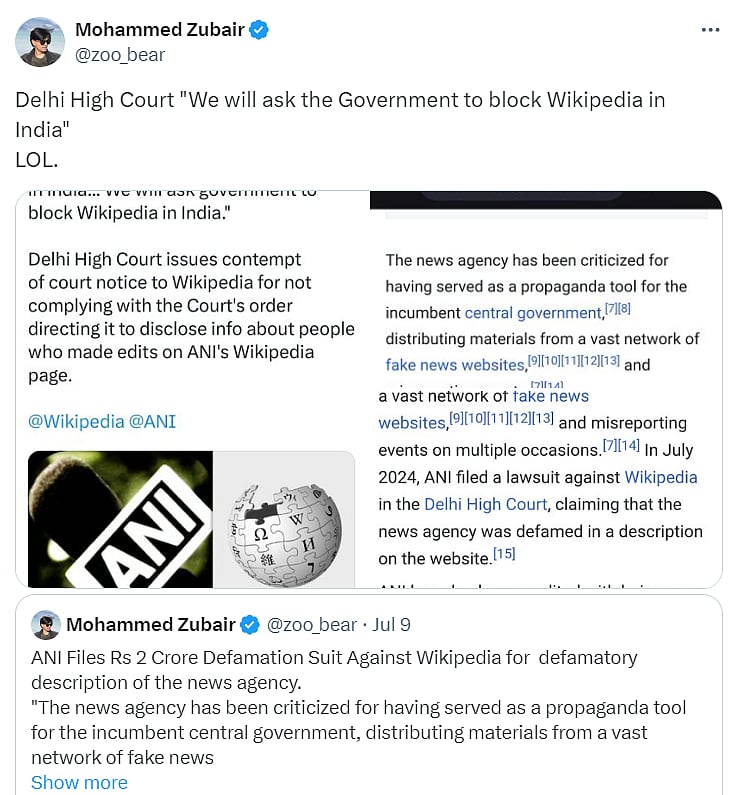
This week, Delhi High Court issued a contempt of court notice on everyone’s favourite (non-attributable) source, Wikipedia. The court also said they would ask the government to block Wikipedia in India as they did not comply with a court order to disclose who had made edits to ‘Asia’s premier news agency’ ANI’s Wikipedia page. The entry in question noted that ANI had been citicised for being used as a propaganda tool of the Indian government, and had been known to spread misinformation (something which has already been extensively reported on in Indian media). Netizens responded with humour, with some rhetorically asking if a return to encyclopaedias was on the cards. Meanwhile, the Wikimedia Fouindation in an official statement said they would take all measures necessary to protect their community members while ensuring uninterrupted access to Wikipedia and other related projects in India.
Got a meme or satirical post you'd like to share? Send it to us here.
From the archive
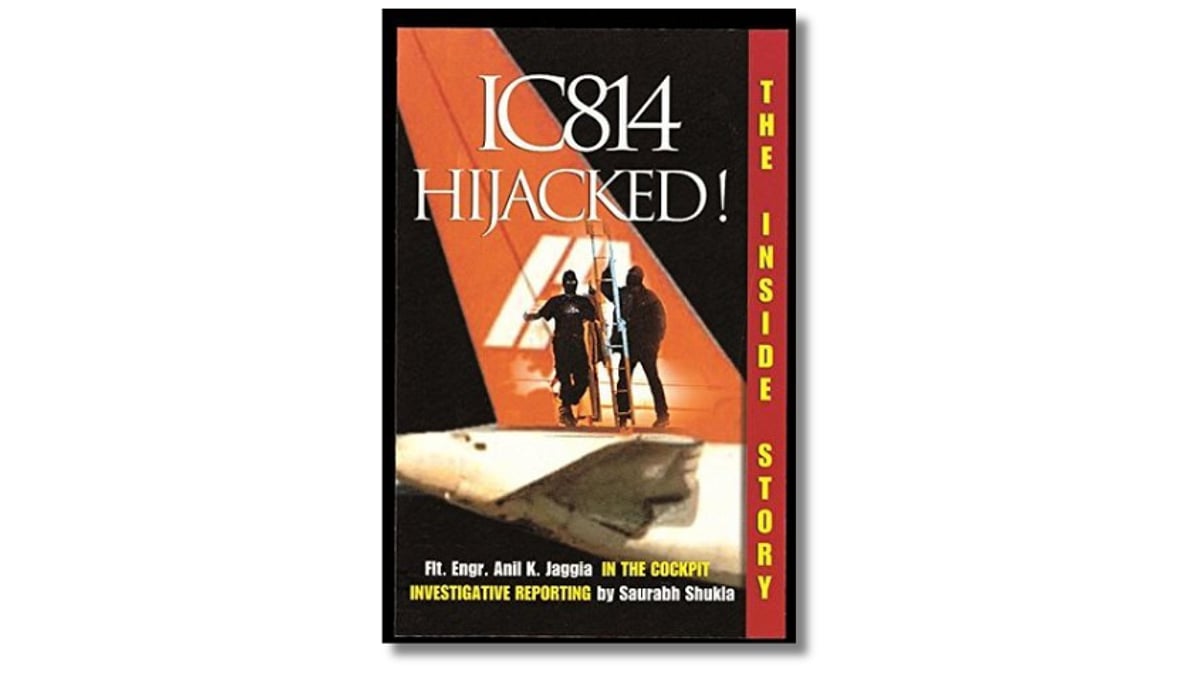
A survivor's story as instant history (May 2000)
A Netflix series revisiting the 1999 hijacking of an Indian passenger plane (and some social media-fuelled controversy around the portrayal of some of the characters) has revived discussion about flight IC 814. In light of this, C K Lal’s piece is worth revisiting. Lal reviews IC 814 Hijacked! He writes that the book is written for the television age in Southasia, capturing the immediate drama of the hijacking but failing to unpack the hijacker’s motivations and indeed, the wider ramifications of the event.