
(This article is a part of the web-exclusive series from our latest issue 'The Bangladesh Paradox'. More from the print quarterly here.)
Growing up in West Bengal, I had primarily two images of the People's Republic of Bangladesh – first, as the home that the maternal side of my family had to flee to save their life; and second, as the site of the great liberation struggle of 1971. Many Bengalis in West Bengal felt a deep resonance with the Liberation War.
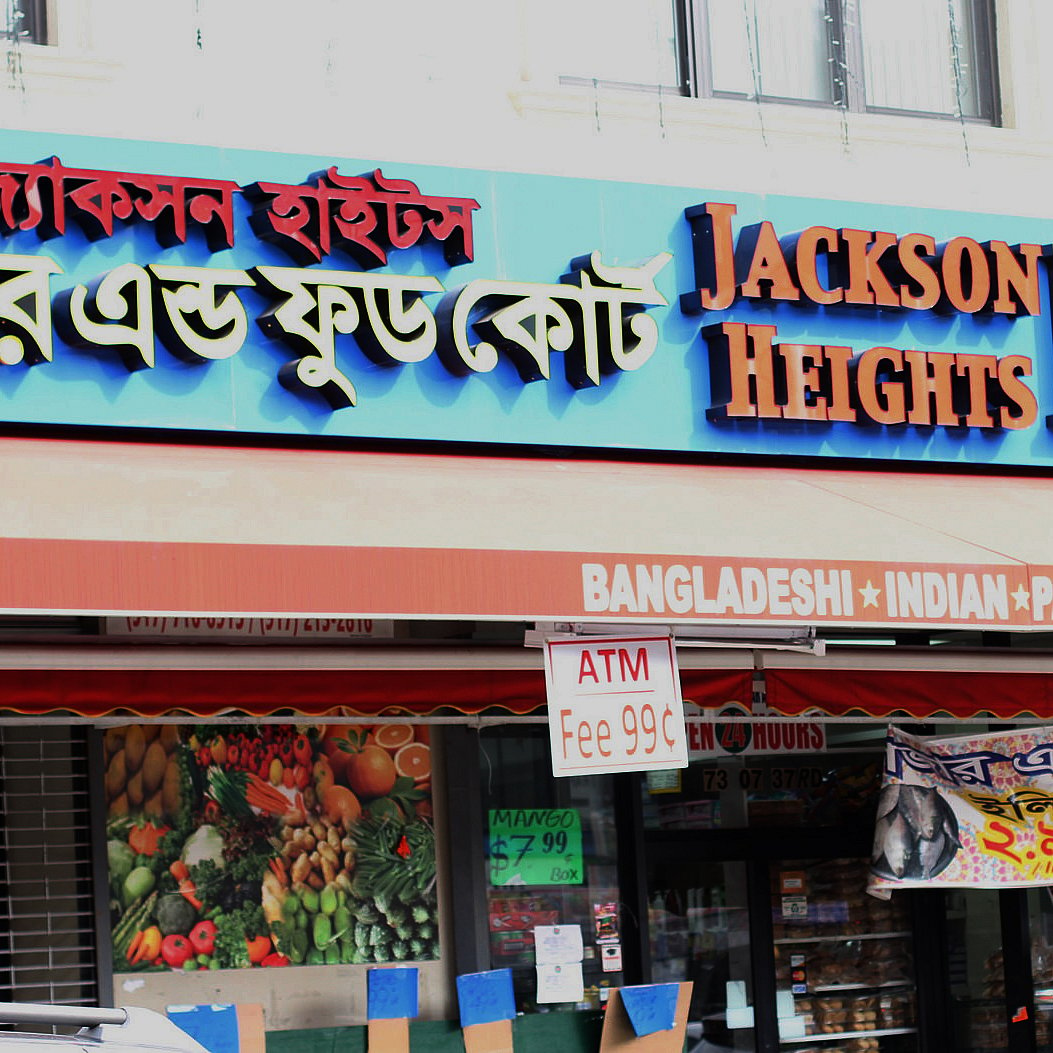
As time went on, especially in the post-1990 period, these images began to fade from the public imagination and was slowly replaced by the image of the 'illegal' Bangladeshi, who is always sneaking in to take away menial jobs from West Bengal, threatening to change the demographic reality of border districts, and posing the danger of turning the state into a Muslim-majority province. Given this state of affairs, my first real sustained exposures to people from the East happened during my eight-year-long stay outside the Indian Union, primarily in the US but also in several European and West Asian countries.
In the Partition of 1947, Bengal was divided along the Radcliffe Line into East Bengal (part of Pakistan) and West Bengal (part of India). What followed was an unprecedented scale of migration of Hindus from East to West and Muslims from West to East, with the Hindu refugees far outnumbering Muslim refugees. The East to West migration continues to this day and has been termed the 'Long Partition'. My mother's side of the family is from Barisal, East Bengal. Although they were Partition refugees, they had enough socioeconomic capital to avoid the inhumane conditions of refugee camps and colonies. The Partition generation hardly exists in West Bengal anymore – both in term of being a living presence or having an identifiable cultural imprint. Later generations, especially in the big urban centres, have 'assimilated' at the cost of their original languages, religious-cultural practices and identity. Hence, growing up, my interactions with 'Bangaals' – a term used to refer to people from East Bengal, especially those from western East Bengal – did not give me much of an idea about the place and its people. My years in the US provided my first exposure to the greater part of my people. This is about that exposure, what I saw and how I compared 'them' with 'us'.