
On 8 July, political activist Pritam Das shared a Saadat Hasan Manto quote on his Facebook profile. Much later, Bangladesh Chhatra League (BCL) groups who were resentful of his political activism and bold statements used this statement to create communal unrest in the Srimangal region, especially targeting Das' religious identity and forcing him into hiding. The situation was de-escalated through Das' political organisation Rashtra Sanskar Andolon (RSA), and local religious and social leaders.
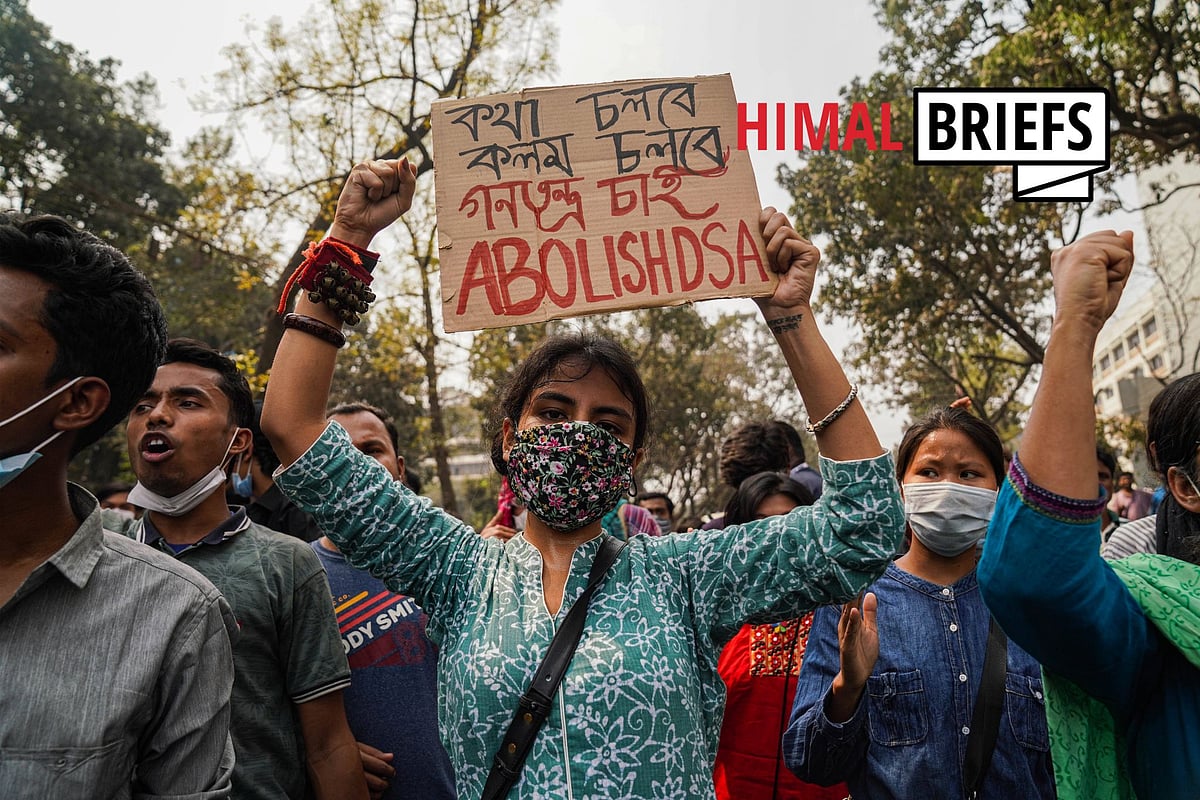
However, the police later arrested Pritam Das for allegedly hurting religious sentiments under the Digital Security Act (DSA). In the past, the police have arrested hundreds of men, women, and children under the draconian Digital Security Act. In many cases, these arrests were made for Facebook posts on the grounds of allegedly hurting religious sentiments or critiquing the government. Das had done both.
Many of Pritam Das' posts that are mentioned in the First Information Report fit the BCL narrative. For example, on 16 July, he wrote that communal violence in Narail would not be possible without the backing of the state. On 17 July, he shared a statement from his organisation which was titled "The Government is Deliberately Inactive in Protecting the Life and Livelihood of Hindus." On 6 August, he posted a status update that said reform of the state and the fall of the ruling regime were paramount. He was targeted not only because of his religious identity but also because of his political opposition.
Silencing detractors