Yesterday, Bangladesh held its first election since the July 2024 Revolution that unseated the Awami League government. As I refreshed the news, updates started rolling in that the Bangladesh Nationalist Party was leading. This wasn’t a surprise - earlier in the week, Zyma Islam of the Daily Star and Nusmila Lohani of Netra News had predicted the same in conversation with Himal. At the same time, Bangladesh’s political stability is far from assured, given the ascendance of right-leaning conservative groups like Jamaat-e-Islami and others. The real questions begin now, as a new government works to meet the aspirations of Bangladesh’s citizens. To read more about Bangladesh’s stormy transition after Hasina, check out our series on Himal (with more to come!) Our editorial team worked day and night to put this series together to give you an inside-view on this crucial election, and we couldn’t have done it without your support. So if you’ve valued our coverage, please sign up to our Patrons programme and support our work.
To contribute more, visit himalmag.com/support-himal.
This week in Himal
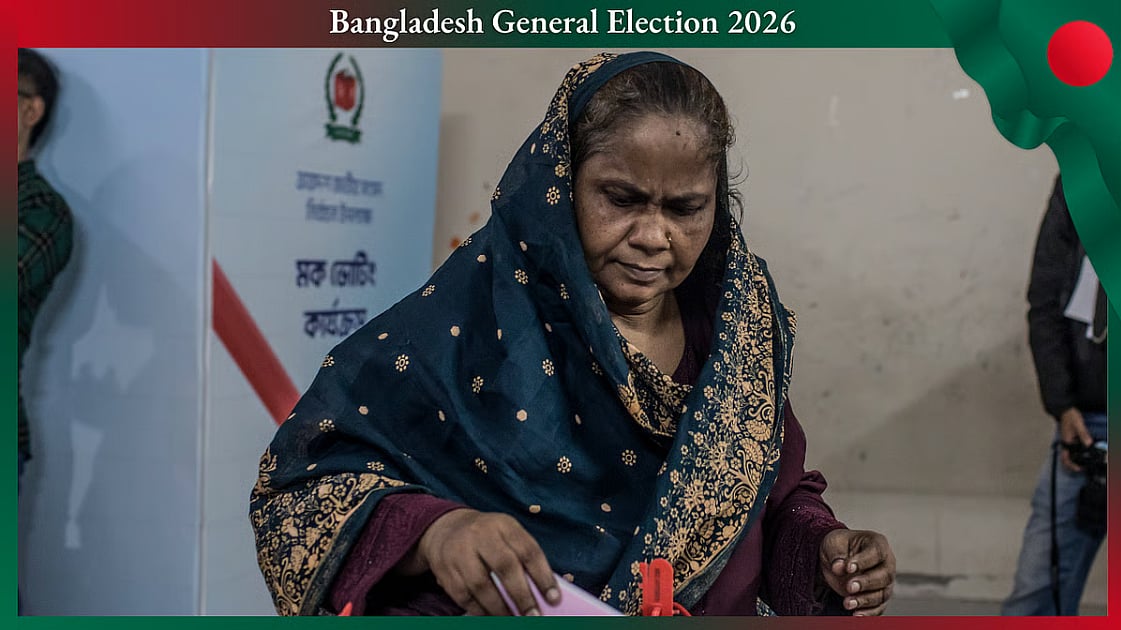
Navine Murshid writes that even as the results of Bangladesh’s 12 February election trickle in, women have lost in Bangladesh, with familiar right-wing forces like Jamaat-e-Islami becoming contenders, despite many of the protest leaders being women.
Also read: The rebranding of Islamist politics in Bangladesh
Also read: Bangladesh’s drift to the right before its historic election
Also read: The Rohingya are perennial pawns in Bangladesh’s politics
Also read: Podcast: The high stakes of the 2026 Bangladesh election
This week in Southasia
A Decisive Mandate for the BNP
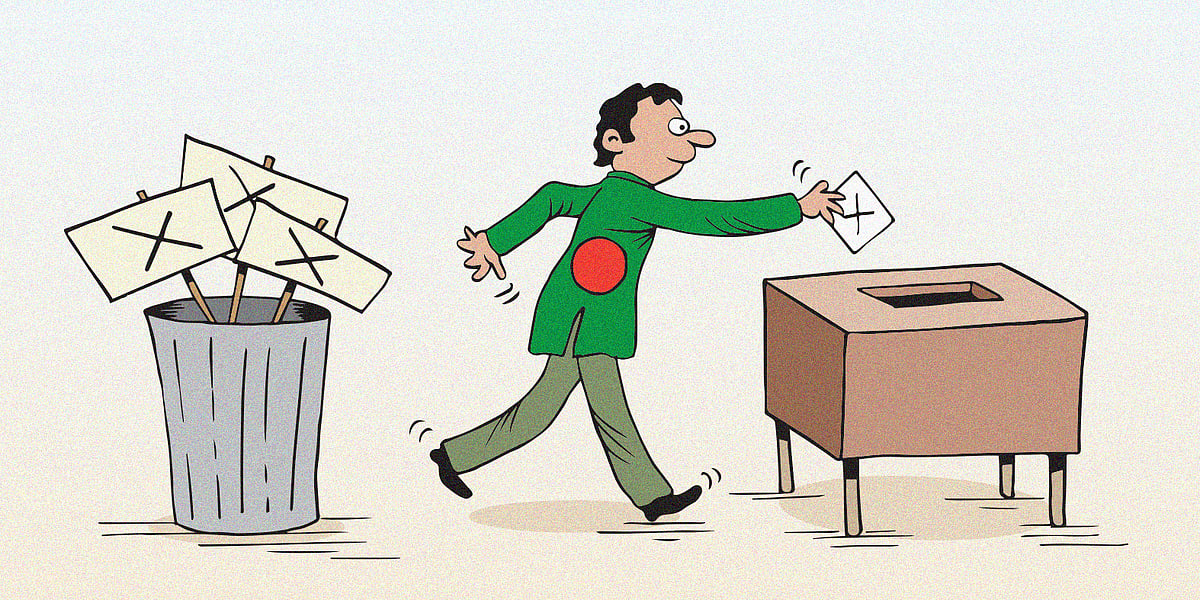
On 13 February, the Bangladesh Nationalist Party (BNP) claimed a decisive victory in the country’s first general election since the July 2024 uprising. Results as at 4 pm indicate the BNP has won 209 seats in the Jatiya Sangsad, a decisive mandate. A majority voted “Yes” in a simultaneous referendum to implement the July Charter, a complex set of constitutional reforms. This pivotal vote saw a historic turnout of first-time young voters whose political mobilisation against the deposed Awami League shifted the nation’s political gravity.
Bangladesh’s trajectory now hinges on Tarique Rahman, who spent years in self-imposed exile in London before his dramatic return last December before his mother, BNP leader Khaleda Zia passed away. More recently he has committed to inclusive clean governance, seeking a break from the kleptocratic associations of his past (Rahman has dismissed past convictions on corruption as politically motivated). In a recent conversation with Himal, Daily Star’s Zyma Islam said the publication’s research on social media discourse showed Awami League social media users attacked those associated with the right-wing Islamist group Jamaat-e-Islami, while those linked with Jamaat attacked the BNP, revealing who they considered political opponents. The BNP was swift to cut ties with former coalition partner Jamaat in order to reposition themselves as a “secular” alternative – one which proved appealing to voters.
Rahman has said he will prioritise a “Bangladesh First” foreign policy. India’s prime minister was quick to extend an olive branch, with a positive response from the BNP. But Hasina’s continued presence in Delhi remains a point of tension, leaving the possibility that Rahman might attempt to continue rebuilding fraught relations with Pakistan.
Elsewhere in Southasia:
- US reduces tariffs on Bangladesh to 19 percent but commits to billions of dollars in defense investment, alignment with US global trade interests including limiting trade with Russia and China
- Indian court sentences journalist Ravi Nair to one year in prison for ‘defamatory’ social media posts on Adani group, Nair says his posts constitute fair use and criticism
- Pakistan cricket team terminates T-20 boycott, agrees to play India in Sri Lanka after International Cricket Council intervention
- India updates online regulatory policy, mandates three hour deadline for social media companies to remove “unlawful” content
- At least 32 die, 160 injured in explosion at Shia mosque in Islamabad, Pakistan on 6 February; Pakistan arrests four
- Police kill Tamil teenager, arrest two others after opening fire at van passing through checkpoint in Jaffna, Sri Lanka
- US appeals court permits termination of temporary protected status (TPS) for Nepali nationals, forces displaced Afghans in Qatar camps to repatriate
- Meta, YouTube and X block access to parody animation of India’s prime minister Narendra Modi in connection with revelations from a retired general’s unpublished memoir on 2020 standoff with China
- Maldivian coast guard deployed in disputed southern waters after President Mohamed Muizzu rejects boundary drawn by international tribunal in 2023, contesting parallel claim by Mauritius
- India’s Union government mandates performance of national song “Vande Mataram” before national anthem at government and civil events, requires standing during both songs
Revisit the below archival stories from Himal adding more context to this week's news updates from Bangladesh, Pakistan and India
Also read: A new frontier in Bangladesh-Pakistan relations after Sheikh Hasina – Southasia Weekly #49
Also read: Brutal Parachinar attack exposes deepening hatred against Shia Muslims in Khyber Pakhtunkhwah
Also read: Between big data and big brother
Snap Southasia
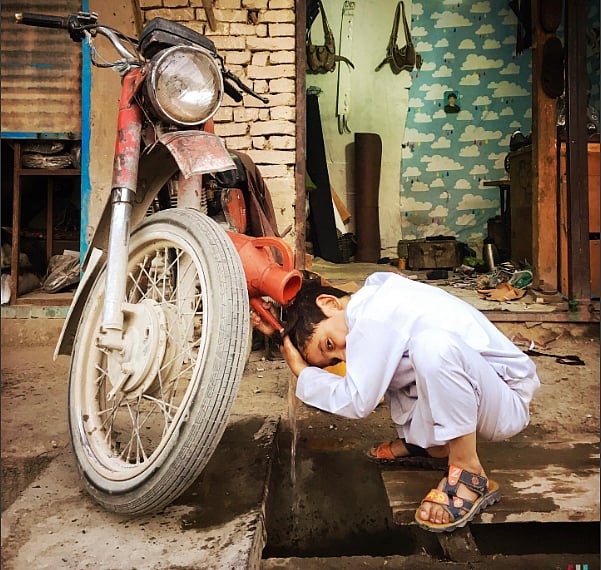
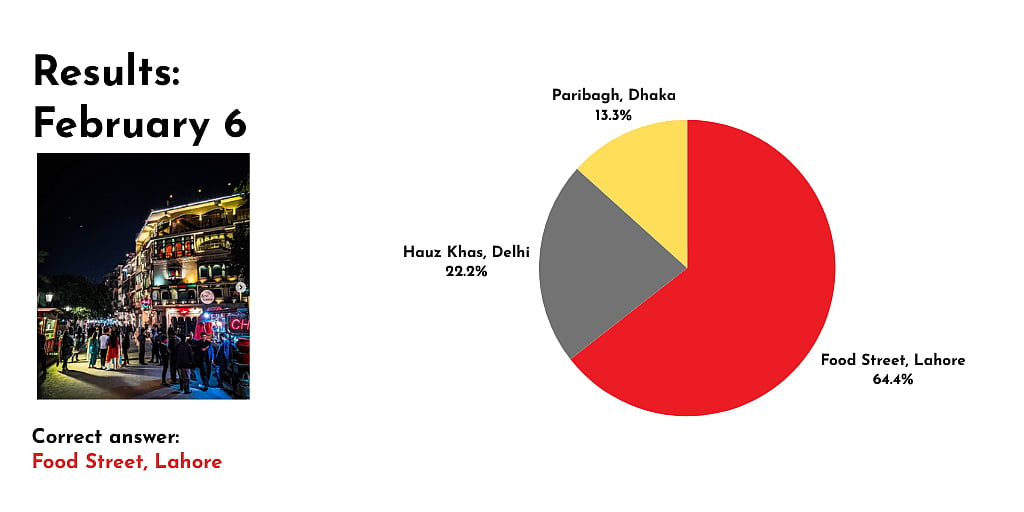
Where in Southasia is this image from? Click on your guess below (and check in next week to see if you guessed right!)