
Happy new year to all our readers! As we ring in 2026, I’m writing with some great news. Forty-five of you have joined our ‘100 for Himal’ campaign and become Patrons! We’re glad you’ve joined the community. And we have even better news - with just five more Patrons, a generous supporter (who has asked to remain unnamed) has stepped forward to fund 50 more, helping us to reach 100!
This will be a huge boost to our work, helping power even more stories that matter. So in case you haven’t yet, now is the time to sign up and support us. If you do, you’ll also be eligible for our special discount: our USD 99 annual membership is available for only USD 75 a year – and you’ll get a copy of our iconic Right-Side-Up map!
To contribute more, visit himalmag.com/support-himal.
This week in Himal

Bingun Menaka Gamage writes about the 2007 assault on the news director of the state-owned Sri Lanka Rupavahini Corporation by a former labour minister, which remains a blot on Sri Lanka’s media freedom during and after Mahinda Rajapaksa’s regime. This story is a collaboration with Sri Lanka’s Free Media Movement, in a series for Black January, which commemorates crimes against Sri Lanka's journalists.
Also read: Himal Interviews: The deprivations of Indian Muslims
This week in Southasia
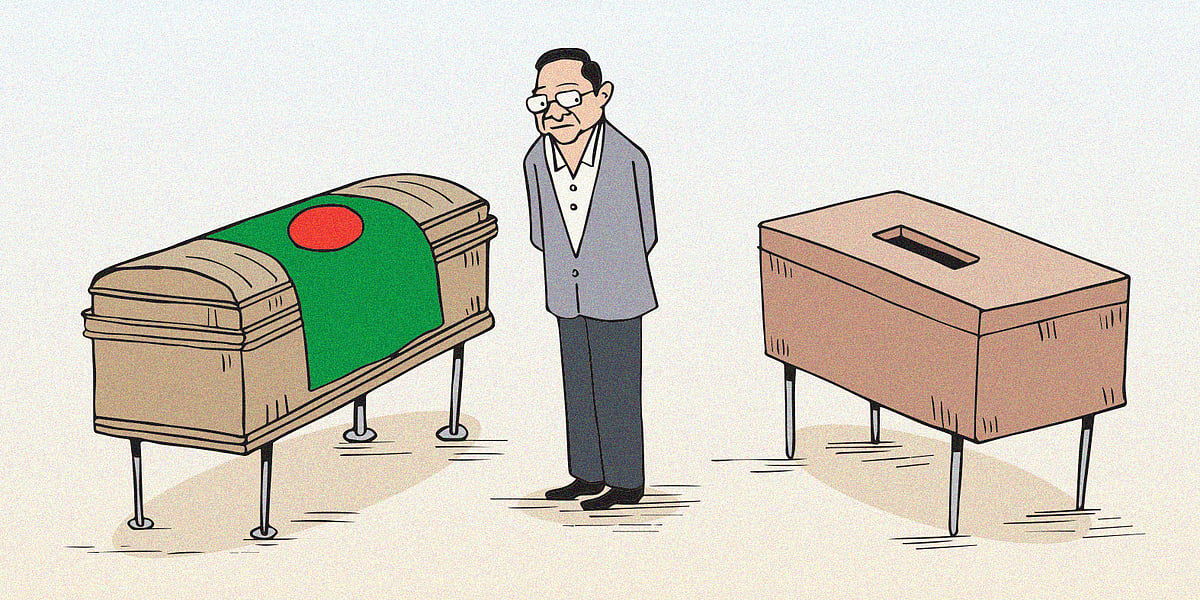
Seismic drama in Bangladesh politics after Khaleda Zia’s death
On 31 December, hundreds of thousands of people travelled to Dhaka to pay their respects and join the state funeral in remembrance of Bangladesh’s former prime minister, Khaleda Zia, who passed away after prolonged illness. Zia entered politics after her husband’s assassination, leading frequent street protests and election boycotts. While she rose to become Bangladesh’s first female prime minister and head of the Bangladesh Nationalist Party, she also faced allegations of corruption during her rule.
Despite her illness, many of her supporters said they had hoped she would be able to participate in Bangladesh’s upcoming election, set for February 2026, after the 2024 student-led uprising led to the fall of the Awami League government. The mantle of BNP leadership will likely pass to Zia’s son, Tarique, who returned to Bangladesh shortly before her passing.
Until very recently, the BNP was handily the favourite to win the election and lead the next government. But on 28 December, the Islamist Jamaat-e-Islami announced an alliance with the National Citizen’s Party, formed and led by the student leaders of the 2024 uprising. The announcement has led to a rift within the NCP, with several key members resigning, amid reports that some of them may align with the BNP or run independently. The new alliance will be a contender due to Jamaat-e-Islami’s electoral strength, with pre-election polls showing the Jamaat neck-and-neck with BNP. Deeper concerns persist due to Jamaat’s conservatism and aims to build an Islamic welfare state. This fresh development means all bets are off on the election outcome in February.
Elsewhere in Southasia:
- Flooding in Afghanistan leaves at least 17 dead and impacts 1800 families, UN launches USD 1.7 billion appeal to address ‘urgent’ humanitarian crisis in 2026
- Myanmar’s pro military Union Solidarity and Development Party claims huge lead in first phase of first election since 2021 military coup, low turnout and voter intimidation reported
- Pakistan summons UK high commissioner after video circulates of woman threatening Chief Army Officer Asim Munir at rally supporting opposition leader Imran Khan in north England
- Nepali Congress party suspends general convention due to leadership crisis mandated by Gen Z movement; party chief vows to boycott
- Indian court suspends order for former BJP politician, currently imprisoned for rape of a minor, to be granted conditional bail from life sentence after public backlash regarding lawmaker accountability
- Sri Lankan lawyer files petition accusing government of failing to adequately prepare and distribute warnings about Cyclone Ditwah as state of emergency extended
- Zohran Mamdani sworn in as NYC mayor, becoming first Muslim and Indian-American to serve in the role
- Indian foreign minister and Pakistan National Assembly speaker shake hands at ex-Bangladeshi prime minister’s funeral in Dhaka, marking highest-level diplomatic contact since Pahalgam attacks
- Sri Lanka health minister seeks LKR 1 billion in damages from YouTube content creator claiming false content about importation of controversial Indian pharmaceutical drug
Revisit the below archival stories from Himal adding more context to this week's news updates from Pakistan, Myanmar and Bangladesh
Also read: To deal with Imran Khan, Pakistan descends into autocracy
Also read: A ‘fierce’ fear
Also read: Nepal, Bangladesh and Sri Lanka uprisings: Why and what next?
Snap Southasia
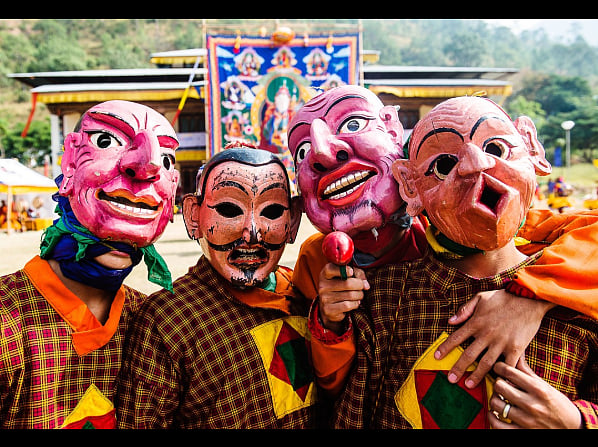
Where in Southasia is this image from? Click on your guess below (and check in next week to see if you guessed right!)
Gangtok, India
Lhuentse, Bhutan
Dolpo, Nepal