
This week in Himal
Bangladesh’s relationship with Pakistan has long been fraught. Cyrus Naji writes that a tentative new frontier has opened up between the two countries after the fall of Sheikh Hasina’s regime – despite animosity in the aftermath of the Bangladesh Liberation War.
For our next Podcast of the Week, host of the Southasia Review of Books podcast Shwetha Srikanthan interviews Nepali author Weena Pun about her debut novel Kanchhi, an exploration of navigating girlhood amidst the political and social tremors stirring rural Nepal at the turn of the millennium.
Also read: Susan Banki on the battles of Nepali-Bhutanese refugees: State of Southasia #16
Also read: A fraught new frontier in Bangladesh–Pakistan relations
This week in Southasia
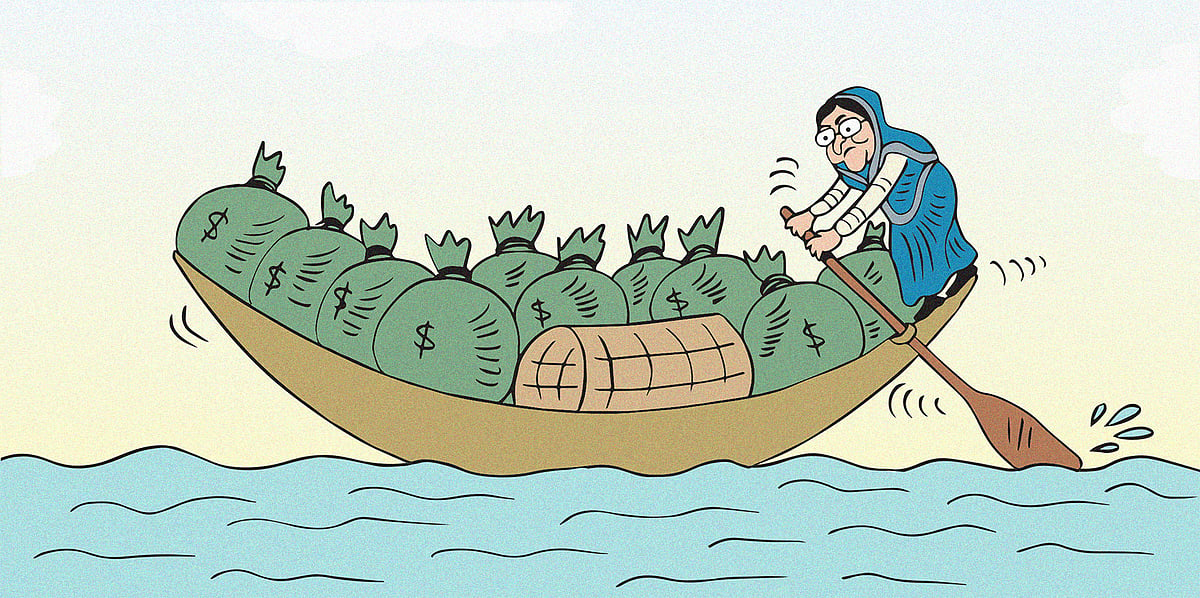
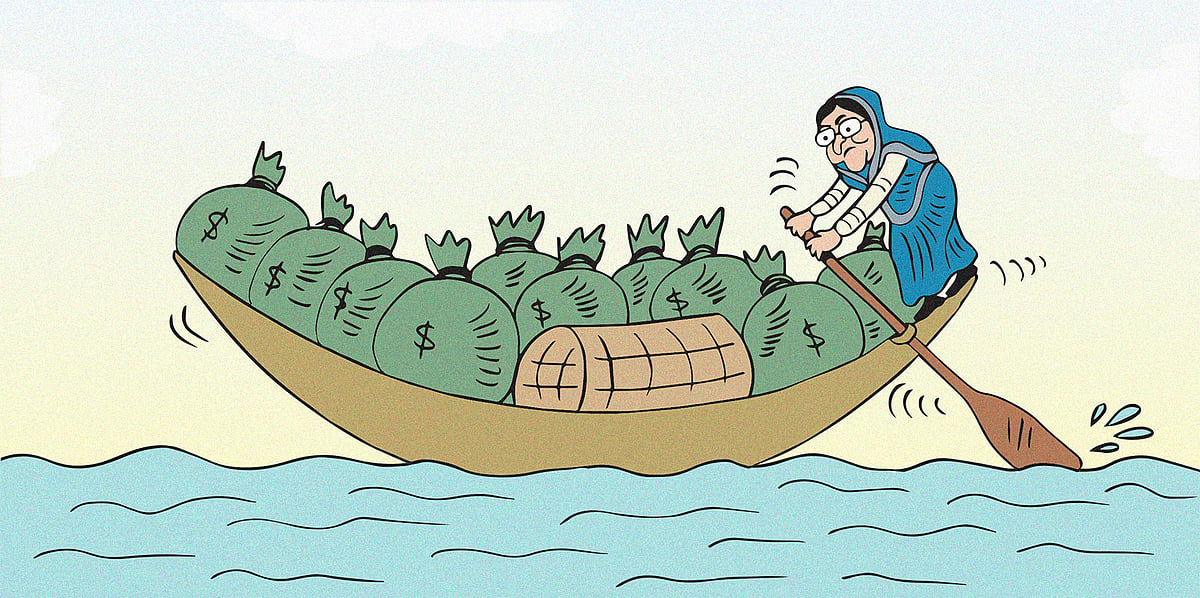
UK Treasury Minister’s resignation prompts scrutiny into corruption investigations in Bangladesh
UK Economic Secretary to the Treasury Minister Tulip Siddiq resigned this week amidst mounting pressure due to an anti-corruption investigation in Bangladesh. Siddiq referred herself to an ethics watchdog after claims her family embezzled up to GBP 3.9 billion (USD 4.7 billion) from infrastructure spending in Bangladesh, and reports that Siddiq had lived in multiple properties linked to her aunt Sheikh Hasina. An advisor to UK Prime Minister Keir Starmer said they found no evidence of ‘improprieties’.
The revelations around Tulip Siddiq have brought fresh scrutiny into corruption investigations in Bangladesh. Last week, an investigative report on property ownership in Dubai found 929 properties registered in the name of 461 Bangladeshis, revealing the popularity of Dubai as an offshore haven. The owners included politicians, businessmen and policymakers linked to both the Awami League and the Bangladesh Nationalist Party, many of whom are currently facing or have faced charges of corruption or financial misconduct. While the property records are not evidence of money-laundering or tax evasion, they do raise questions about Bangladesh’s political parties and businessmen – particularly relevant as Bangladesh’s Supreme Court acquitted ex Prime Minister Khaleda Zia in the last corruption case against her, paving the way for Zia to contest elections which the interim government says will be held in December or the first half of 2026.
Elsewhere in Southasia
- Sri Lanka’s journalist associations raise concerns about agreements with Chinese media institutions during president Anura Kumara Dissanayake’s state visit to China on invitation from Chinese president Xi Jinping, with 15 memorandums of understanding signed related to the economy, education and media. The visit comes after a month Dissanayake made his first official visit to India.
- Newly examined video footage by the non-profit International Truth and Justice Project shows that Bangladesh police deliberately targeted peaceful civilians, killing or injuring at least 20 unarmed protesters on the day Sheikh Hasina resigned as prime minister last August
- India’s foreign secretary Vikram Misri met with the Taliban’s foreign minister Amir Khan Muttaqi in Dubai, the highest level diplomatic talks between the Taliban regime and New Delhi since the group took over Kabul in 2021, signaling a geopolitical shift in the region
- Police have arrested 28 people so far after an 18-year-old Dalit woman from Kerala accused 64 men of sexually abusing her since she was 13 years old
- Bangladesh's Ministry of Foreign Affairs summons Indian High Commissioner Pranay Verma following allegations that India was constructing fences at five locations along the India-Bangladesh border, actions in violation of a bilateral agreement
- Nepal’s top court strikes down law to allow infrastructure development, such as for hotels and power plants, in protected areas like national parks
- The Arakan Army seizes a police station in the Ayeyarwaddy region, the first in central Myanmar, moving beyond its traditional territory of the western Rakhine state
- The Maldivian Democratic Party requests the Anti-Corruption Commission and Prosecutor General’s officer to investigate the allegations of the ruling People’s National Congress of forging membership forms to inflate the party’s size
- Ethnic Ta’ang rebels based in the northeastern state of Shan reiterate their vow to crush Myanmar’s ruling junta, but says that ceasefire offer from November following pressure from China remains on the table
- Maldives Monetary Authority publishes new regulations under the Foreign Currency Act, requiring businesses that have earned more than USD 15 million in 2024 to register with the MMA for mandatory foreign currency exchange
Only in Southasia!
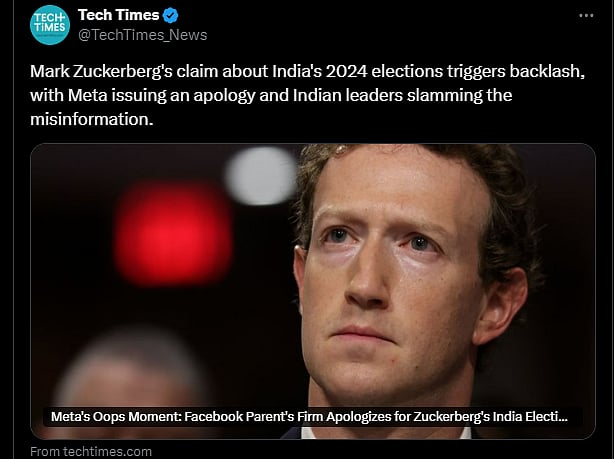
This week, Meta apologised. No, really. The apology came from Meta’s vice president of public policy, after a throwaway comment from Mark Zuckerberg to which the BJP took offence. In an appearance on the (unintentional) comedian Joe Rogan's podcast , Zuckerberg said that several incumbent governments - including India - lost elections after the COVID-19 pandemic. What was a careless slip up upset the BJP so much that MP Nishikant Dubey threatened to summon a Meta representative to a Parliamentary panel. On the positive side, maybe Zuckerberg will receive a valuable reminder on why fact-checking is important even as he dismantles it on the platform.
From the archive
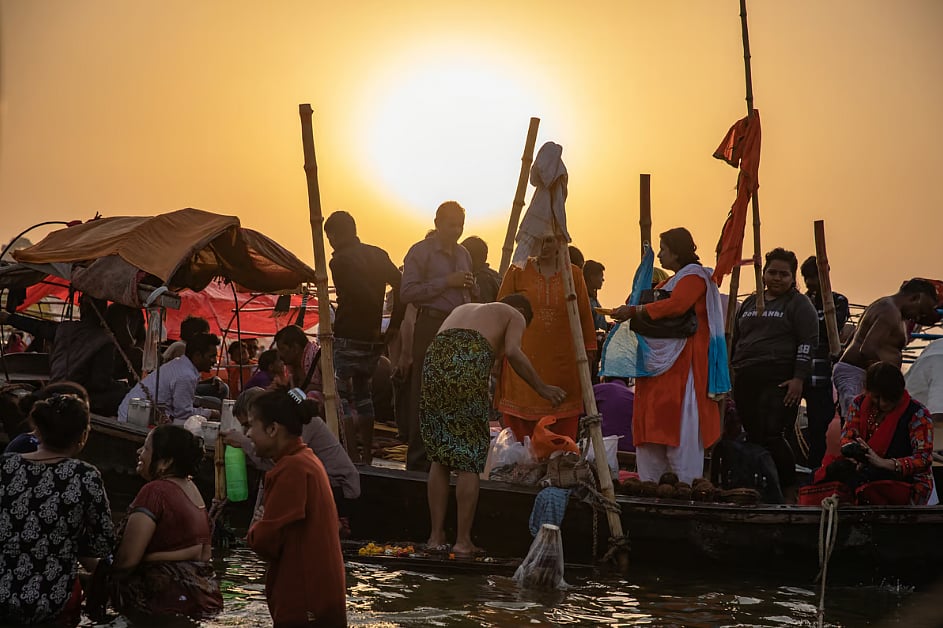
“Slicing India”: New perspectives on India since 1947 (June 2002)
As Kumbh Mela begins, Robin Jeffrey’s article, part of a series on a history of modern India through the lens of the Hindu pilgrimage, is worth re-reading. Jeffrey revisits the Kumbh Mela of 1954, meant to be a celebration of the new India, which instead became a day of death, provoking questions on democracy, modernity and tradition, and how these characteristics might blend into a new India emerging in the wake of Partition. He also traces the rise of a new political elite and their role in forming the nation-state of India.