
This week in Himal
There’s just one day left for you to sign up as a paying supporter as part of our 38 Patrons for 38 Years campaign! We’ve hit our initial target, and now we’d like to get well over 60 supporters before the month is out. So this is your last chance to join our Patron programme and receive Himal’s Right Side-Up Map as a special thank you.
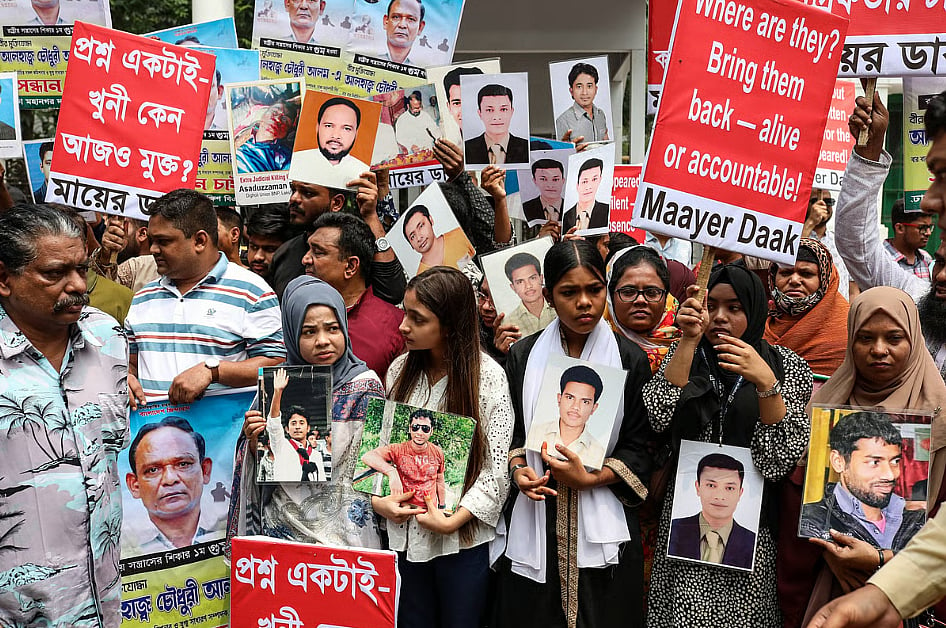
This week, Cyrus Naji writes that Bangladesh’s interim government risks continuing the abuses of the Sheikh Hasina regime in its efforts at transitional justice.
Don’t miss Jamaima Afridi’s article on Pakistan’s targeting of Baloch women leaders leading protests against disappearances and calling for equal participation in the Baloch struggle as part of a widening crackdown.
For the next episode of the Southasia Review of Books podcast, host Shwetha Srikanthan speaks with fiction writer and translator Aruni Kashyap on his short story collection, “The Way You Want to Be Loved” which tells stories of queer love and desire amidst state-sanctioned violence in India’s Northeast.
Also read: Pakistan targets Baloch women leaders amid widening crackdown
Also read: Vidya Krishnan on how India's politics magnified its Covid-19 death toll: State of Southasia #24
Also read: Bangladesh’s flawed attempt at transitional justice after Sheikh Hasina
This week in Southasia
India's brutal crackdown on Maoists
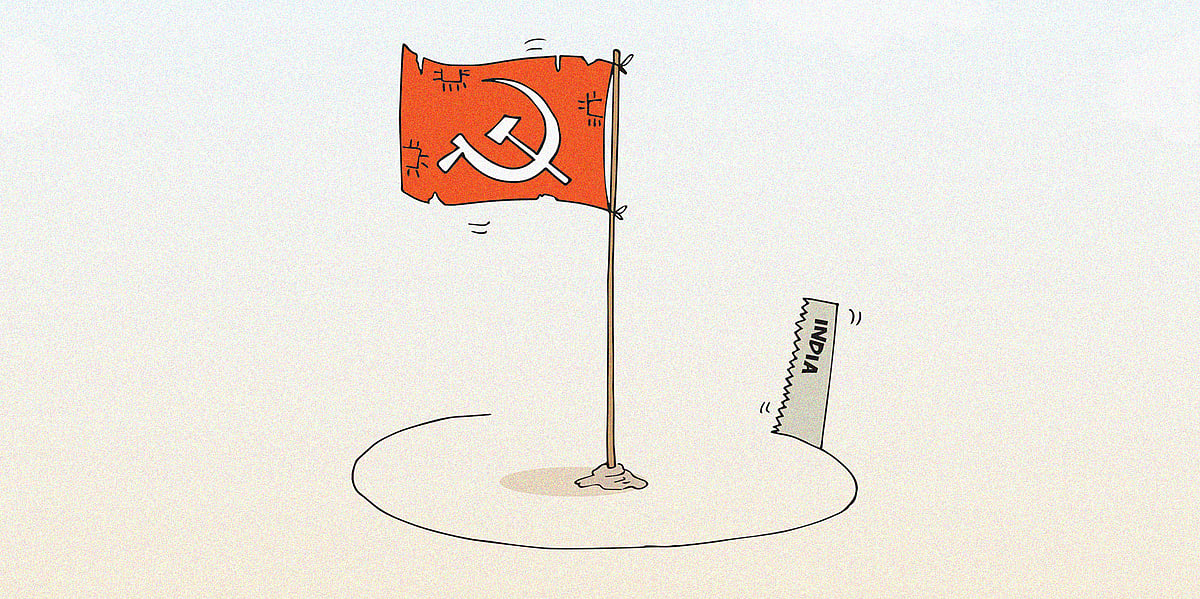
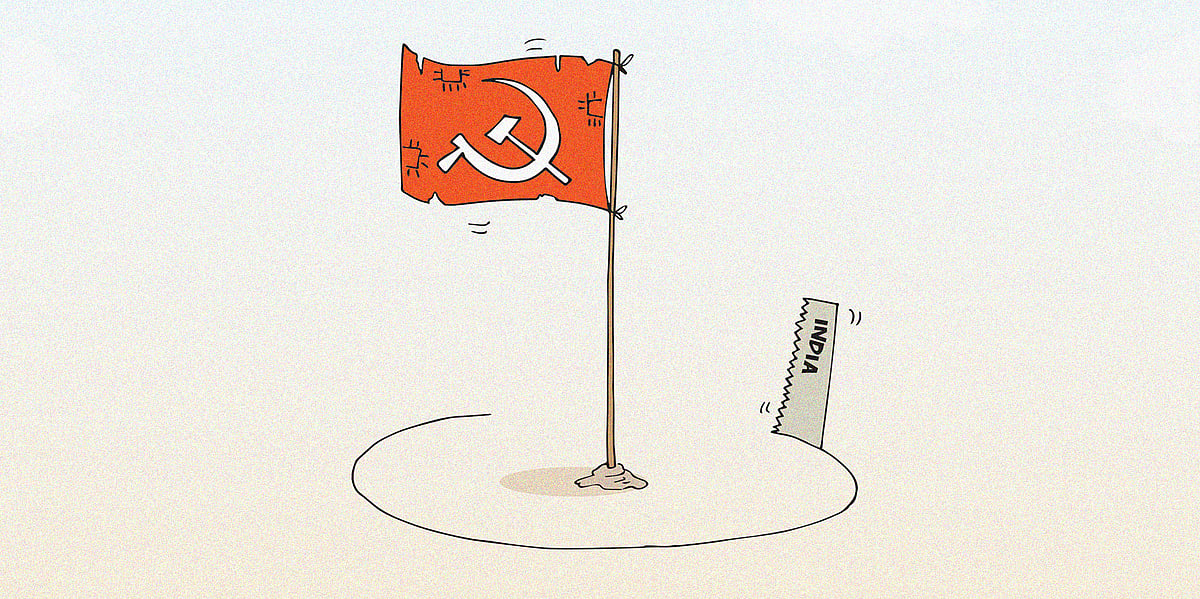
In a significant escalation of India's long-standing conflict with Maoists, a fierce gunfight on 28 May led to the killing of Communist Party of India (Maoist) general secretary Nambala Keshav Rao, alias Basavaraju along with 24 others, reportedly members of Basavaraju’s personal protection detail. The deaths underscores the Indian government's "warzone" approach to eradicating the decades-old insurgency.
The Maoist movement was officially formed in 1969, adopting its current name in 2004 with the merger of key Marxist-Leninist groups into the CPI (Maoist). Critics argue that India’s brutal crackdown disproportionately affects Adivasis caught between the state and the Maoists. More than 11,000 civilians and security forces have been killed in clashes involving Maoist fighters between 2000 and 2024, according to official figures. Security forces have killed at least 6,160 Maoist fighters during the same period, according to police and Maoist figures. The emphasis on eliminating Maoist cadres, rather than addressing the root causes of the insurgency – land displacement, poverty, and lack of development – perpetuates a cycle of violence. And the impact of these operations on local populations has been devastating, with civilians facing displacement, intimidation, and the constant threat of violence. Even as India escalates its brutal crackdown, the Maoists are also seeing waning support, with supporters saying they remain unable to build a cohesive political force and are unable to adapt to changing times.
From 2010, C K Lal writes that the Indian media is treating the conflict between Maoists and militarists as if it were a contest for market share between two competing cola brands. The Adivasis who die in armed encounters and the police officers who lose their lives during ambushes evoke little sympathy.
From the archive (May 2010)
Also read: Naxalites, narcissists and nihilism
Elsewhere in Southasia
- A Liberian cargo ship, MSC ELSA 3, sank off the coast of Kochi, Kerala, on 24 May, leading to an oil spill. The vessel contained significant amounts of diesel and furnace oil, along with hazardous cargo, raising environmental concerns.
- Pakistan’s president Asif Ali Zardari signs bill to curb child marriage into law
- Bangladesh recalls their ambassador in Yangon in response to the expulsion of their military attache by the junta regime over Bangladesh maintaining contact with the anti-junta armed group Arakan Army, which currently controls the border with Bangladesh
- Four Muslim men stripped and brutally assaulted by a Hindutva mob in Aligarh, Uttar Pradesh, on 24 May, over suspicion of carrying beef, in the second such incident in a week amidst claims of extortion.
- Heavy rains reported across Bangladesh, Sri Lanka and India due to depression in the Bay of Bengal
- Afghan deportees report torture, theft at the hands of Pakistani officials; 49,856 migrants and 3650 prisoners deported to Pakistan since April
- Maldives police request to speak to young woman who fell from apartment after key suspect released from custody and accuse the family of not cooperating with the investigation, family says she is not yet fit to speak with police
- Tens of thousands of protesters demand the abolished monarchy be restored and the former king be made the head of state in Nepal on 29 May, yards away from supporters of Nepal’s prime minister K P Sharma Oli who had gathered to mark Republic Day
- Two former ministers, Mahindananda Aluthgamage and Nalin Fernando, received sentences of 20 and 25 years rigorous imprisonment by the Colombo High Court this week for misusing state resources during the 2015 election campaign
- 2025 Rapid Assessment of Bhutan’s media landscape finds journalists face restrictions in search for public information, including a culture of silence in civil service which penalises engagement with the media, self-censorship, and conflation of editorial and managerial roles
Happenings in Southasia
We're testing out a new segment (tentatively) called Happenings in Southasia, capturing interesting events across the region. Is this something you'd like more of? Let us know. Want us to feature your book launch, panel discussion or event focusing on Southasia? Send us details here.
FILM TALK: Bangalore, India - Girish Kasaravalli on Storytelling and Women in his Cinema, MAP Bengaluru Mazumdar-Shaw Auditorium, 31 May 2025, 6 PM IST (registration required)
DISCUSSION: Colombo, Sri Lanka - Sri Lankan fantasy cinema and the Malayalam community - Collective for Historical Dialogue and Memory, 31 May 2025, 3:30 PM IST (donations encouraged)
INDEPENDENT MUSIC: Karachi, Pakistan - Dulhay Mian live - Kitab Ghar Karachi - 31 May, 2025, 8 pm PKT