
LITERATURE NEEDS TO justify its existence from time to time. This is my strong belief, and for years I went in search of some proof of life in Kannada literature. I was woefully limited to translations into English because my grasp over the diglossic language was much better spoken than read. But in English, I only found a slim list of translated texts that never seemed to grow in number.
The majority of well-known Kannada translated literature today centres on dominant-caste and male voices – a disservice to the language’s long, syncretic, fought-over literary history, centred in the state of Karnataka in southern India. This lack of diversity has, in many ways, contributed to the monolithic Hindutva project that has taken hold of much of the state.
The problem wasn’t as simple as who was writing. If I judged Kannada literature by its translations, it seemed like it was unable to give name to the myriad ways of life that took place in the language.
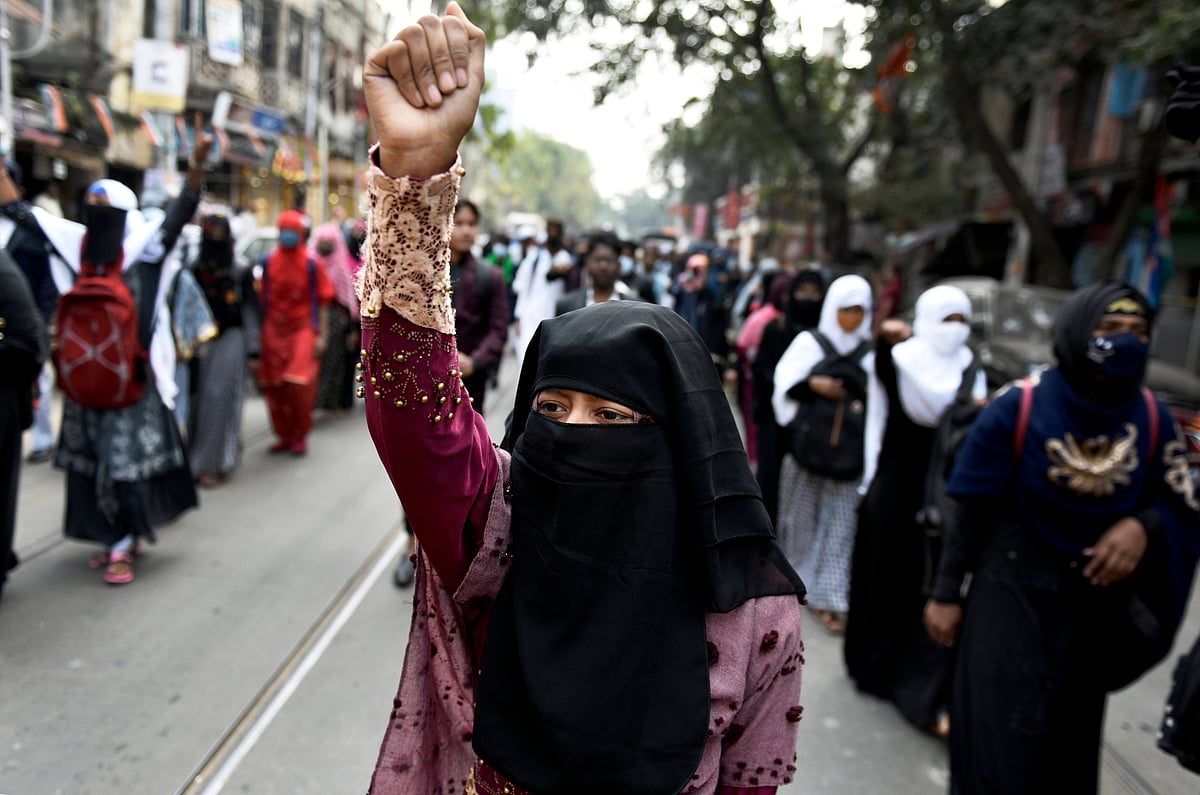
A recent translation has changed my perspective – the lawyer, activist and author Banu Mushtaq’s Heart Lamp, translated by Deepa Bhasthi. The collection of twelve stories – the first-ever original Kannada text to win the International Booker Prize, as well as the first-ever short-story collection – wrenches at the heart. Frank, intricate and powerful, the stories involve Muslim communities across Karnataka: women who live severe, isolated lives, Muslims who grapple with their faith as it is threatened by money, power and prejudice, and the class differences that chip away at their connections with each other.