
In December 2020, a two-year-old boy, Awaab Ishak, died as a result of a severe respiratory condition in Rochdale, on the outskirts of Manchester. The coroner's report found that the cause of his death was "prolonged exposure" to mould in his home. His parents, both recent migrants from Sudan, had complained about the mould to the local housing association in 2017. They were told to simply "paint over it". In response to the coroner's findings, Awaab's parents released the following statement:
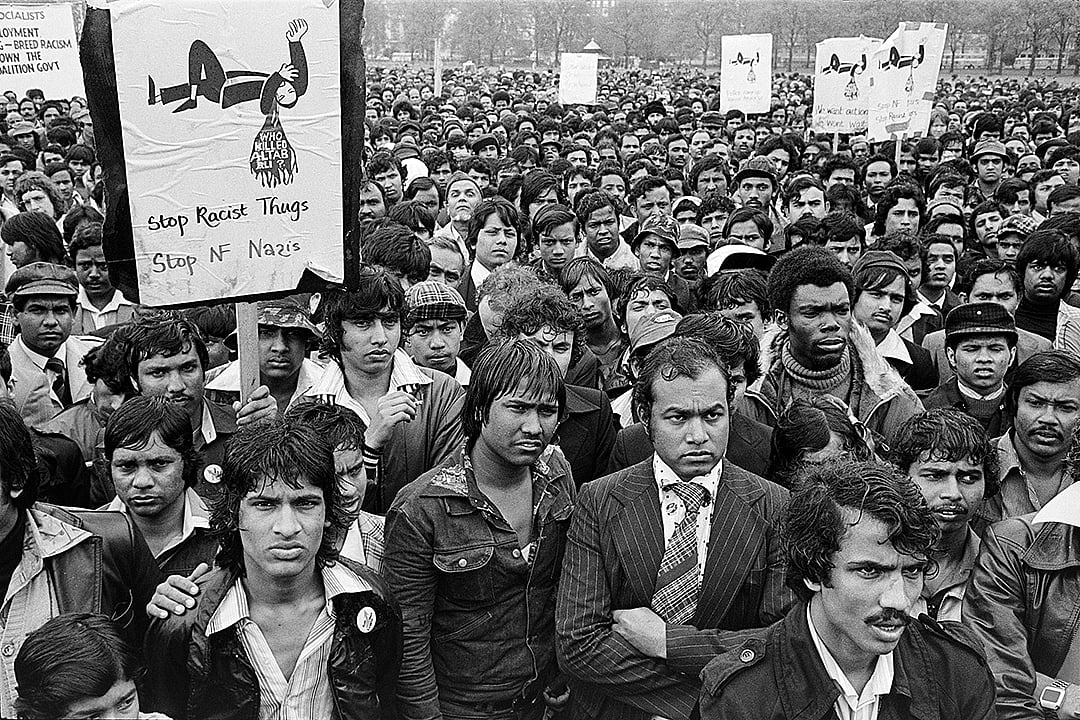
Shabna Begum's From Sylhet to Spitalfields, a devastating, extraordinary book on the lives of Bengali squatters in East London in the 1970s, is a chilling reminder of how migrants in the United Kingdom were – and continue to be – treated by local authorities and the wider state machinery. The list of examples of the UK government's inhumane treatment of migrants is endless. That being said, the recent "Rwanda plan" of diverting asylum seekers to the small African state instead of allowing them to stay in the United Kingdom, or the push to house asylum seekers in the Bibby Stockholm barge anchored off England's southern coast, are particularly pertinent symbols of government contempt for some of the world's most vulnerable people. Set within a transnational "social field", the book elegantly traverses migrants' memories of the lush and spacious Bengali baris (homesteads) they left behind and the stark realities they encountered in a dilapidated squat in London's historic East End – a hub for migrants from all over the world for centuries prior. This is a story of how Bangladeshi migrants arrived, how they settled and how they survived. It is told from the perspectives of migrants, including Begum's own parents – themselves "accidental squatters" in their early years of settlement, who went on to be exploited, humiliated and made homeless by criminal gangs and state officials, all the while caring for their two infant daughters (one of whom was a newly-born Shabna Begum).
This deeply personal story is interwoven at the outset of every chapter, and supplemented by rigorous original archival research as well as the rich oral histories of multiple generations of Bengali migrants. The book focuses on Bengalis who continue to live in, passed through, or remain otherwise connected to Spitalfields through their generational forebears. Spitalfields, a neighbourhood in the London borough of Tower Hamlets, is the "heartland" of the British Bengali community, but more than that it is a place where many battles for belonging and justice were fought and won, mostly in the shadows, undetected or ignored by the wider society. The legacy of the early Bengali settlers and their collective struggle for survival still pervades its narrow streets and darkened alleys. From Sylhet to Spitalfields immortalises it.
As a scholarly work, the book's most significant contribution is its illumination of Bengali migrants' role in London's squatters' movement, previously the voluntarist realm of bohemian counter-culturalists (mostly white and middle-class). It turns attention to the subaltern necessity of acquiring abandoned urban homes, and the pragmatic tactics used to accomplish this goal. Begum's interventions are centred on the racialised reasons for squatting, rather than treating the movement as only a radical critique of housing distribution.