
ON 6 JUNE 2018, Indian police raided the homes of numerous human-rights activists and lawyers, arresting five individuals. Among them were the activist and journalist Sudhir Dhawale, taken from his home in Mumbai; the activist Mahesh Raut, the lawyer Surendra Gadling and the academic Shoma Sen, all arrested in the town of Nagpur; and the activist Rona Wilson, picked up from his home in Delhi.
This was the first round of arrests in what would come to be known as the Bhima Koregaon, or “BK” case. Between 2018 and 2020, 16 individuals were taken into custody. Besides the first five, the others include the Delhi University professor Hany Babu, the journalist Gautam Navlakha, the poet Varavara Rao, the trade unionist Vernon Gonsalves, the scholar Anand Teltumbde, the activist Sudha Bharadwaj and the lawyer Arun Ferreira. Three members of the Kabir Kala Manch, a Pune-based cultural troupe known for its protest music and street plays against casteism, religious fundamentalism and state oppression – Jyoti Raghoba Jagtap, Sagar Tatyaram Gorkhe and Ramesh Murlidhar Gaichor – were also arrested. The Jesuit priest and activist Stan Swamy, arrested in 2019, died in custody at the age of 84 on 5 July 2021.
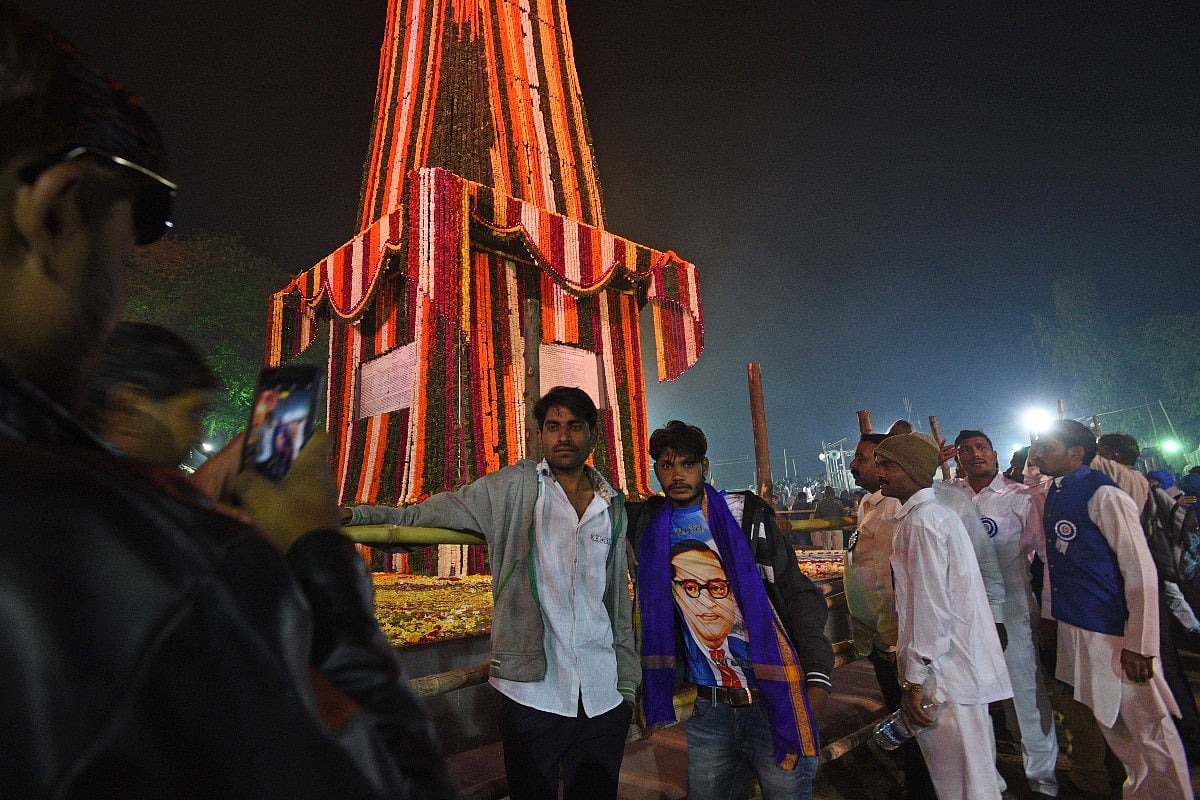
All of these individuals have worked for the uplift of Adivasis, India’s marginalised indigenous communities, as well as Dalits, historically oppressed under the caste system. Police accused them of being sympathisers or members of the banned Communist Party of India (Maoist), of inciting violence at an event earlier that year in the village of Koregaon Bhima, and of plotting to assassinate Narendra Modi, India’s prime minister since 2014, in order to foment an uprising against his government. The accusations were based on documents allegedly recovered from laptops and other devices belonging to those accused; technical experts have challenged this evidence, indicating that it may have been planted. International organisations such as Human Rights Watch and Amnesty International have described the arrests as politically motivated.
Though hundreds of news articles and opinion pieces have been written on the Bhima Koregaon case, the British anthropologist Alpa Shah’s The Incarcerations: Bhima Koregaon and the Search for Democracy in India is the first comprehensive study of it. Early in the book, Shah writes, “The BK case is a bellwether for the collapse of democracy because, for the first time in Indian history, there is a multi-pronged coordinated nationwide persecution of these custodians of democracy.” Using as a case study the legal proceedings against the BK-16, as the accused are now known, Shah argues that the case “exposes the brutal state-sponsored abuse of democratic rights taking place across India with complete impunity.”