
Last week saw news of the arrest of lawyers Imaan Mazari and Hadi Ali Chaththa for social media posts that highlighted rights violations in Pakistan, and particularly in Balochistan and Khyber Paktunkhwah – posts that were later deemed “anti-state”. Now, a fresh wave of violence brings into focus the longstanding conflict in Balochistan, with news of aggressive counterattacks and charged rhetoric from the state’s chief minister. But there’s more to this story than convenient soundbites. Even as the world is abuzz with news of the Epstein files (and the Southasian leaders named in them), the T20 World Cup drama and more, we’re here to bring you the stories that deserve the spotlight. And that’s exactly why you should sign up to our Patrons programme and support our work.
To contribute more, visit himalmag.com/support-himal.
This week in Himal
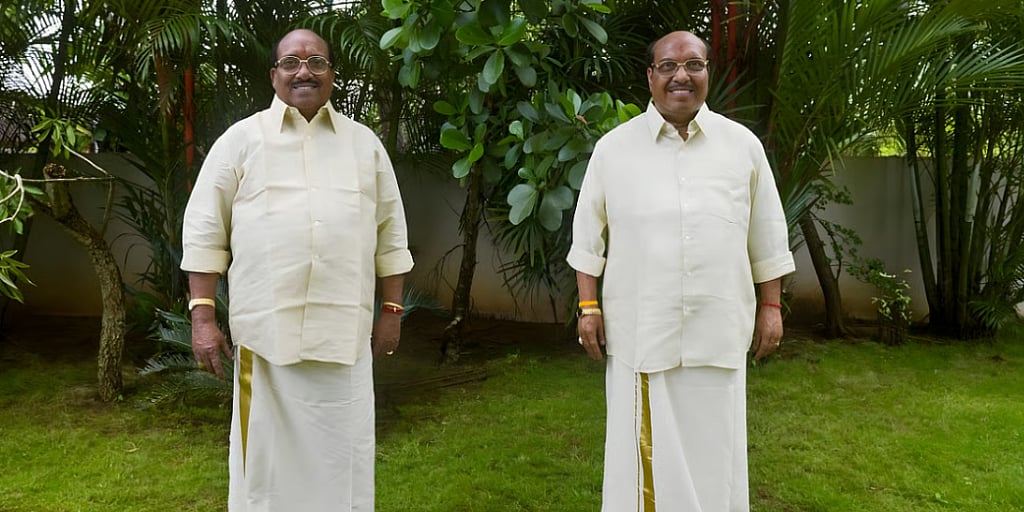
Shubra Dixit reviews Native Ball, a photobook by Anup Thomas which traces how people and documents shape behaviour and authority in Kerala, blurring the lines between fact and fiction in the process.
Also read: Aman Wadud & Harsh Mander on the plight of Bengali Muslims in Assam
This week in Southasia
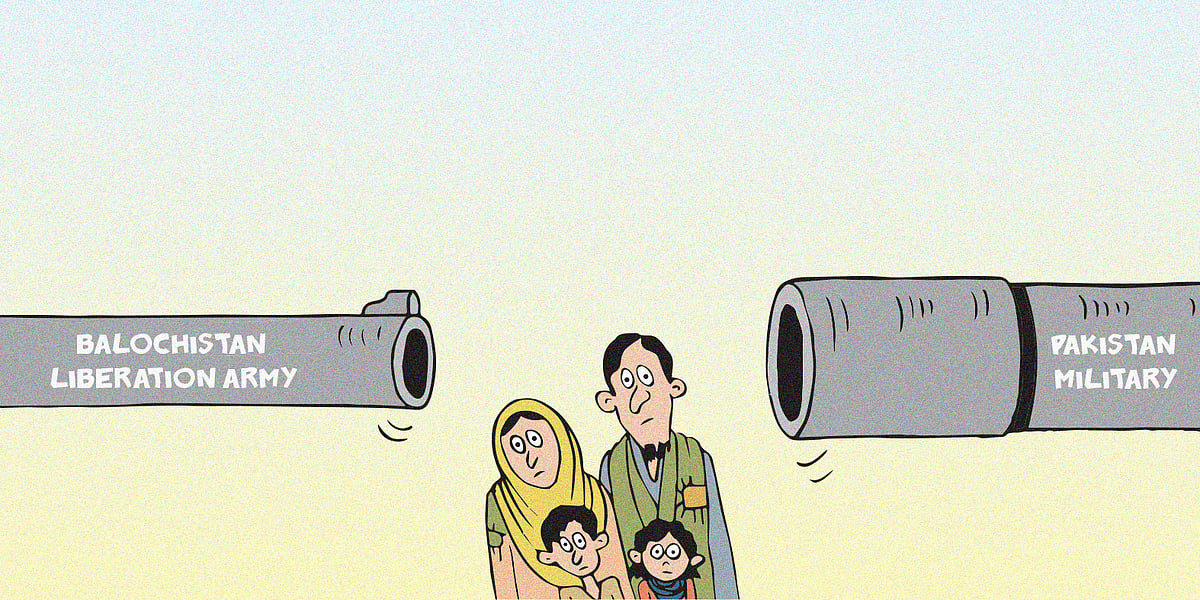
Fresh conflagration puts Balochistan’s longstanding conflict in the spotlight
On 31 January, a series of attacks across southwest Balochistan led to the deaths of 48 people, including 31 civilians. The separatist Balochistan Liberation Army later claimed responsibility for the attack. Pakistan aggressively cracked down in response, killing 145 militants and retaking the town of Nushki in a 40-hour gun battle. Alongside military aggression came political spin from Balochistan’s chief minister Sarfraz Bugti, who called the militants “India-backed terrorists” and claimed that Afghanistan also backed the attackers – charges both New Delhi and Kabul denied.
The aggression of Pakistan’s army and political leadership obscures the roots of Balochistan’s longstanding conflict. This week, it was reported that crucial talks on resource-sharing and debt led by Balochistan stalled due to the lack of availability of finance ministry representatives. Calls from Balochs for demilitarisation and answers about thousands of enforced disappearances have been ignored in favour of military aggression. Last week, two legal advocates were arrested for their social media posts that among other issues, highlighted rights violations in Balochistan, implying that violence in the province continues to be framed as a national security issue caused by crossborder militancy or India-Pakistan rivalry, rather than due to deprivation and military overreach.
Elsewhere in Southasia:
- Epstein files leak reveals links between sex offender and financier Jeffrey Epstein, Indian businessman Anil Ambani and Trump administration to prepare the ground ahead of 2017 visit to Israel by prime minister Narendra Modi; former Maldivian president Mohamed Waheed Hassan Manik met with and pitched a luxury resort investment deal to Epstein
- Tata Power announces evaluation of nuclear energy sites in three states, pauses for regulatory approval
- At least 18 die from explosion at illegal coal mining site in Meghalaya, India
- Indian rights activist Harsh Mander says Assam Chief Minister Himanta Biswa Sarma threatened to file 100 cases against him after he filed police complaint against Sarma for hate speech targeting Bengali-origin Muslims in Assam
- US President Donald Trump says US to lower tariffs on India to 18% in wake of Indian promise to halt investment in Russian oil, claims India has pledged to purchase USD 500 billion in American products in return
- Nepal’s parliament rescinds social media bill that was one of the catalysts for Gen Z protests in September 2025
- Pakistan boycotts T20 cricket match against India, signs Bangladeshi player Mustafizur Rahman citing solidarity after Bangladesh pulled out of the tournament due to security concerns linked to ongoing political tensions between India and Bangladesh
- Tibetan spiritual leader Dalai Lama receives first Grammy award for audiobook recording, prompting criticism from Beijing who described the award as “a tool for anti-China political manipulation”
- Indian Supreme Court asks central government to rethink detention of Ladakh climate activist Sonam Wangchuk for “anti-national” activities after Ladakh statehood protest in light of his declining health
- Ex-Bangladeshi prime minister Sheikh Hasina sentenced in absentia for fifth corruption case on top of death penalty, niece and UK lawmaker Tulip Siddiq also sentenced
- Top Russian security aide visits Myanmar, signs four-year military cooperation agreement in first major diplomatic exchange since military-backed Union Solidarity and Development Party claimed victory in election
Revisit the below archival stories from Himal adding more context to this week's news updates from Pakistan, India and Bangladesh
Also read: Between tribe and country: The crisis of Balochistan
Also read: India’s slow-burn affair with Israel heats up
Also read: Why New Delhi backed Sheikh Hasina – and botched its Bangladesh policy
Snap Southasia
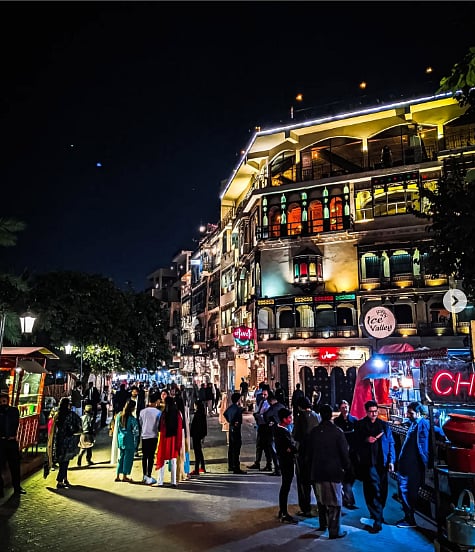
Where in Southasia is this image from? Click on your guess below (and check in next week to see if you guessed right!)
Food Street, Lahore
Hauz Khas, Delhi
Paribagh, Dhaka