
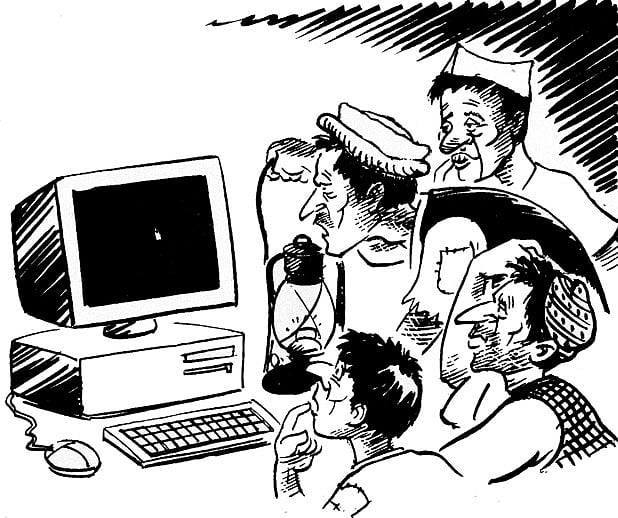
In one of the more ill-timed trips he has ever made, Fidel Ramos, the Philippines' cigar-chomping president, decided to pay an official visit to India in March 1997. Nothing wrong with that of course; a portrait in front of the Taj Mahal is a must in the photo album of every head of state. But no one had warned Ramos that Bill Gates was going to be in New Delhi on the same dates.
The result was that while Gates got banner newspaper headlines and top slots on every television news programme, Ramos barely managed a brief mention on page 12 of the national papers. Understandable, since Gates' private worth is more than the GNP of some medium-sized countries and he rakes in more cash every day than the Philippines makes daily from all its exports.
So, why be surprised that Gates was able to meet H D Deve Gowda, then warming the Prime Ministerial chair, twice? And in every interview while in India, Gates chanted the mantra of technology and how it would miraculously lift India out of poverty. The television stations controlled by global media moghuls and multinational entertainment empires swallowed whole Bill's panacea. They broadcast the guru's message to India from satellites hovering 24,000 miles above the Indian Ocean. India's domestic media basked in the warm glow of rare appreciation from the world's foremost money-making brain, who is trying to do to Netscape with Internet Explorer what George Bush did to Iraq with Cruise missiles.
In all the tamasha of the Gates visit, even the cybersceptics got a little carried away by the hype. 'Leapfrogging' became the favourite verb during the Gates visit, and we all desperately wanted to believe that information technology in all its avatars would vault us into NIC-hood. Or, as one Indian politician once put it, "go from making potato chips to making microchips".