

This week in Himal
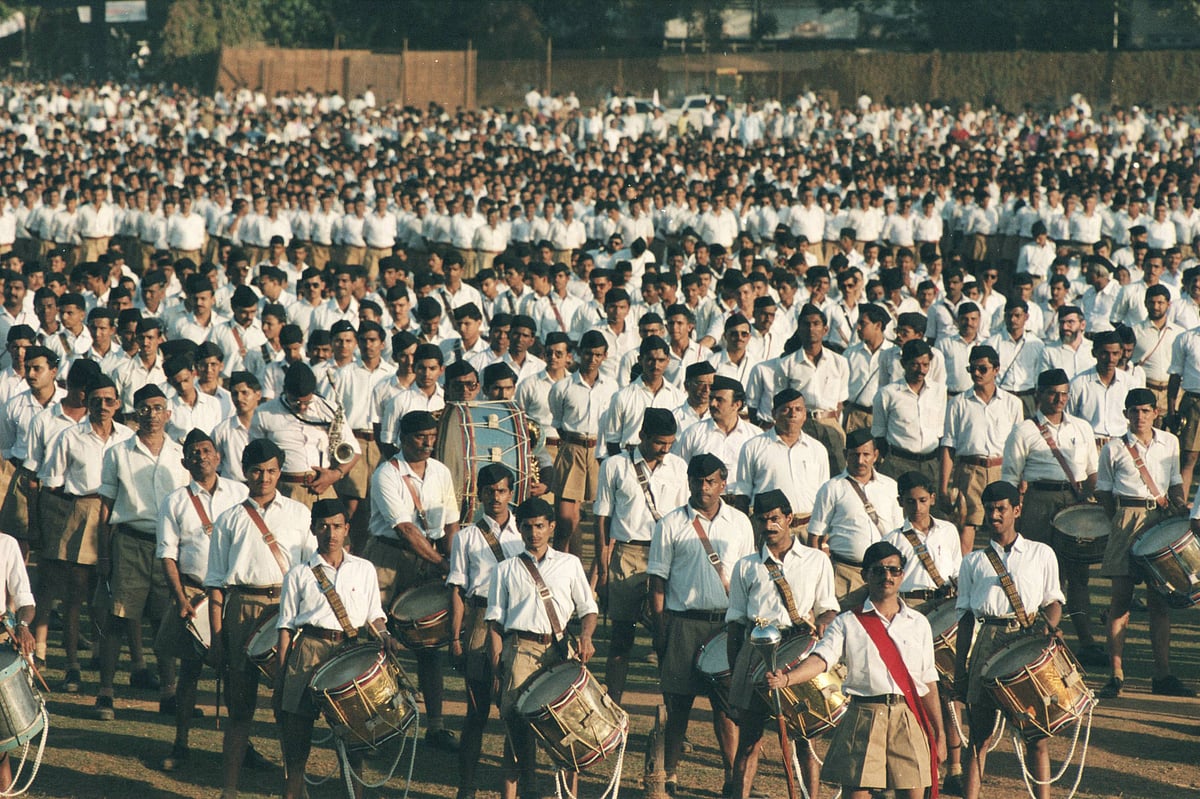
This week, Jason Stanley reflects that India’s fascist turn under Hindu nationalist rule has multiple parallels with global fascist tactics and history, including in Nazi Germany and Trump’s United States, drawing on his books on fascism, How Fascism Works and Erasing History.
Lawyer and legal scholar Shahrukh Alam talks about how India’s laws are being weaponised against Muslims in episode 5 of our podcast series ‘Partitions of the Heart: Conversations with Harsh Mander.’
For the next episode of the State of Southasia podcast, host Nayantara Narayanan speaks with Samina Luthfa, a sociology professor at the University of Dhaka with a focus on labour rights and gender, about Bangladesh’s feminist movement and how the country’s turbulent politics is affecting women.
This week, we're also excited to introduce a new segment we're calling Snap Southasia, featuring a striking image from the region each week. Scroll down to take our poll and guess where in Southasia this week's photo was taken!
Also read: Languages and labour on tea estates in South India and Sri Lanka: Part 2
Also read: Muslim Life – and Death – in Modi’s India: A podcast with Harsh Mander
Also read: Vauhini Vara on big tech and our digital selves: Southasia Review of Books podcast #27
Also read: How fascism works in India
This week in Southasia
Chemmani mass grave re-opens discussions on extra-judicial killings, disappearances in Sri Lanka
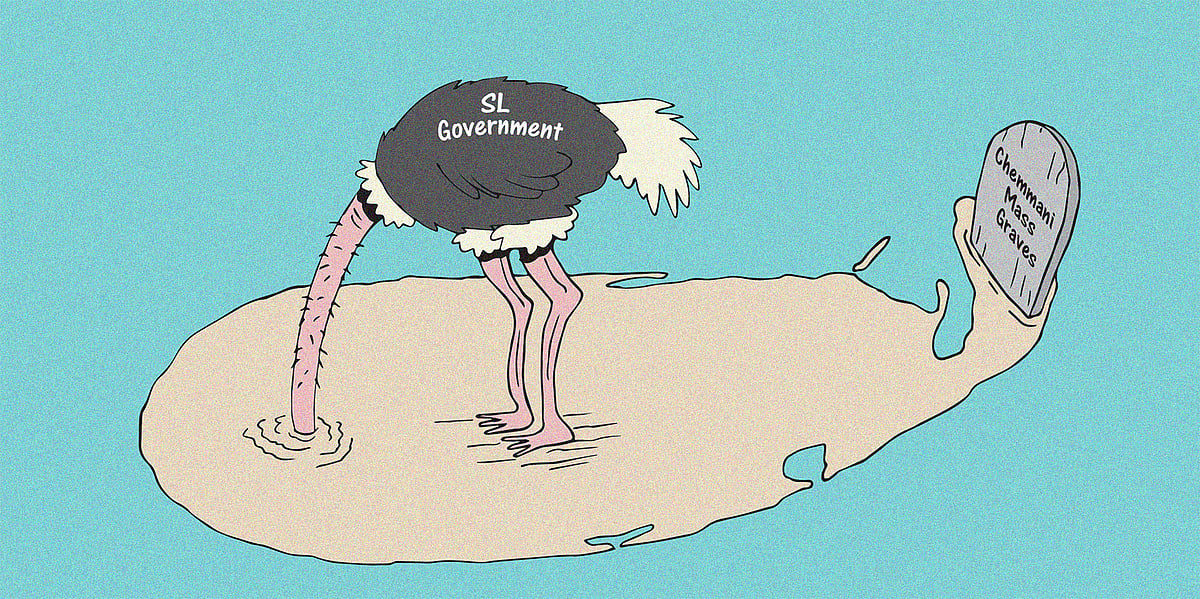
Over the past week, excavations have been ongoing at the Chemmani mass grave in Jaffna, with 33 bodies discovered so far. Among the effects recovered were child’s toys and schoolbags, indicating that children were also buried there, with archaeologists saying some of the bodies were babies younger than 10 months old. On 25 June, families of the disappeared launched a mass protest in Jaffna calling for UN monitoring of the process, coinciding with UN Human Rights Chief Volker Turk’s visit to Sri Lanka.
The excavations have reopened conversations around accountability for enforced disappearances and extrajudicial killings during Sri Lanka’s decade-long civil war. Chemmani was also the site of the rape and murder of 18-year old Krishanthi Kumaraswamy and her family, with a soldier detained in connection with the case later testifying that hundreds had been buried in mass graves near Chemmani. Chemmani is one of at least 20 mass grave sites where excavations have taken place across Sri Lanka, with research finding that forensic investigations have been marred by political interference, delays and a lack of transparency, and hampered by a lack of resources. While the election of new president Anura Kumara Dissanayake raised hopes for some progress, families of the disappeared have expressed scepticism that there will be meaningful answers for them, reflected in calls for international participation and monitoring of the excavation process.
Given renewed discussions about accountability in Sri Lanka, our State of Southasia podcast interview with human rights lawyer and head of International Truth and Justice Project Yasmin Sooka is worth a listen. Sooka talks about President Dissanayake’s promise to set up a Truth and Reconciliation Commission and the need for further reforms to ensure accountability. “Statements need to be matched with actions,” Sooka said. Other articles to re-read include Bhavani Fonseka's article from August 2020 about the failures of Sri Lanka's criminal justice system. Letchumanan Thevathiran’s article about Dharmaretnam Sivaram’s case is also worth revisiting.
From the archive (February 2025)
Also read: Yasmin Sooka on truth and reconciliation in Sri Lanka: State of Southasia #18
Elsewhere in Southasia
- Sanitation workers in Chennai, India protest state government’s decision to privatise waste management, placing further barriers on providing permanent government employment
- Pakistan’s climate minister slams ‘lopsided allocation’ of funding for flooding; 32 reported killed in Punjab, Khyber Paktunkhwah since start of monsoon season; 31 reported dead and 151 injured in monsoon-related disasters in Nepal between 28 May and 1 July
- 37 reported dead from explosion at a pharmaceutical factory in Telangana, India, government panel formed to investigate cause of disaster
- Bangladesh’s former prime minister Sheikh Hasina sentenced to six months in prison for contempt of court by International Crimes Tribunal
- 33-year-old Indonesian influencer sentenced to seven years in prison for meeting with anti-junta groups in Myanmar
- New report details torture, arbitrary arrests and severe abuse carried out by Taliban intelligence services
- Nepal lawmakers demand investigation into amendments to Federal Civil Service Bill removing two year cooling period for senior government officials after retirement
- Maldives imposes 30 percent transaction fee on Chinese e-commerce sites, claims ‘misuse of debit cards’ for US dollar transactions overseas
- Hindus embark on month-long Amarnath pilgrimage in India-administered Kashmir amidst heightened security after Pahalgam attack
- Exiled Tibetan leader Dalai Lama confirms he will have a successor appointed by the trust he founded, despite ongoing tensions with Beijing over his successor
Revisit some of our archival stories adding more context to some of this week's news updates from India, Pakistan and Afghanistan.
Also read: India’s complete surrender to war lust after Pahalgam
Also read: Unpacking the floods in Pakistan
Also read: Incarceration under the shadow of the Taliban
Also read: Stinking filth: The political economy of scavenging
Snapshot Southasia
Every week we bring you one striking image from Southasia. Click below to guess where it is – and don’t forget to check in next week to see if you were right!
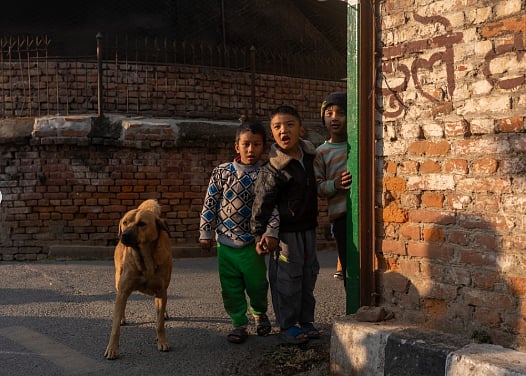
Where in Southasia was this photo taken?