
Twenty-three years had given Assu a lot to see, to endure. More than what her young eyes demanded, including food, shelter, clothing, some lives, more deaths. Yet a lot remained to be seen, which stayed hidden, quietly cocooned, somewhere in the corner of all her thoughts, manifesting as 'dreams'. She counted them, admired them and nurtured them quietly, lest somebody steal them before they bloomed. No, she wanted them to stay as they were, forever!
As a child she had admired the coal-dust from the Jharia Colliery behind her house, which rose from the heaps dumped there by the colliery workers, growing to be little mounds. The dust rose, was lost somewhere behind the chimneys, mingled with the smoke and then disappeared. Her father was also one of the miners. And every time that he, along with other co-workers, would add to the pile of dust, she would watch with amusement as it grew big and then bigger, and every time that there was a dust storm, the upper layer would soar up with the wind, as if to touch the sky. She had grown up in that small town of Jharkhand, watching it; grown up enough to know what the 'ups' and 'downs' of life meant; and they meant more than watching rising coal dust, for sure. So far her life was finely dotted with more of 'the downs' than 'the ups'. Her desire to study in a so-called 'big' school, pursue her undergraduate studies in a big city was brought up short every time.
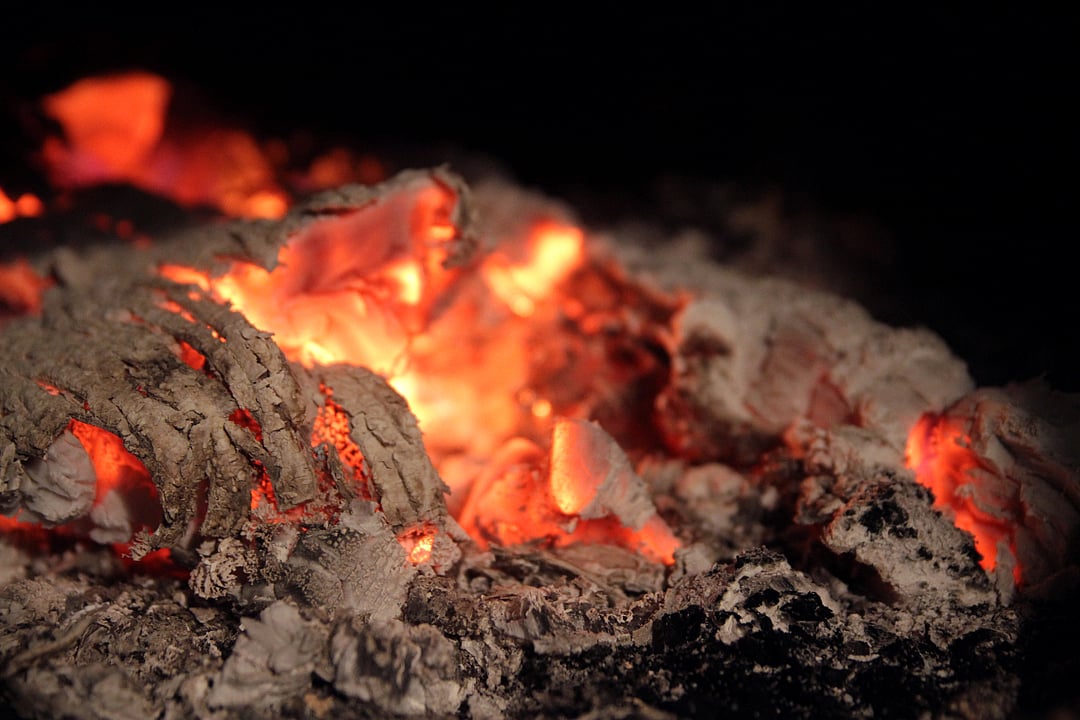
She wanted to get out of Jharia. The place had nothing but burning coal beneath the ground. Perhaps the anger of the Earth for having dug down so ruthlessly, it burnt to devour, devour everyone dreaming and their dreams too, perhaps. But Assu knew there was something good that had to happen, somewhere, sometime. Having completed her undergrad from her own smoky, dusty town, she finally had one big chance to prove her worth, which would have put an end to her self-questioning, all of the 'wheres' and 'hows' and 'whys'.
The dazzling daylight was no relief from the murk of the coal-dust, being filled with the buzzing of so many unwanted bees, the questions with their poisonous sting. "Haa, a girl of lower middle-class family! What will you do with so much of education?" or "Humanities has no value. A science or engineering degree can give her a career, if not, at least a good bridegroom," To top it all was their humour, "You study so much, you won't find your match Assu, be prepared!" Her only reply was a forced smile. As if there was something better that she could do. Yet these questions and taunts left her shaken, asking herself "What next?" The answer was lost somewhere in the same looming darkness; every day ending in the same night filled with uncertainty. She wanted to get out of the ghetto, no matter what.