
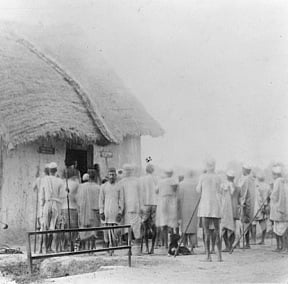
What does it mean to belong to a 'denotified' tribe (DNT) in India? It means that your past is marred by the notorious Criminal Tribes Act enacted by the colonial state in 1871. It means that your present is haunted by the aftermath of this colonial legacy because of the Act's post-independence reincarnations. It also means that your future is uncertain.
The Criminal Tribes Act not only stigmatised entire communities irrespective of the actual activities of particular members of the community, but also imposed severe restrictions on the movements of its members. Many communities notified as the "criminal tribes" of India were confined to settlements and were subjected to mandatory attendance regimes to keep their movements in check. The Government of India took more than five years after independence to repeal the Criminal Tribes Act in 1952, a first and necessary step towards erasing the stigma that burdened the lives of these people. But this significant segment of Indian people – by some estimates almost ten percent of the total population – are not sure whether 'denotification' has in fact freed them.
Many DNTs in India celebrate 'Mukti Divas' or 'Freedom day' on 31 August to draw attention to the date on which they were denotified, rather than joining the celebrations on 15 August, which marks India's freedom from colonial rule. This trend is partly fueled by increasing connectivity over social media which members of the community are rapidly learning to use. The symbolic significance of such celebrations cannot be understood unless we understand that most denotified communities are a disgruntled lot today, unable to break away from the consequences of past injustices. In post-independent India, they have not yet received what is legitimately their due as citizens.
Following the repeal of the Criminal Tribes Act, no sustained attention was given to the specific concerns of the DNTs. Though the denotified communities were made part of the affirmative action policy in India, this was achieved indirectly. They were haphazardly adjusted within the categories of Scheduled Castes, Scheduled Tribes and Other Backward Castes. Many remain excluded even from this. These discrepancies created discontent and unrest, which has not yet subsided. If anything, it is becoming more manifest in various mobilisations occurring in different parts of the country.