
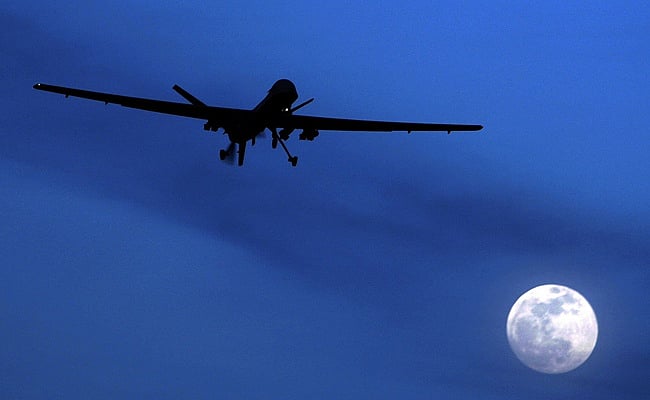
The world has witnessed an aggressive increment in the military use of drones, or unmanned aerial vehicles (UAVs), over the past ten years. Originally intended for surveillance and intelligence purposes, armed drones have recently been used to launch missiles and bombs at 'suspected' targets in 'volatile' regions located in West Asia and Southasia. The US military has used drones in Afghanistan since 2001, in Iraq since 2002, in Yemen since 2002, and in Pakistan since 2004. Nor is the US the only country to use drones for offensive military purposes: the UK initiated drone strikes in Afghanistan in 2007, and Israel has used them in Gaza since 2008.
There is no doubt that drone strikes have caused civilian casualties, but calculating the number of casualties has been very difficult both because drones are often used in remote areas, and also due to the strict secrecy surrounding these strikes. The New American Foundation, a US think tank, estimates between 1870 and 2873 total deaths from drone strikes in Pakistan since 2004, of which an estimated third were civilians. The website Pakistan Body Count suggests a far higher proportion: 50 civilian casualties for every militant killed. Independent investigations by Al-Jazeera show between 391 and 780 civilians killed since 2004.
When considering these figures, the controversy surrounding the label 'Militant' is also rightly an extremely important issue. There is currently no agreement on how precisely to distinguish an innocent individual from a militant or insurgent. Is any young male in a tribal agency in Pakistan truly a 'terrorist', as the governments using drone strikes would have us believe? And even so, does that justify the extrajudicial killings of these human beings via drone strikes?16-year-old Tariq Aziz, killed alongside his 12-year-old cousin in a drone strike in Waziristan last year, is just one example of the many innocent civilians indiscriminately killed in these attacks.