
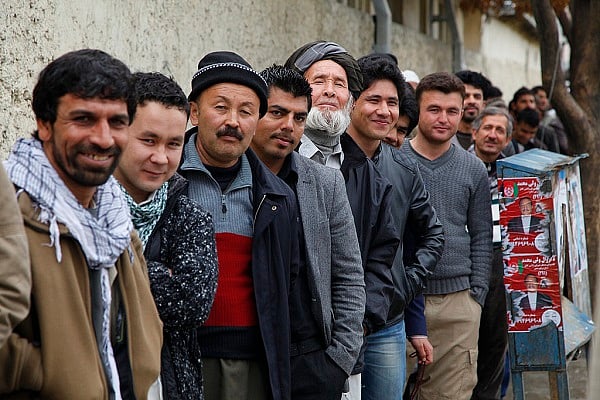
On September 28, over two million Afghans lined up to cast their votes in the presidential elections, in which incumbent president, Ashraf Ghani, was up against more than a dozen other rivals, chief among them, the previous runner up and incumbent Chief Executive, Dr Abdullah Abdullah. Voting was marred by violence and allegations of corruption, as it has been in earlier elections. The process of counting votes has already become contentious; how politicians, the Independent Election Commission and the media handle what may be a disputed outcome, will do much to determine the future of both democracy and democratically-led peace negotiations in Afghanistan.
In the past fifteen years, elections have meant a variety of things. The first few elections were largely used by politicians to demonstrate their influence and the strength of the ethnic groups they represented. In recent years, the political elite have used disputed election results to negotiate power-sharing arrangements. In each of these cases, elections have been more than just the process of selecting political representation; they are a venue for political leaders to demonstrate the ability to mobilise followers, while undermining the reputations of their rivals, through accusations of corruption. The current election, while ironically seeing the lowest turnout since 2004, the first elections since the Taliban were ousted, has additional significance, since it is taking place at a potentially pivotal moment in the Afghan peace process.
Up until this point, regular elections have largely been seen as one of the few positive steps for democratisation in Afghanistan. Most of those living in Afghanistan now were born into an Islamic, democratic republic. Millions have shown up to vote in each of Afghanistan's six national elections (including presidential and general elections) since 2004, despite threats by insurgent groups. Women have participated as voters, candidates and officials while still facing many obstacles. And while some transitions of political power have not been smooth, the vast majority of Afghans see elections as the only means of peacefully and legitimately transferring power in the country.
However, there are serious cracks in these democratic practices. Beyond the fraud and corruption of previous elections, the last presidential vote was not resolved through a transparent counting of ballots, as much as it was ultimately a political settlement between Ghani and Abdullah. While Afghan voters largely acquiesced to this as an acceptable political outcome, avoiding violence, neither side publicly accepted defeat and this set a precedent for elections and political transitions to be resolved through politics rather than democratic processes.