
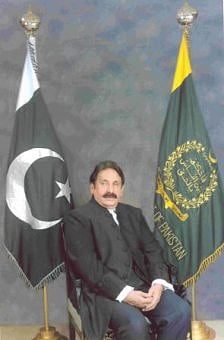
The tussle between the judicial, executive and legislative branches is an old one. Competing loyalties, political interference and plain corruption have challenged the independence of the judiciary in most countries of Southasia. Yet when General Pervez Musharraf removed Chief Justice Iftikhar Muhammad Chaudhry for "misuse of office" on 9 March, he probably did not expect the groundswell of protest that was to follow. Demonstrations soon spread from lawyers and the media to human-rights activists and the general public.
The ousted chief justice quickly became a veritable symbol of resistance to executive high handedness. This was particularly so because the dismissal came in the wake of Chief Justice Chaudhry having taken up cases that Islamabad would rather have swept under the judicial carpet: disappearances (the polite term for those abducted and probably killed by the military intelligence agencies), and the high-level corruption in the Pakistan Steel Mills case. There can be no disagreement on enhancing judicial accountability, but such an obviously politically motivated move is less about keeping the judiciary under the scanner than about removing a chief justice who refused to be a puppet (so goes the received wisdom in Pakistan). The attack on Pakistan's judiciary – and the attempt to control independent institutions – must be viewed with alarm, particularly given the general elections announced for later this year.
As the lawyers' protests spilled into the streets, police barged into the Islamabad office of Geo TV, which had been airing regular coverage of the protests. There, they beat up journalists, broke windows and computers and lobbed teargas into the newsroom. Just a day before, the popular and controversial show 'Aaj Kamran Khan Ke Saath' had been banned, after it had covered the chief justice's removal and the subsequent protests. Are we expected to believe that Gen Musharraf did not order the assault (as he claims), or is the general losing his grip?
At deadline, Chief Justice Chaudhry refuses to resign, demanding that the hearing by the Supreme Judicial Council into his alleged abuse of power is conducted publicly. Even so, Justice Rana Bhagwan Das, next in line to be acting-Chief Justice, is waiting in the wings. While Das's appointment would certainly notch up the score on minority welfare, one wishes that the only Hindu judge to have risen to the Supreme Court level in Pakistan had been given the honour under less-controversial circumstances.