
July 2012: Frederica Jansz, the editor of the Sunday Leader, called Gotabhaya Rajapaksa, Secretary to the Ministry of Defence and Urban Development, about a dog. Jansz had heard that Rajapaksa, the powerful younger brother of President Mahinda Rajapaksa, had ordered the bumping off of passengers from a flight to Sri Lanka, so that his chosen pilot could fly his chosen puppy home, from Zurich. Rajapaksa responded to Jansz's probing questions with profanity and threats. In less than three months, the Sunday Leader had been purchased by a Rajapaksa cipher and Jansz was out of her job. Fearful for her life, she fled the country with her two young sons.
January 2016: Prime Minister Ranil Wickremesinghe, speaking in parliament, was wildly critical of Chatura Alwis, a popular TV presenter of the privately owned TV Derana. Wickremesinghe called Alwis names and accused him of spreading racism. Alwis is still living in Sri Lanka, still at his job, still critical of the government.
The two incidents illustrate the long distance travelled by Sri Lanka in a short time.
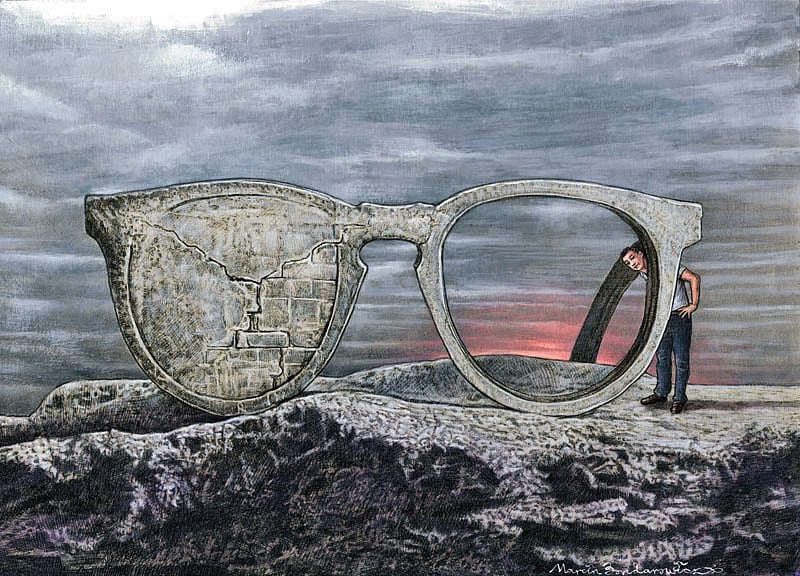
Two years ago Sri Lanka was one of the least free lands in Southasia; today it is one of the nations where most are able to express themselves. The transition is especially remarkable because it bucks the Southasian trend towards lesser freedom. Across the Subcontinent, spaces are shrinking, for the media in particular and for dissenters, in general. This gradual hemming in of dissent is due to a growing intolerance unleashed by secular and religious authorities, states and societies. Himal's own fate is an obvious example, one amongst many, ranging from the verdict against Wendy Doniger's superlative tome The Hindus: An Alternative History in India, to the great tragedy of the serial murder of freethinking bloggers in Bangladesh.