
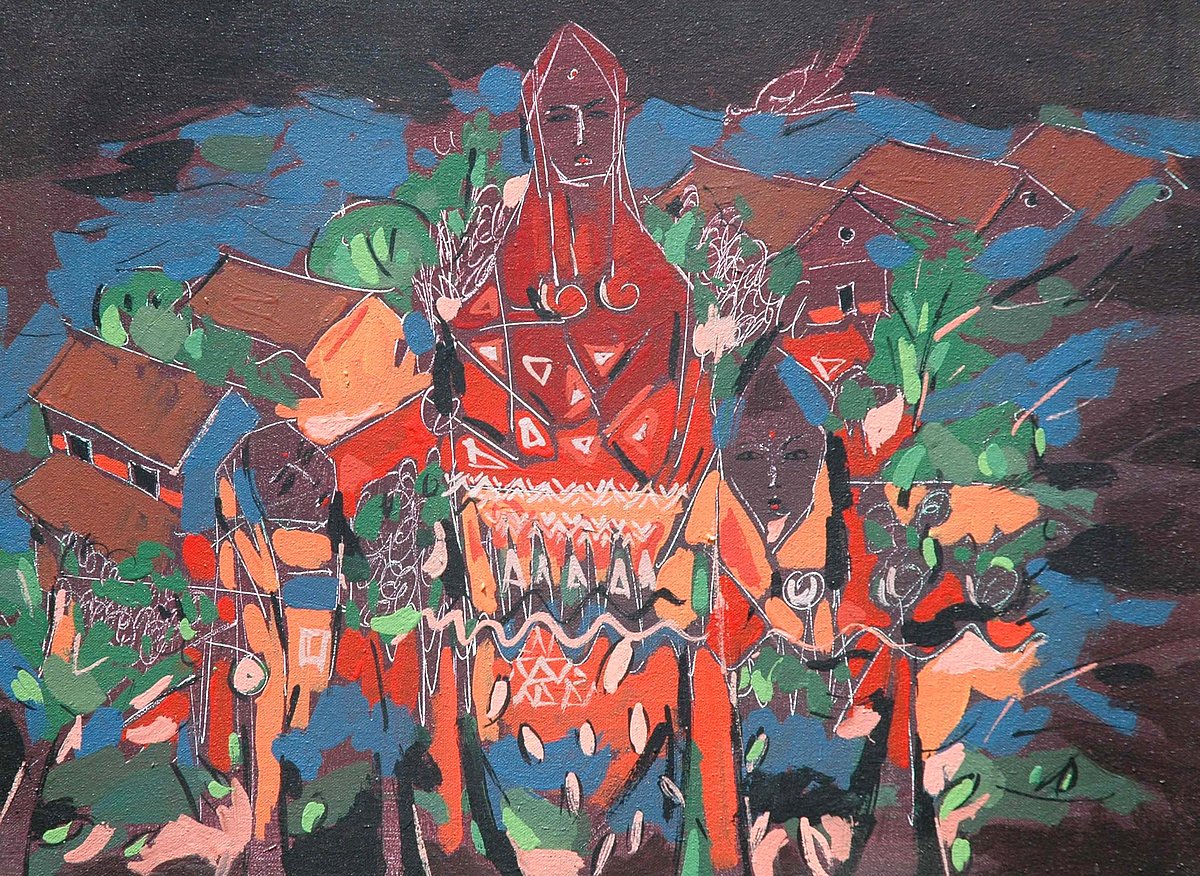
The exclusion of individual interpretations and social context in human rights modes of employment has worked its way through the process whereby life becomes text becomes genre and has transformed survivor's own interpretation (in public, at least) of human rights abuses. This relationship between facts and interpretation and representation conveys the conditions under which knowledge is constructed and represented.
In December 1971, East Pakistan became the independent nation of Bangladesh after a nine-month war with West Pakistan and their local Bengali collaborators. Faced with a huge population of rape survivors, the new Bangladeshi government – six days after the end of the war – publicly designated any woman raped in the war a birangona (a brave or courageous woman; the Bangladeshi state uses the term to mean 'war-heroine') as an attempt to reduce their social ostracism. Even today, the Bangladeshi government's bold, public effort to refer to the women raped during 1971 as birangonas is internationally unprecedented. Yet the term remains unknown to many outside Bangladesh.
Forty years after its independence, the issues of genocide and rape during the Liberation War remains unresolved and the Bangladeshi state is seeking to redress these injustices through the war crimes tribunal. In this context, it is important to historicise rape in Bangladesh, especially the reports of wartime sexual violence in the press in the 1990s. The reinscription of personal stories into the national and international domain has tended to obscure the moral complexities of womens' accounts and their experience of dealing with sexual violence.
In 1972, the independent government of Bangladesh set up rehabilitation centres for birangonas, which undertook abortion, put their children up for international adoption, arranged their marriages, trained them in vocational skills and often ensured them government jobs. Wartime rapes were widely reported in the press from December 1971 until the middle of 1973, after which it was relegated to oblivion in government and journalistic consciousness for 15 years, re-emerging once again in the 1990s. (The issue of wartime rape, however, remained on the public stage as a topic of literary and visual representation – films, plays, photographs – since 1971.) What was missing were testimonial accounts of birangonas and their experiences. In 1992, three birangonas from an impoverished background were photographed in a civil society movement demanding the trial of collaborators. These photographs were published in leading national newspapers. From here, the political trajectory of the birangona assumed a new form as the Bangladeshi press began reporting on wartime rapes again.