
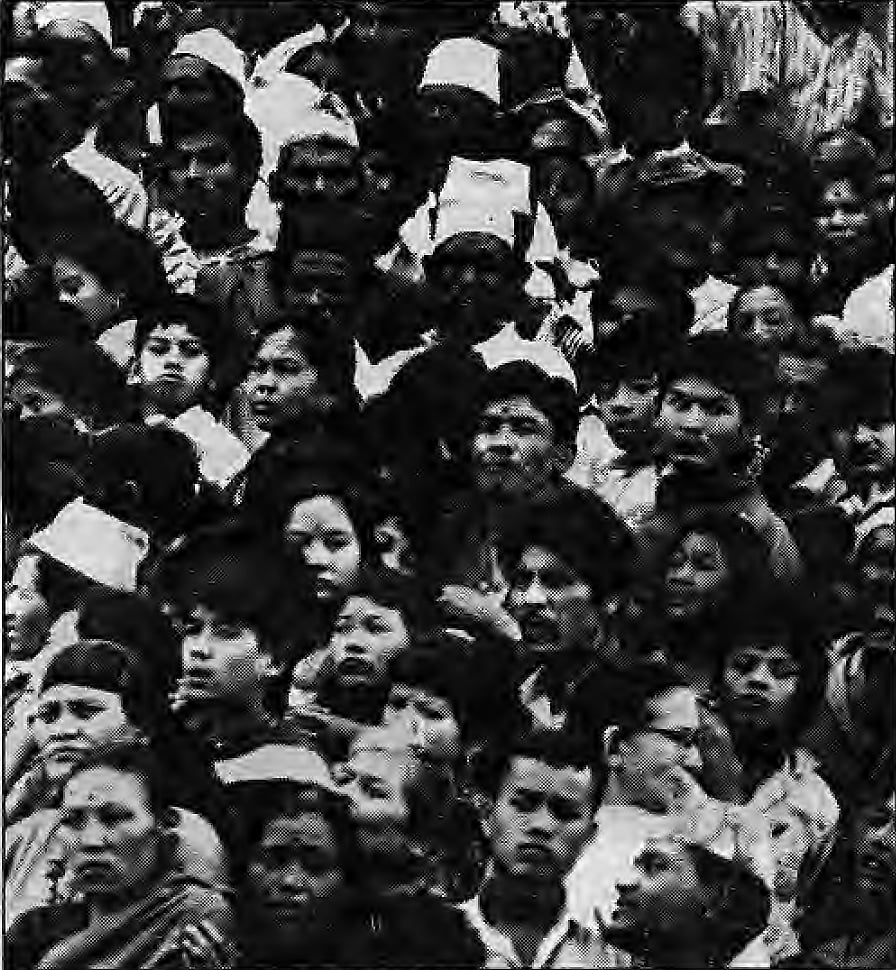
Some 200 years ago, the Gorkha king politically unified Nepal through conquest While the political entity called Nepal has existed all these years, however, the nation state of Nepal has not yet stood the test of national integration. Having been propped up for two centuries by feudal and authoritarian rule, the country is now asked to hold together under a multi-party democracy.
Today, whether they fully realise it or not, those who would rule Nepal are weighed down by the responsibility of managing multi-ethnic, multi-linguistic and multi-tribal divisions. Like elsewhere in the young and emergent states of Asia and Africa, the search is on for a single cultural identity that would make Nepal a "nation-state" rather than merely a "state".
A "state" requires only a central government, people, territory and political sovereignty. In the slightly more abstract notion of "nation-state", a people see a common destiny of remaining together, despite differences in language, culture, religion and political ideology.
Nepal´s transformation from a feudal state to a democratic state, without an intervening period of tutelage under colonial rule, has been abrupt. The feudal authoritarian rule of the past two centuries sought to maintain and promulgate national integration in one way. Under the new dawn of multi-party democracy, national integration will be achieved in a different way.