I’m writing this week as a landmark case has been opened accusing Myanmar’s military of using “genocidal policies” to destroy the Rohingya community. As a Sri Lankan, reading about the case reminds me of Sri Lanka’s own protracted history of (un)civil war and calls for accountability for the Tamil community from within and outside Sri Lanka. Then, too, the discussion revolved around whether the killings and enforced disappearances in the North and East of the country constituted genocidal acts on the part of the Sri Lankan state, and then, too, many pointed out the high standard of proof required to successfully prosecute such a case.
This week, as discussion swells around the case on Myanmar, a report was released on conflict-related sexual violence in Sri Lanka, a poignant reminder that many questions around accountability on Sri Lanka’s war linger unresolved, adding to the pain and trauma of survivors. We work to draw parallels like these so that you, our readers, can gain a deeper understanding of Southasia, from Southasia.
This week in Himal
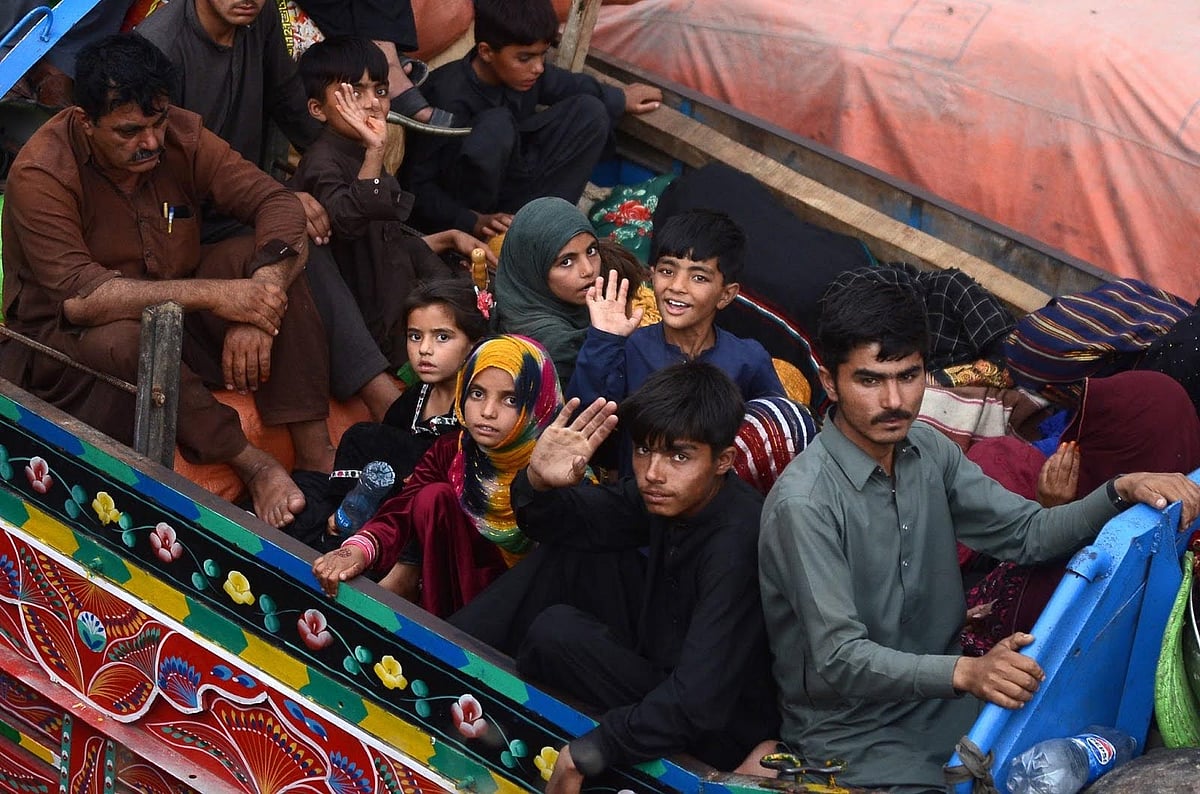
Salman Rafi Sheikh writes that Islamabad has failed to recognise Kabul’s new regional ambitions, framing a divergence in strategic orientation as a national security issue.
Also read: Dalpat Chauhan’s alternative Dalit history of Gujarat
Also read: Himal interviews: Media-fuelled Islamophobia in India
This week in Southasia
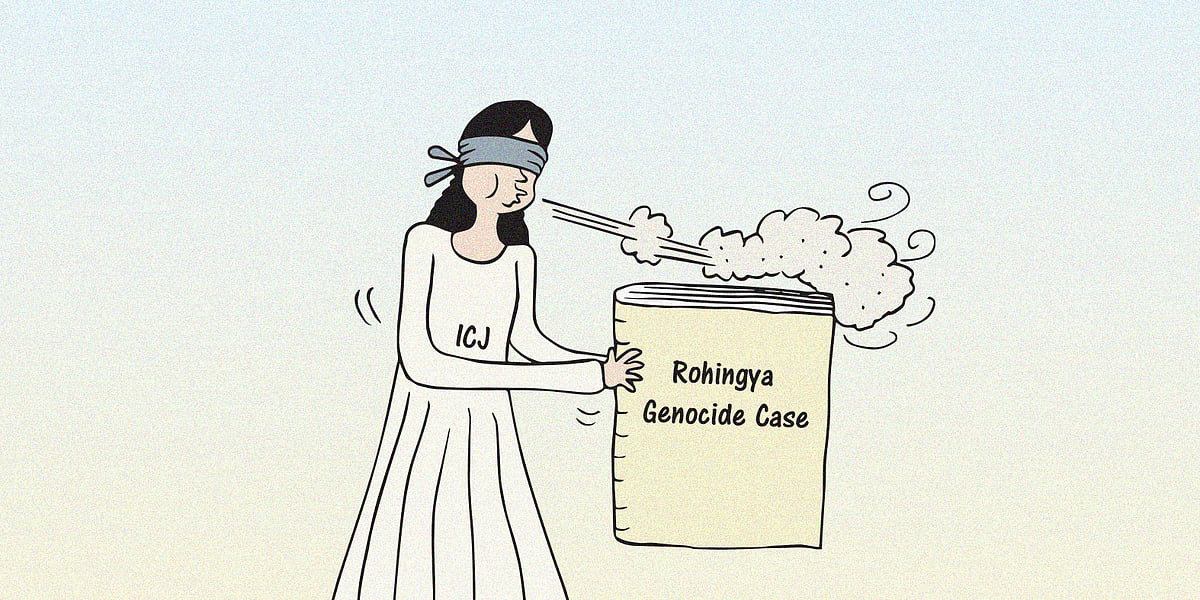
ICJ opens landmark Rohingya genocide case
On Monday, 12 January, the International Court of Justice opened a landmark case accusing Myanmar of deliberately trying to destroy the Rohingya through its use of “genocidal policies”. The case was first filed by The Gambia in 2019, after brutal military offensives in 2016 and 2017 forced hundreds of thousands of Rohingya to flee into neighbouring Bangladesh. The refugees have recounted mass killings, rape and arson attacks which Myanmar’s military euphemistically described as “clearance operations”. A 2018 UN fact-finding report said top military leaders must be investigated for genocide in Rakhine state and crimes against humanity in other areas. National League for Democracy leader Aung San Suu Kyi also faced sharp criticism for defending Myanmar against the charges in 2019.
The trial is the first genocide case taken up by the ICJ in more than a decade, and its repercussions echo beyond Myanmar, likely impacting South Africa’s petition charging that Israel has violated its obligations under the Genocide Convention in the ongoing war on Gaza. International courts have set a high standard of proof on cases involving charges of genocide, with only three cases meeting this standard in Cambodia, Rwanda and Srebrenica, and with the ICJ yet to rule against any country for committing genocide. The case also comes after Myanmar held the first phase of elections, which the military says is aimed at allowing for democratic transition, but is likely to only entrench military rule.
Elsewhere in Southasia
- Pakistan army approaches sale of USD 1.5 billion arms and aircraft to Sudanese army after cementing USD 4 billion deal with Libya last month, while in negotiations for a JF-17 fighter jet deal with Saudi Arabia
- Indian government shuts down Shri Mata Vaishno Devi Medical Institute in India-administered Kashmir after protests erupt over high ratio of Muslim students
- Bangladesh interim government approves uniform indemnity for leaders of 2024 July uprising that led to the overturning of Sheikh Hasina’s regime
- Indian army opens fire on drones spotted in borderlands of India-administered Jammu and Kashmir, multiple sightings recorded this week
- Elephant kills 22 people, injures 15 since beginning of January in Jharkhand, India, deepening human-elephant conflict in the region; search party launched to track down animal
- Myanmar military-backed party Union Solidarity and Development Party declares strong majority in second phase of junta-run elections, with the final round scheduled for 25 January
- Nepali Congress Party formally splits after special convention, awaits Election Commission approval ahead of scheduled 5 March national vote
- Student visa applicants from Bangladesh, Bhutan, India and Nepal flagged as high-risk by Australian government
- BJP takes strong lead in Maharashtra elections for wealthy Mumbai municipal corporation as Shiv Sena leader levels accusations of irregularities, including duplicate voters ‘’
- Indian government approves revenue-sharing system for international carbon credit sales to encourage green public works initiatives
- New report by UN human rights commission underscores prevalence of sexual violence during and after conclusion of Sri Lankan civil war, calls for state accountability
- US freezes non-tourist visa applications for 75 countries, including Bangladesh, Bhutan, Myanmar, Nepal and Pakistan, citing their likely dependence on welfare programmes in the future
Revisit the below archival stories from Himal adding more context to this week's news updates from India, Myanmar and Sri Lanka
Also read: Between big data and big brother
Also read: Fear and loathing greet Myanmar’s unfree election
Also read: Yasmin Sooka on truth and reconciliation in Sri Lanka: State of Southasia #18
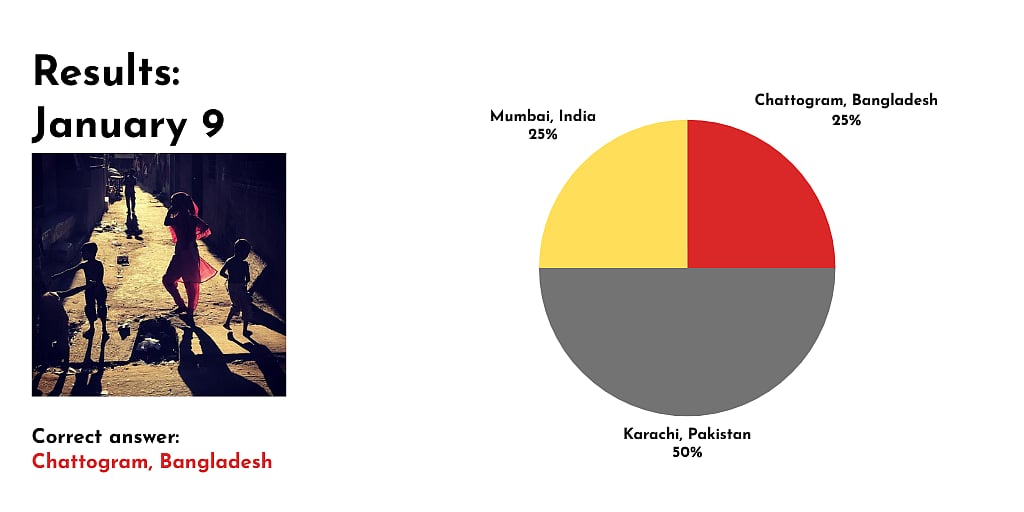
Snap Southasia
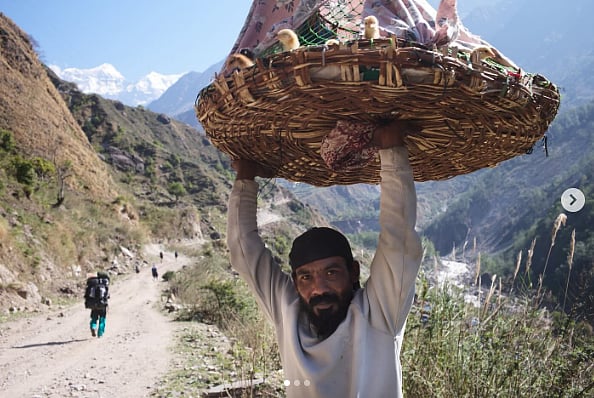
Where in Southasia is this image from? Click on your guess below (and check in next week to see if you guessed right!)
Shimla, India
Manaslu Conservation Area, Nepal
Karakoram, Pakistan