
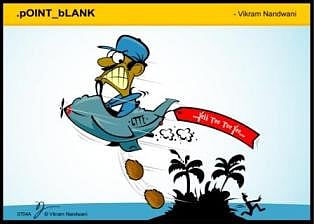
The vicious cycle of Sri Lanka's ethnic conflict continues to spiral. In 2001, the LTTE launched a suicide ground attack on the Sri Lankan Air Force base cum international airport in Katunayake, on the outskirts of Colombo. The attack destroyed more than half of the national airline's fleet, as well as several Air Force planes. With insurance rates at that time soaring and tourism falling sharply, the Sri Lankan economy took a nose dive. Six years later, in the early morning hours of 1 April, the LTTE returned to those same airfields, this time by air. Many say that the ramifications of this attack will be even more dire.
The assault involved two light aircraft, and President Mahinda Rajapakse characterised it as the first time a guerrilla group had attained air power. Even though the strategic value to the LTTE of the 1 April attack seemed limited, it provided a major psychological boost to the rebels, who have suffered a string of recent military defeats in the east of the country. During the weeks following the air assault, the LTTE has stepped up attacks on Sinhalese civilians in the east. By doing so, the Tigers have once again demonstrated their enduring ability to be destructive even as they are being militarily marginalised. But it is not only the brutality of the civilian killings that evokes memories of earlier phases of the conflict; the response of the government forces towards the civilian population is also reminiscent of past practices.
So-called cordon-and-search operations are now routine, in which large numbers of people are taken into custody, questioned, and those deemed to have the remotest connection with the Tamil Tigers are detained. This process can take days or weeks, and generates anger and bitterness, particularly among Tamils. While the evidence on the ground shows that the confrontation between the government and the LTTE is getting uglier in terms of human-rights abuses, government claims of having taken control of LTTE-held territory have not translated into greater security for the people.
The next phase of any military 'solution' would necessarily be to take the war to the north. But such a battle would likely be significantly more costly than the one in the east. First off, the rebels have consolidated positions in the north, where they have not fractured as in the east. Second, the LTTE could be expected to target the civilian population outside the north and east, both in an attempt to divert the government's attention and to take vengeance. If the civilian toll were to be heavy, and if there were to be a large-scale influx of refugees into India, the international consensus on giving Colombo a free hand in the war could cease. This could bring about an even more dangerous and uncertain phase.