This week saw India launch a summit on artificial intelligence with much fanfare. Unfortunately, the news has been full of gaffes around the event - scroll below to find out why. Reading updates about the event reminds me about Sri Lanka’s own National AI expo last September, where the discussion revolved largely around the need to build up Sri Lanka’s digital infrastructure in the first place rather than on how exactly the country planned to invest in AI so it could contribute USD 1.5 billion to the economy as the government planned (no pressure, Mr President and co, we only have a looming debt crisis to contend with). On that note, I’ll take this opportunity to ask you, dear reader, to sign up to our Patrons programme and support our work, so we can bring you the real news instead of the bland PR, week-on-week.
To contribute more, visit himalmag.com/support-himal.
This week in Himal
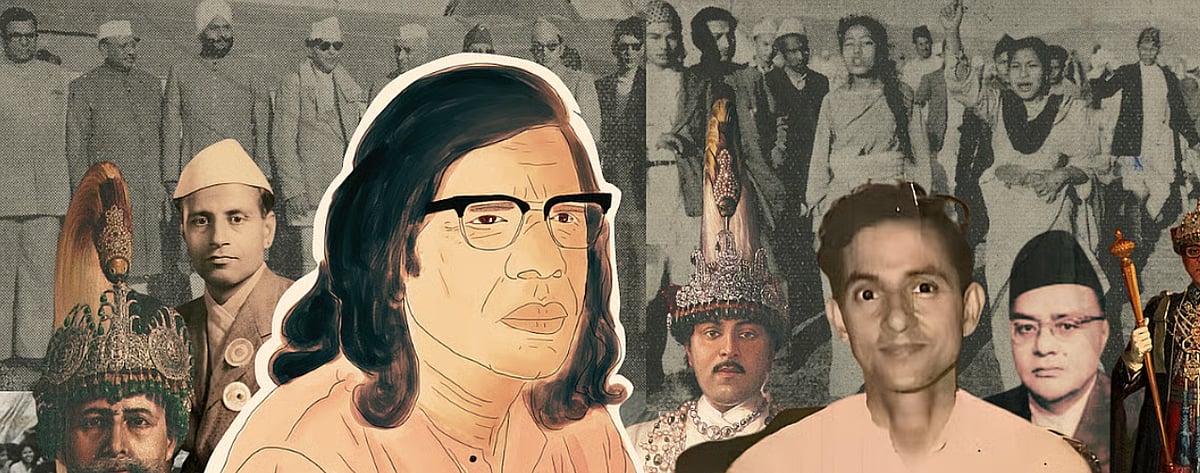
Ratik Ashokan translates Hindi writer Phanishwar Nath Renu’s ‘Nepali Kranti Katha’ a rare account of the 1950-1951 Nepal Revolution, the autocratic Rana regime and the first democratically elected prime minister of Nepal, B P Koirala.
This Monday, we co-hosted a translators masterclass featuring Armory Square Prize for South Asian Literature in Translation winner Sana R Chaudhry, online now in case you missed it!
Also read: In Bangladesh, a centrist reset and an Islamist breakthrough
Also read: Irfan Habib & Harsh Mander on the decay of socialism and secularism in India
This week in Southasia
Hype vs reality at India’s AI Summit
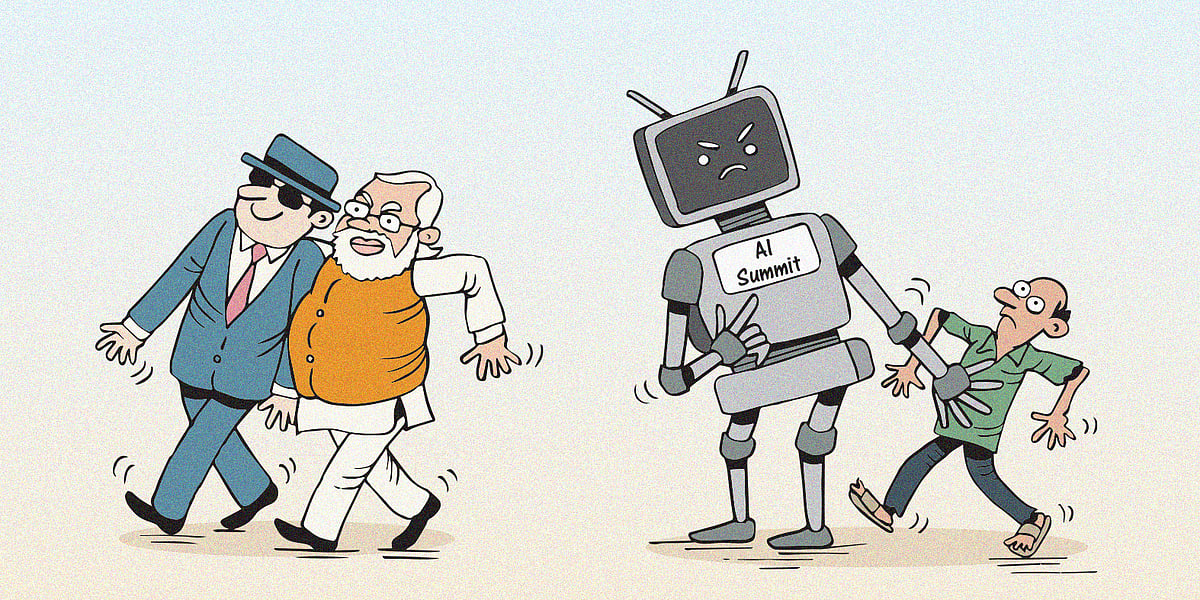
On 16 January, New Delhi hosted an international summit on artificial intelligence. While the event kicked off with much fanfare, it struggled to match its lofty rhetoric. Summit attendees, including the heads of Indian AI startups, reported being unable to enter the venue for long hours, poor internet connectivity and no digital payments, and in one case having patented wearable technology stolen during security sweeps. Emmanuel Macron, the French president, was in attendance, but he had other, bigger business on the trip: selling USD 40 billion of Rafale fighter jets and maritime patrol aircraft.
While the event was touted as an opportunity to showcase India’s homegrown AI solutions, including from its army, less discussed was the systemic exploitation of low-paid Indian workers who manually categorise the vast data needed to train AI tools. There was also strategic silence around news that hundreds of India’s AI startup founders are moving to the United States to have better access to users, talent and funds. And the event came under added scrutiny for inviting the Microsoft co-founder Bill Gates to deliver a keynote speech despite recent revelations linking him to the notorious sex-trafficker Jeffrey Epstein after the latter’s 2008 conviction for soliciting sex from a minor. Gates was hastily scrubbed from the list of participants, and cancelled his keynote speech due to backlash. Add to that the fiasco of an Indian university passing off a Chinese-made robot as the result of its own research.
As with many of the Indian government’s efforts on the global stage, reality proved less rosy than PR.

Elsewhere in Southasia:
- Sri Lankan parliament votes to eliminate lawmaker’s pensions, fulfilling campaign promise by the National People’s Power government in the wake of the 2022 economic crisis
- Multiple explosions and police standoff with militants leave 12 people, including a child, dead in Khyber Pakhtunkhwah, Pakistan
- Iran rescues 300 Afghan migrants who entered the country in cold weather and plans to hand them over to Afghan authorities, UN flags impending humanitarian crisis due to large influx of refugees into Afghanistan
- Sri Lankan leftist Lanka Sama Samaja Party leader Tissa Vitarana, key contributor in 2006 report to develop a political solution to Sri Lanka’s civil war, dies at age 91
- Taliban government releases three Pakistani soldiers detained since October 2025 due to Ramadan, despite ongoing tensions between the two countries
- Ten-month-old baby from Kerala, India becomes youngest organ donor in the state after losing her life in a car accident, saves four people
- Myanmar junta chief Min Aung Hlaing visits Sagaing region, largely held by anti-junta groups, signalling plans for military operations in the region
- Founder of Indian news website Newsclick, Prabir Purkayastha, fined INR 1.84 billion rupees (over USD 20 million) by Indian intelligence agency for violating Foreign Exchange Management Act
- India’s National Green Tribunal greenlights large infrastructure projects on Great Nicobar Island, despite reports of clearfelling trees and pushback from Nicobarese indigenous people
- Myanmar expels East Timor representative over war crimes case lodged against junta
- Maldives’s President Mohamed Muizzu calls for public referendum on holding presidential and parliamentary elections concurrently
Revisit the below archival stories from Himal adding more context to this week's news updates from India and Sri Lanka
Also read: Vauhini Vara on big tech and our digital selves: Southasia Review of Books podcast #27
Also read: Prabir Purkayastha’s fight against two Emergencies in India – under Modi and Indira Gandhi
Also read: The human dimension to Sri Lanka’s economic crisis
Also read: State of Southasia #13: Pankaj Sekhsaria on India’s Great Nicobar misadventure
Snap Southasia
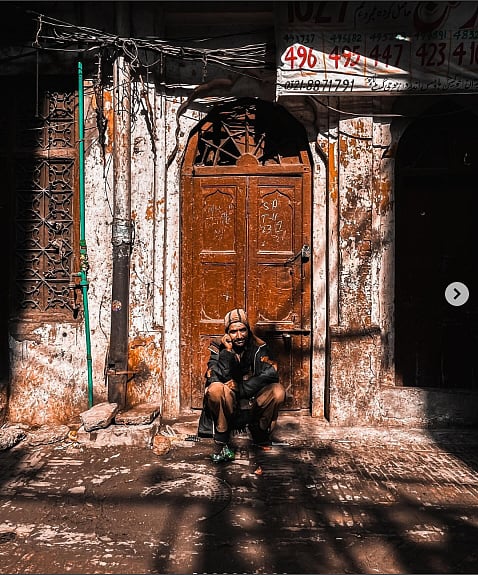
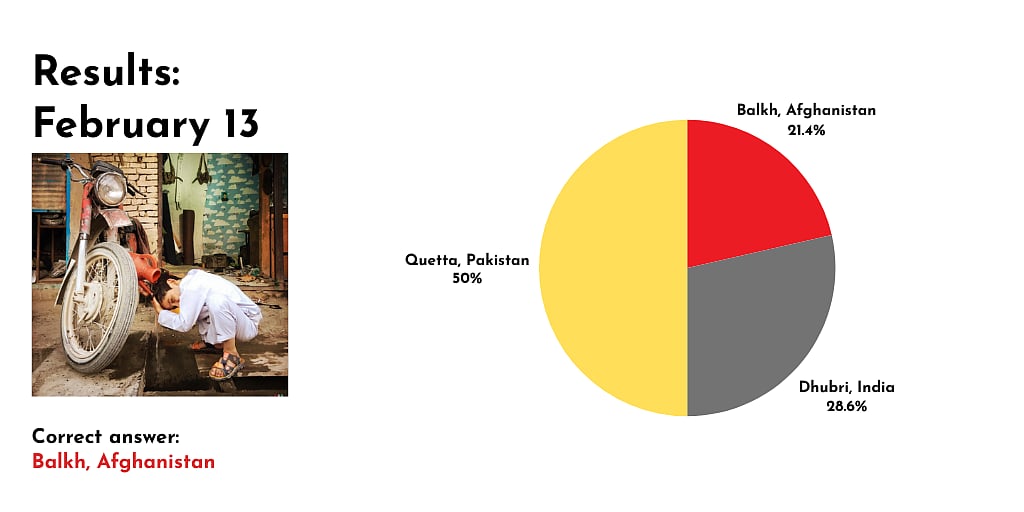
Where in Southasia was this photo taken? Click on your guess below (and check back in next week to see if you were right!)
Srinagar, India-administered Kashmir