
This week in Himal
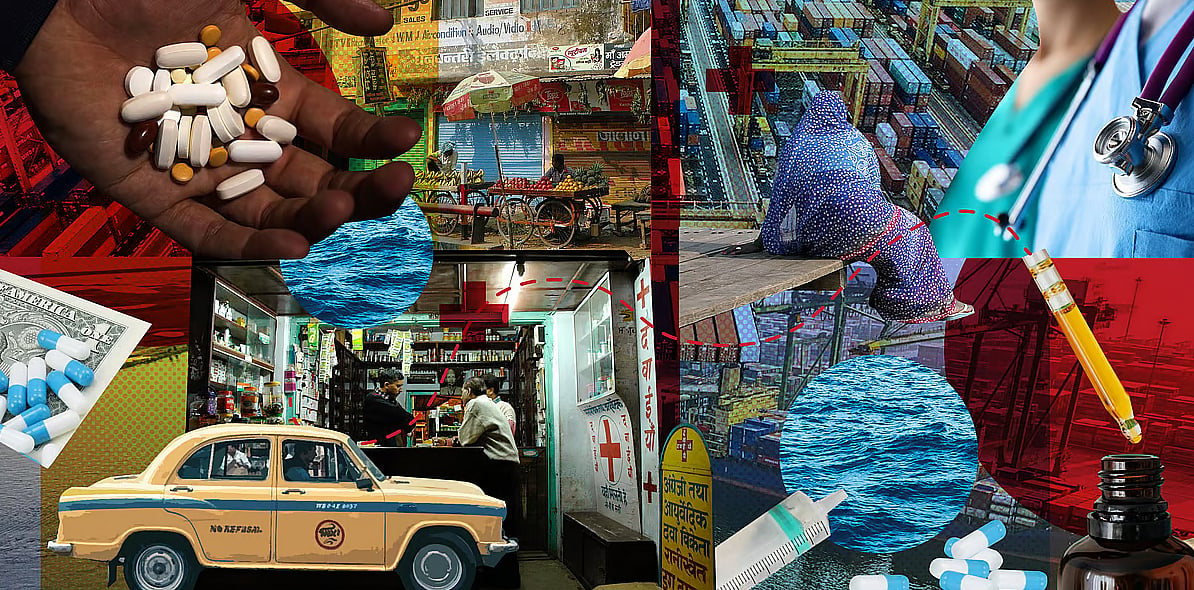
This week, Vidya Krishnan and Arshu John write about serious lapses in India’s drug regulatory powers that lead to substandard drugs being made and released to the market. Compounded by lax laws and loopholes, these drugs leave patients across Southasia and the world at risk – the second story in our investigative series on Southasian pharmaceuticals called ‘Pills, Perils, Profits’.
For the next episode of the State of Southasia podcast, host Nayantara Narayanan speaks with development economist Jayati Ghosh about the impact of the US executive order freezing foreign aid - and how Southasia can move beyond aid dependency.
We’re on the lookout for a Social media and Editorial intern! If you want to help power our coverage of the region, click here for more details on how to apply.

Also read: Trump’s approach to Southasia bolsters China’s regional sway
Also read: The massive failures of India’s drug regulatory system
This week in Southasia
Jaffar Express hijacking revives attention on Balochistan
On 11 March, the Jaffar Express train was attacked as it was on its way to Peshawar, with 27 hostages and one paramilitary officer killed. The separatist Balochistan Liberation Army has claimed responsibility for the attack. Pakistan’s security forces said all 33 of the attackers were killed during rescue operations. Eyewitnesses said the attackers checked passengers’ identity cards, removing Punjabi passengers and those suspected of being in the military and executed them. While militants have repeatedly attacked the Jaffar Express as it is commonly used by security personnel (with separatists blowing up part of the rail track in August 2024), this is the first time an entire train has been hijacked.
The BLA gave the Pakistan government a 48-hour ultimatum after hijacking the train, demanding the “unconditional release of Baloch political prisoners, forcibly disappeared persons and national resistance activists.” The attack has revived attention on Pakistan’s struggle to contain violence from Baloch separatists and Islamist militancy in Balochistan, with the Pakistan state periodically announcing new counterterrorism initiatives instead of recognising the legitimate grievances of Balochs around extrajudicial killings, enforced disappearances and the exploitation of natural resources in Balochistan. This has led to China gaining a foothold in the region, with Chinese workers in Pakistan also targeted in separatist attacks.
Elsewhere in Southasia
- Evidence of systematic government efforts to cover up medical records and hide bodies of missing protesters during the July uprising in Bangladesh so they can never be found again, the Daily Star reports
- Suspect who allegedly raped a female doctor at the Anuradhapura Teaching hospital in northern Sri Lanka has been arrested, raising discussion on gender-based workplace harassment and sexual violence in Sri Lanka
- Pakistan orders Afghan migrants to leave the country by 31 March, continuing its second phase of mass deportations of Afghan refugees since late 2023. Those who remain after the deadline will face forced deportations.
- Maldivian President Mohamed Muizzu vetoes and returns the amendment bill to reduce the size of the Supreme Court bench back for reconsideration after the attorney general’s said that removing two justices based on a retroactive determination of misconduct conflicts with the constitutional provision on impeachment
- Thousands of pro-monarchy supporters march in rallies to meet Nepal’s former king Gyanendra Shah in Kathmandu, amidst rising dissatisfaction over the state of the country and incompetence of Nepal’s politicians
- Tibetan protesters clashed with police outside the Chinese Embassy in New Delhi on the day marking the 1959 Tibetan uprising against Chinese rule
- Advocacy groups call on the United Nations to investigate their special envoy to Myanmar, Julie Bishop, over alleged ties between her consulting firm and Chinese mining and construction companies
- Indian conglomerate chairman Mukesh Ambani signs deal with Elon Musk’s SpaceX to bring Starlink satellite internet services to India, a month after Musk met Prime Minister Narendra Modi in the US
- Maldives government in discussion with China to install data-collection devices on fish aggregating devices in the Indian Ocean amidst downturn in the Maldivian fishing industry
- Head of Myanmar’s junta regime says elections will be held in December 2025 or January 2026; rights watchdogs note the junta does not hold enough territory to hold elections, raise concerns about election legitimising military control
Only in Southasia!
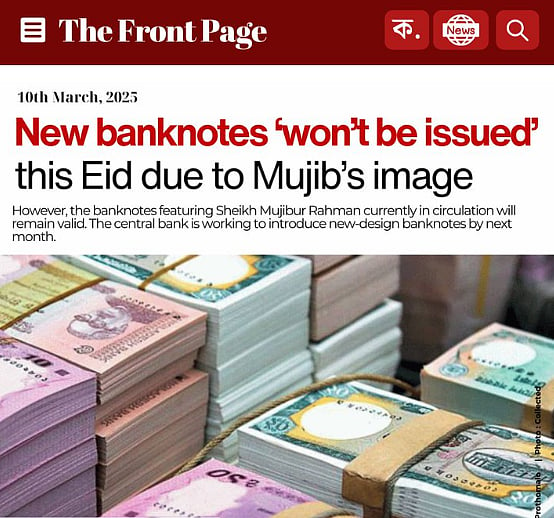
Eid festivities will be different in Bangladesh this year due to a currency conundrum, as Bangladesh’s central bank has not been able to issue new currency notes without the portrait of former president Sheikh Mujibur Rahman. On 9 March, Bangladesh Bank issued a directive suspending the exchange of fresh notes ahead of Eid-ul-Fitr. New designs will only be introduced in April or May, a spokesperson for Bangladesh Bank said. The situation reflects the state of flux Bangladesh has remained in since the fall of Sheikh Hasina’s regime. Unfortunately, this means the practice of salami (collecting new banknotes along with blessings from elders for Eid) might be interrupted this year. Given the situation, we at Himal would like to suggest not enshrining political leaders on currency in the first place!
From the archive
In Balochistan, Pakistan again tries to find a military solution to a political problem (July 2024)
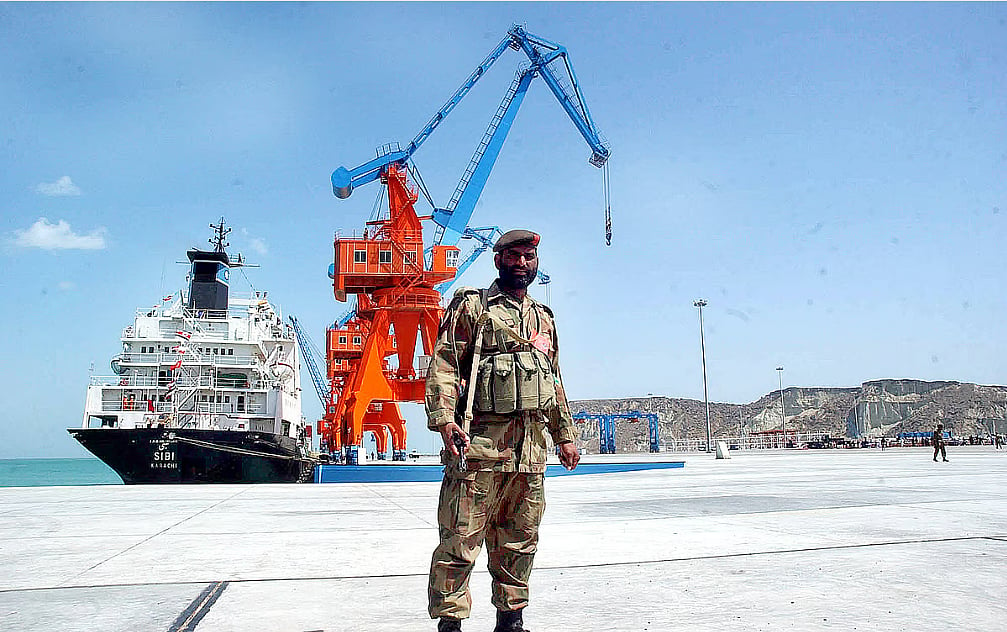
This week, the hijacking of the Jaffar Express dominated headlines, bringing fresh attention to the region of Balochistan. Salman Rafi Sheikh’s article from July 2024 makes relevant reading. He writes that Pakistan’s government continually focuses on counterterrorism operations to combat militancy in Balochistan, instead of addressing legitimate Baloch grievances through constitutional means.