
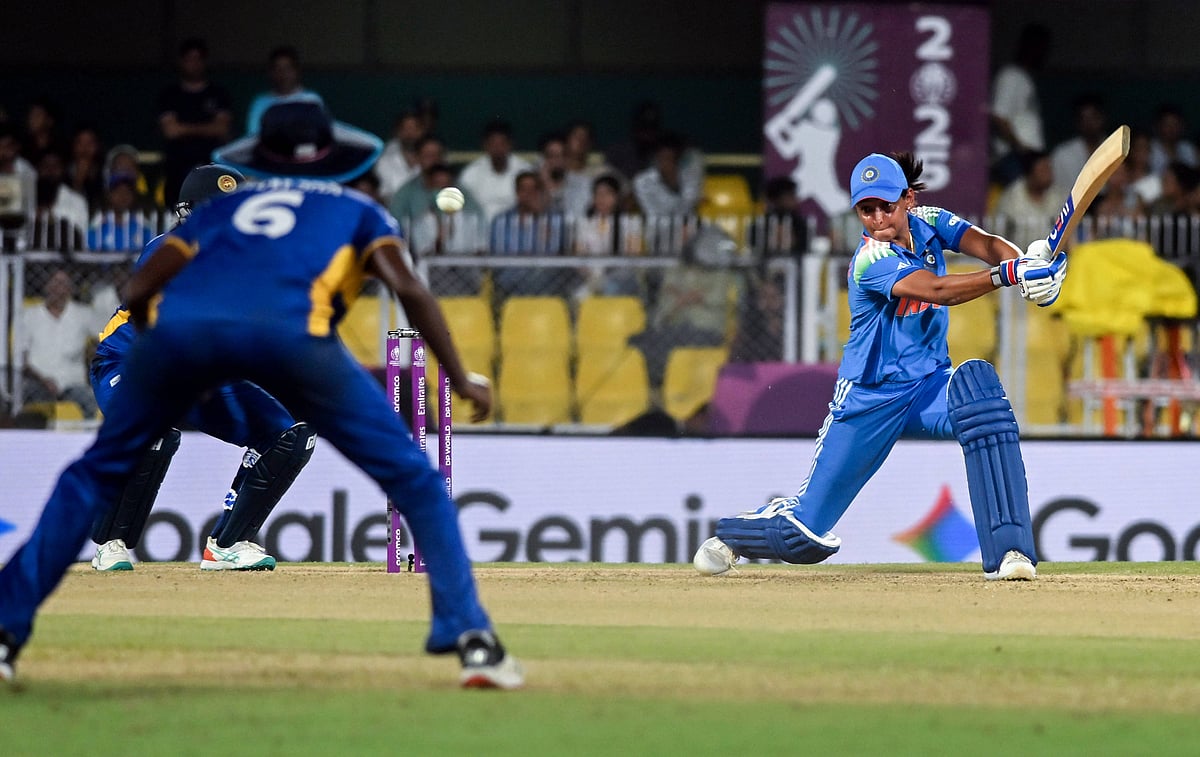
In 1997, a young Jhulan Goswami made her way to the Eden Gardens cricket ground in Calcutta as a ball girl for the World Cup final between Australia and New Zealand. Watching from the boundary, she was captivated by the intensity of the game. She was particularly taken with the Australian medium-pacer Cathryn Fitzpatrick, whose deliveries left a searing mark on the teenager’s mind and eventually pushed her to take up fast bowling at one of Calcutta’s many cricket academies.
India might not have won that World Cup, but the tournament inspired someone who would go on to be described as “the fastest bowler in women’s cricket.” Playing for India, Goswami would also go on to take more wickets than anyone else in women’s One Day International (ODI) cricket. Countless girls like her would have watched the 1997 tournament in stadiums and on television, then gone to sports shops to buy (often their first) cricket bats and balls. Dozens like her would have harangued their parents to let them play cricket with the boys. And so, a new generation of women cricketers was born, inspired by watching other women play serious, competitive cricket for all the world to see.
Read any personal account of a Southasian cricketer’s life and you will find that their earliest and fondest cricket memories often come from playing in the streets. The Indian offspinner R Ashwin, in his memoir I Have the Streets: A Kutti Cricket Story, describes his relationship with street cricket, which he continued to play even after making it to the big leagues and national selection.
This kind of free, untempered relationship with the “outside” world doesn’t exist for most women who play cricket, especially in Southasia. You will be hard-pressed to find a girls’ cricket game in streets, local parks and maidans across the region, even as boys’ games abound. Confined to sports academies and chaperoned by worried parents, young girls must contend with being coached into the game rather than playing it in the gullies and backyards of their hometowns.