
This week in Himal
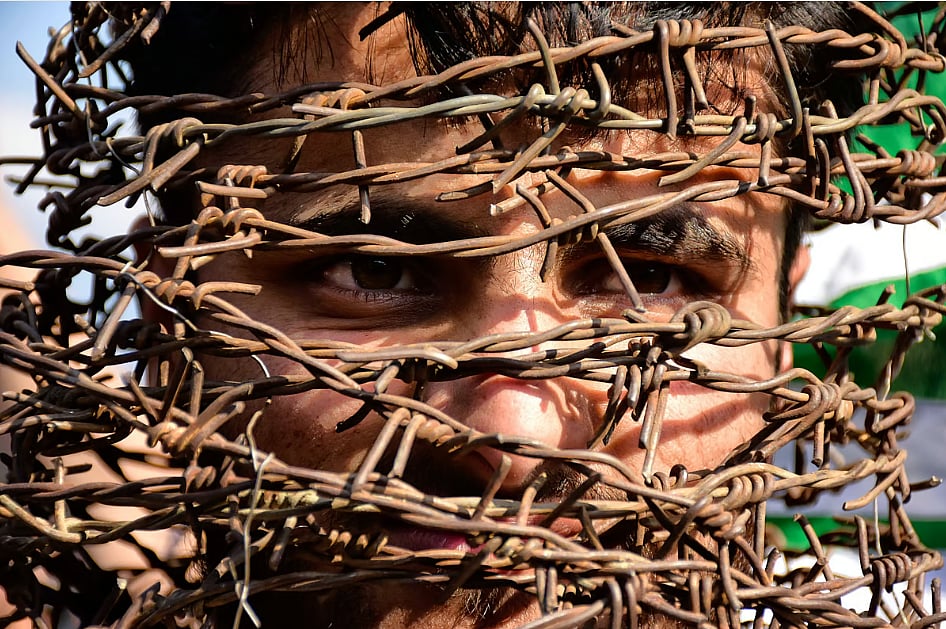
This week, Burhan Majid writes that India’s left liberal elite have worked to obscure Kashmir’s assertion of political rights and autonomy through a focus on ‘peace’ and ‘development’, mirroring the Bharatiya Janata Party’s justification for abrogating Article 370.
We also launched an investigative series on Southasian manufacturing and exports this week titled ‘Pills, Perils, Profits.’ Check out the first article on deadly Indian cough syrups and disparities in drug regulation by Vidya Krishnan and Arshu John!
For the next episode of the Southasia Review of Books podcast, host Shwetha Srikanthan speaks with Mohamed Shafeeq Karinkurayil about The Gulf Migrant Archives in Kerala: Reading Borders and Belonging, a book which studies Gulf migrant archives in Malayalam through photographs, films and literature.
There’s just one month to submit your speculative fiction for Fiction Fest 2025! More details here.

Also read: The paradox of Indian liberal thought on Kashmir and Article 370
Also read: How the WHO leaves poor countries exposed to dangerous Indian drugs
This week in Southasia
Pakistan-Afghanistan tensions heighten after crossfire at Torkham border crossing
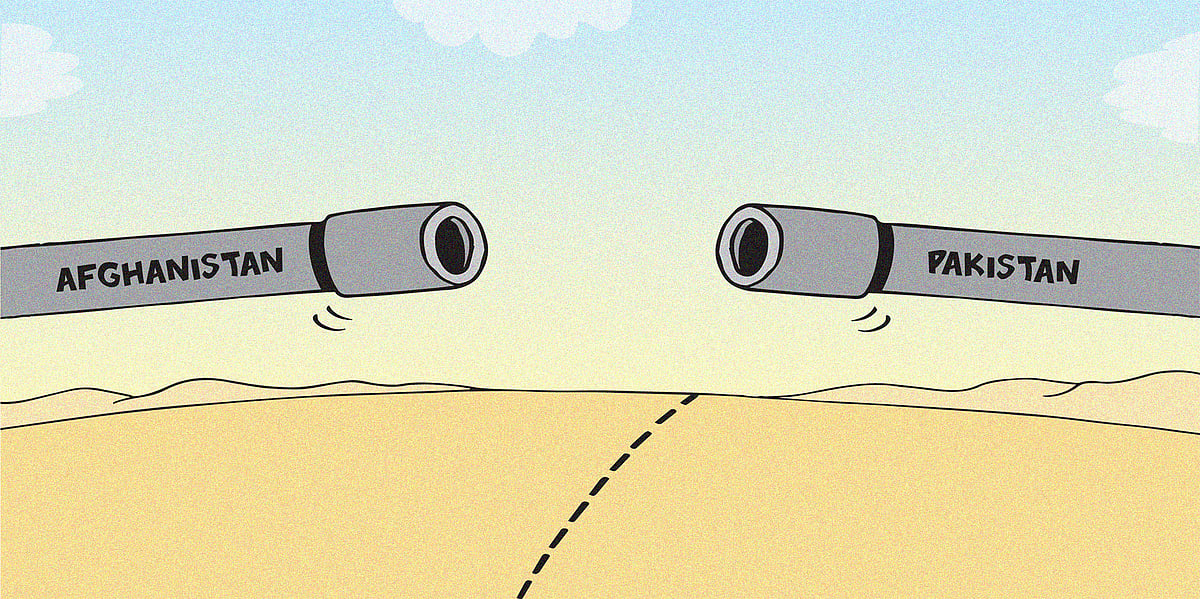
Tensions between Pakistan and Afghanistan rose again this week as security forces from both countries traded fire at the Torkham crossing, a vital transit point that has been closed since 21 February after the Taliban began constructing a border post. At least one person was killed and several members of security personnel on both sides were injured in the clash, leaving thousands of residents fleeing. The week-long closure of the border has caused billions of rupees worth of losses and has disrupted crossborder trade and other activities.
The Torkham border crossing has become a flashpoint signifying rising tensions between Pakistan and Afghanistan - in 2024, the border was closed after Islamabad announced that Afghan drivers would need visas to cross the border, while the Chaman-Spin Boldak border crossing was closed earlier for the same reason. Islamabad has accused the Taliban of allowing cross-border militancy to continue unchecked. In addition to visa restrictions, Pakistan has been deporting Afghan refugees since November 2023. This week, US President Donald Trump thanked Pakistan for helping to apprehend a commander linked to the Islamic State-Khorasan, said to be linked to a suicide bomb attack at Kabul airport in 2021 - signalling that despite lukewarm political relations, collaboration on counterterrorism efforts between the two countries remains strong.
Elsewhere in Southasia
- Maldivian Justice Husnu Suood resigned from the Supreme Court, accusing President Mohamed Muizzu’s administration of blocking the pending judgement on the anti-defection case and intimidating all seven justices
- Myanmar’s military chief signs pact on developing nuclear power with Russia and voiced support for Moscow’s invasion of Ukraine as they are a crucial arms supplier to the junta, who has struggled to suppress armed resistance since seizing power
- US President Donald Trump announced that reciprocal tariffs on India would take effect on 2 April in his address to Congress, echoing comments he made during Prime Minister Narendra Modi’s visit to Washington last month
- Bangladeshi students who led protests to overthrow Sheikh Hasina last year have launched a political party, Jatiya Nagorik or National Citizens’ party, before elections expected to be held next year
- 14.8 million people in Afghanistan are facing food insecurity and hunger as Ramadan begins, the United Nations Office for the Coordination of Humanitarian Affairs said in a report
- Former Sri Lankan president Ranil Wickremesinghe dodges questions on accountability for Easter Sunday suicide bomb attacks and unlawful detention, torture and killings in the late 1980s when he was a minister in heated interview for Al Jazeera
- India may soon allow a representative appointed by the Taliban to head the Embassy of Afghanistan in New Delhi without granting them diplomatic status – another move by India to step up engagement with the Taliban amid tensions with Bangladesh and Pakistan
- Nepali police arrests Rupesh Mandal, prime suspect in the gang rape and death of 17-year-old Rinku Sada. Mandal has been on the run since the incident garnered media attention.
- Sri Lanka expresses regret on its inconsistent application of human rights principles at the United Nations Human Rights Council, with hundreds of Tamil activists gathered outside the UN in Geneva demanding justice for rights violations, war crimes committed during Sri Lanka’s Civil War
- The first Bhutan-India railway link connecting Kokrajhar town in western Assam to Gelephu town near the border has been finalised and submitted for approval, bolstering trade and tourism opportunities as well as economic growth and regional integration
Only in Southasia!
This week, we’re sharing a submission sent in by one of our readers, Prateek Gupta (Thanks Prateek!)
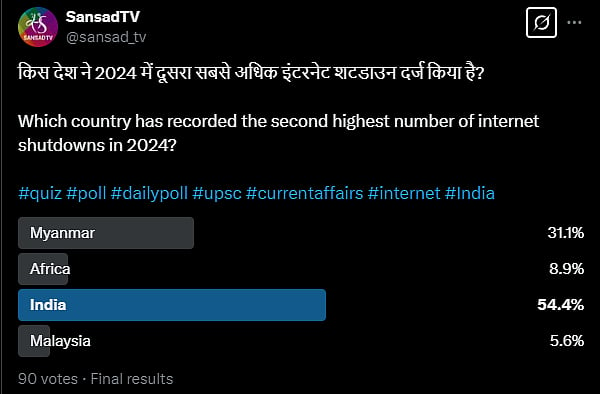
Everyone is racking their brains on how to engage readers on social media - apparently SansadTV, India’s official Parliamentary channel is no exception. They decided to use a quick and easy engagement strategy - Twitter (now X) polls. However, their choice of question was interesting. SansadTV asked their followers which country had recorded the second highest number of internet shutdowns in 2024. And yes, the answer was India, with the other options being Myanmar, Africa and Malaysia. We’re glad that India’s parliament finds a silver medal on online censorship worth celebrating.
From the archive
Taking the zenana to the streets (March 2020)
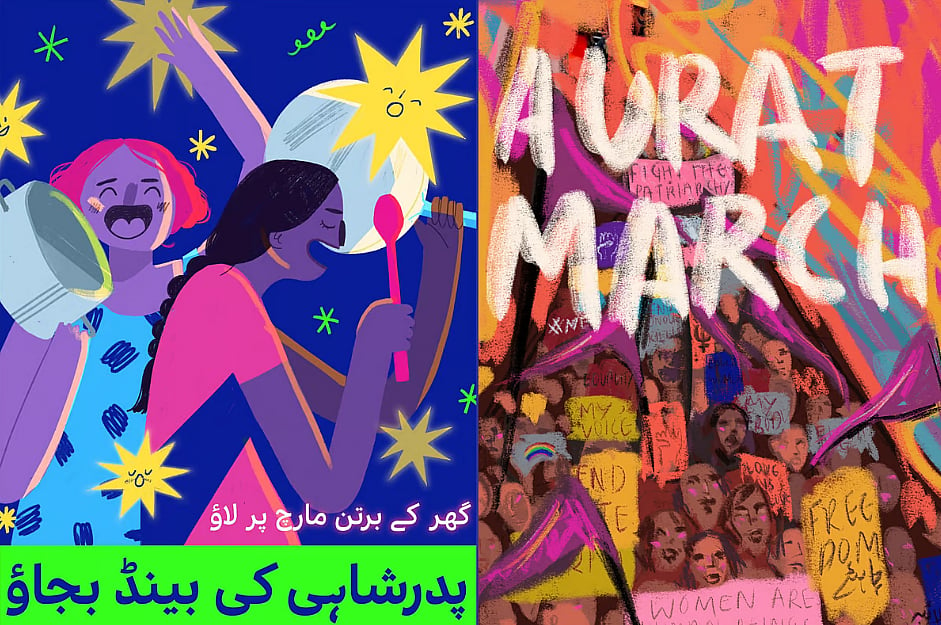
8 March marks International Women’s Day, and in Pakistan, usually coincides with the Aurat March. Enum Nasser’s article from 2020 discusses how the Aurat March has questioned motherhood and the private domain in Pakistan through the bold placards carried by participants, laying bare the injustices that take place in Pakistani households.