
This week at Himal
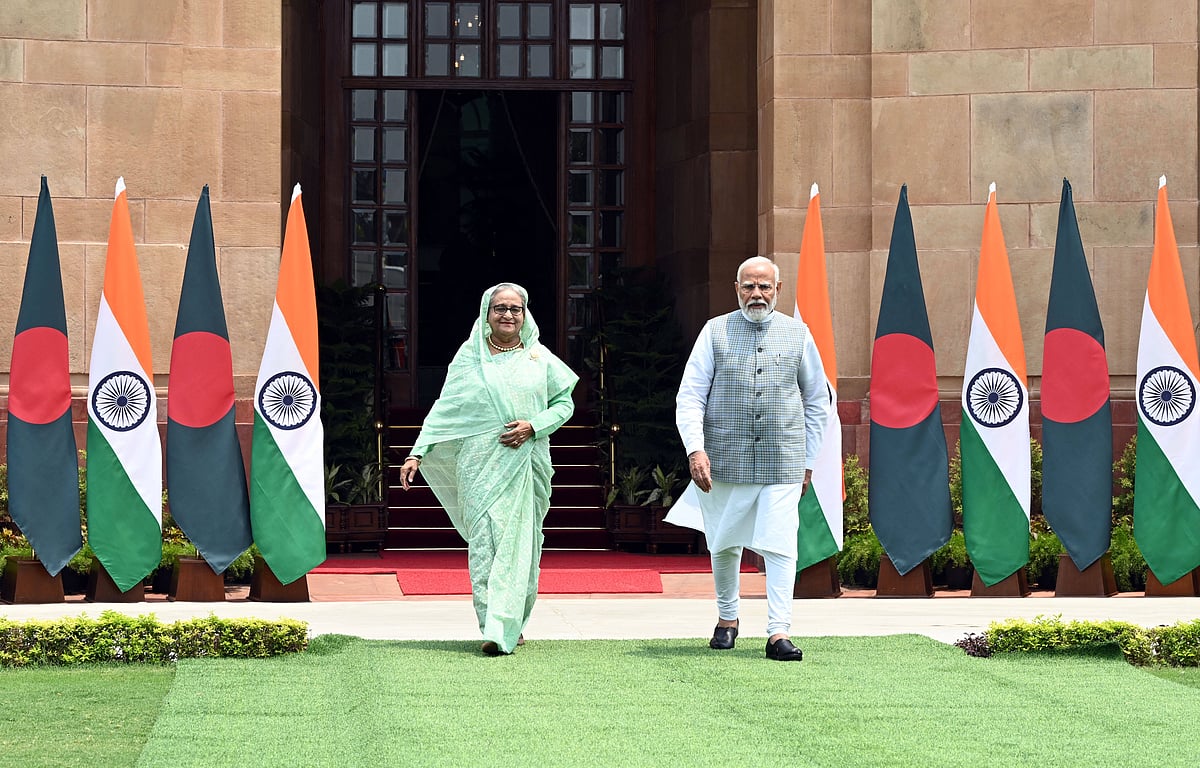
Kamal Ahmed unpacks Sheikh Hasina’s hasty exit to Delhi, which only underscores the Modi government’s close ties with her regime. The Indian government must now reckon with Bangladesh’s anger for their unwavering support, even as countries like China, Russia and the US rush to reassess their approach.

In the latest episode of the Southasia Review of Books podcast, host Shwetha Srikanthan talks to Neha Dixit about her debut non-fiction book “The Many Lives of Syeda X: The Story of an Unknown Indian”. They discuss the story of Syeda, a working-class Muslim migrant woman, and how her journey mirrors India’s broader trajectory and struggles with income inequality and Hindu majoritarianism, Neha’s own experience of being targeted for her work, the corporatisation of Indian media and more.
Also read: New Delhi faces the gravest geopolitical fallout from Sheikh Hasina’s exit
This week in Southasia
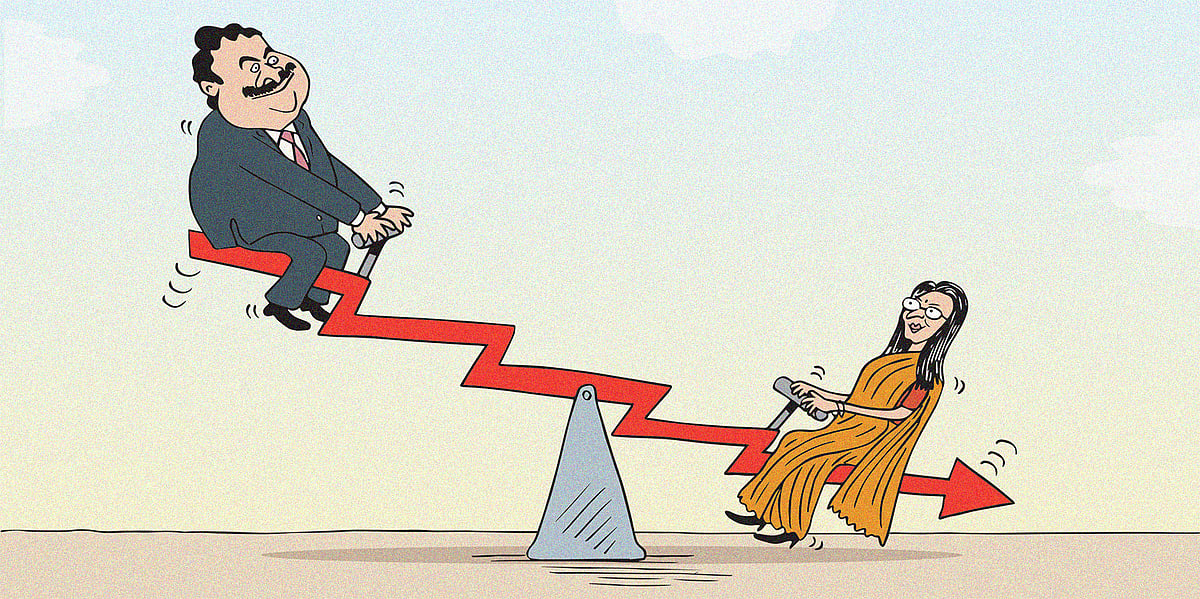
India's securities regulator in the spotlight after explosive revelations from Hindenburg Research
This week, an explosive report from investment research firm Hindenburg Research revealed that the current chair of India’s Securities and Exchange Board, Madhabi Buch, held hidden stakes in offshore shell entities used by businessman Vinod Adani in an alleged money-siphoning scheme. Weeks before being appointed SEBI’s Chairman, Madhabi Buch’s husband Dhaval transferred these assets (totalling USD 872,762, or INR 730 lakhs) to himself. Yet Madhabi Buch continued to write to fund administrators to redeem funds in her husband’s name. Separately, Madhabi Buch held 100% shareholdings in an offshore Singapore consulting firm called Agora Partners, transferring the shares to her husband only after her appointment as SEBI’s chairman. The Buchs have both denied all allegations.
Over a year since Hindenburg Research’s first reports revealed the Adani group was using offshore shell companies for undisclosed related party transactions and investments and stock manipulation, SEBI has taken no public action against the Adani Group. The new allegations imply that this may be because SEBI’s chairman is complicit in using the same funds despite the existence of thousands of mainstream, reputable Indian mutual funds. These findings raise serious questions about conflicts of interest and regulatory capture at the highest levels of India's securities watchdog.

Elsewhere in Southasia 📡
- Doctors in India strike and thousands of women march in protest over the rape and murder of a trainee doctor while on shift at a Kolkata hospital, demanding justice and better workplace security measures. The death revives conversations around violence against women including healthcare workers
- Bangladeshi court opens murder investigation into former prime minister Sheikh Hasina and six top figures from her government, the first of more legal cases that are expected to be filed against her
- Pakistan arrests former head of Inter Services Intelligence agency Faiz Hameed over land development case, potentially due to close ties with detained ex-prime minister Imran Khan
- Three Afghan civilians, a woman and two children, killed in border clash between Pakistan and Afghanistan, a Taliban spokesman said.z
- Hundreds of Rohingya, including women and children killed by drone strikes as they were fleeing violence in Myanmar’s western Rakhine state. Thousands attempt to cross into Bangladesh, while junta prevents young adults from leaving the country via Yangon’s international airport. UN warns of ‘alarming’ rise in crimes against humanity
- Sri Lanka will have 40 candidates for the upcoming presidential election on 21 September
- Record rainfall results in flooding, building damage, temporary relocation of five families and transportation disruptions in the Maldives’ capital city Malé, health protection agency urges precaution against spread of mosquito-borne diseases.
- Nepal’s parliament passes bill that will address the enforced disappearances allegedly perpetrated by state forces that occurred during the civil war.
- Bhutan’s timber exports see significant uptick thanks to increased demand by Indian markets as there is a shortage of suppliers in India
Only in Southasia
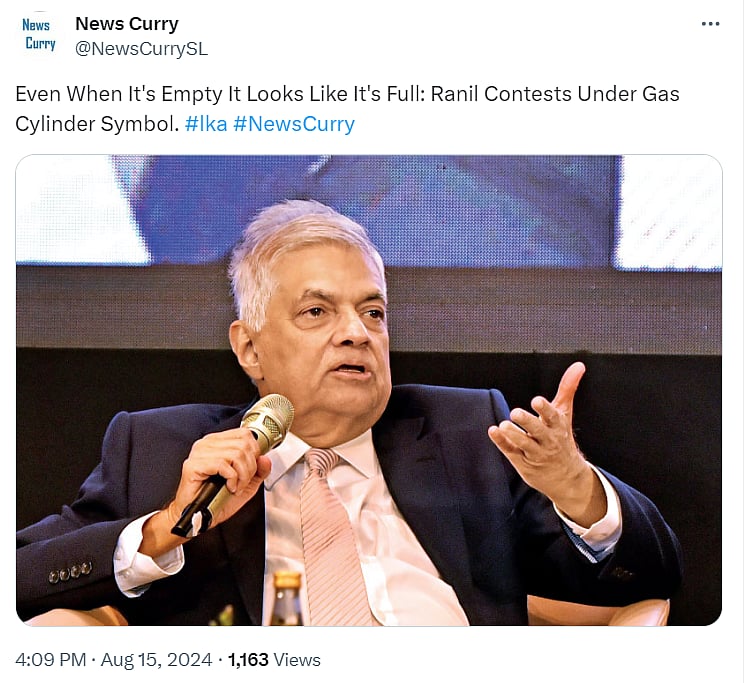
In Sri Lanka, a record 39 candidates successfully filed nominations to contest the upcoming presidential elections, slated to be held on 21 September. With all these candidates comes a dizzying variety of party symbols. Current president Ranil Wickremesinghe grabbed attention with his choice: a gas cylinder. It was a not-very-subtle reminder of Sri Lanka’s 2022 economic and political crisis which led to him being appointed president, and his subsequent negotiations with the IMF to secure a bailout and end the shortage of essentials. The announcement drew amused reactions on social media, with some pointing to the canniness of his move while others pointed out that like a gas cylinder, the president could also, on occasion, be full of hot air.
Got a meme or satirical post you'd like to share? Send it to us here.
From the archive
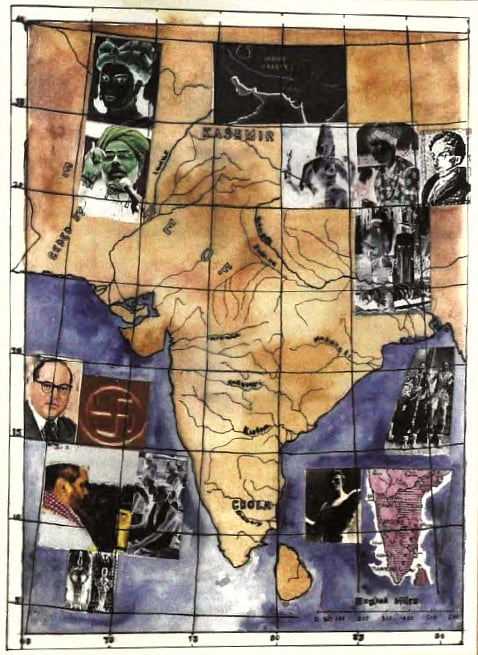
The pursuit of the Southasian past (July 2008)
August 15 marks 78 years since Partition and the formation of India and Pakistan.In light of this, Romila Thapar’s article is worth re-reading. Thapar suggests that the past has to be revisited and looked at with a fresh perspective, moving beyond the colonial-era understandings of the Subcontinent’s history. This would require examining social, cultural and religious issues that shaped the Subcontinent’s history, rather than a simple examination of political or economic issues.