
This story is published in collaboration with Zan Times, a women-led investigative newsroom that covers human rights in Afghanistan, with a focus on women and the LGBTQ community.
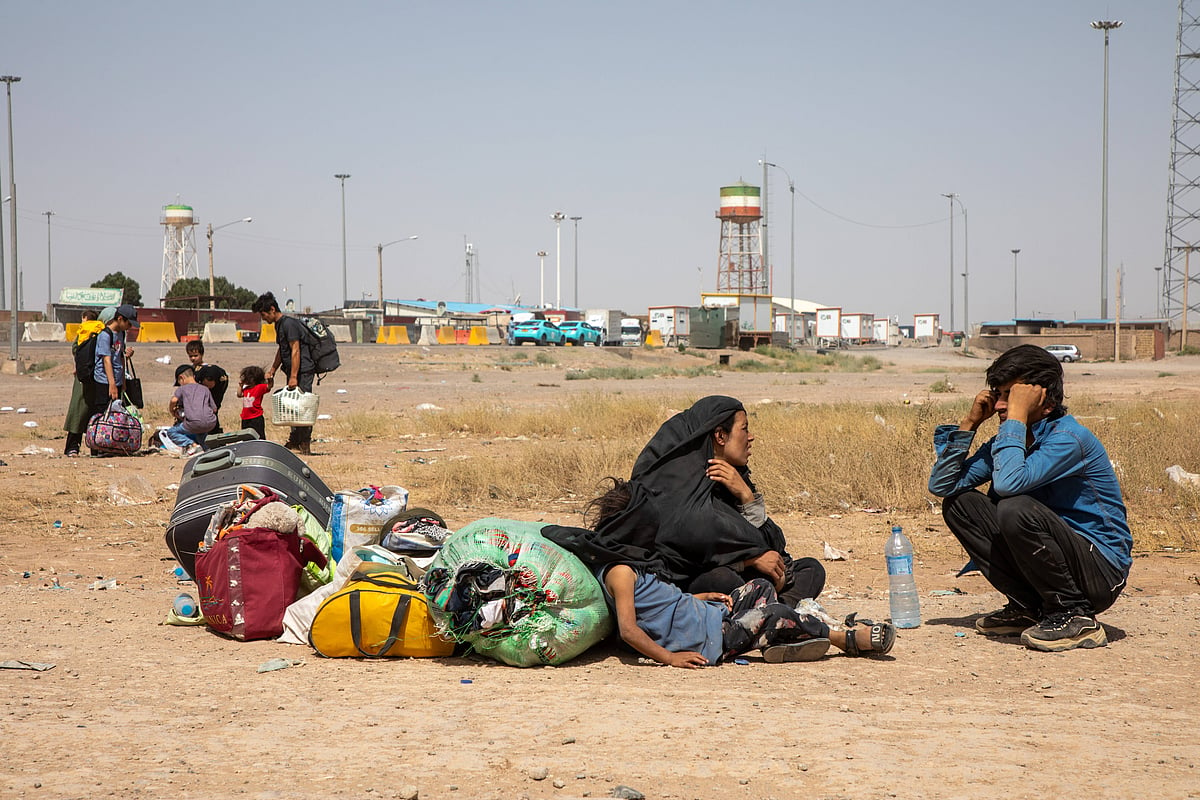
IN THE EARLY HOURS of 30 June 2025, Shir Mohammad woke up to the sound of Iranian police kicking in his door. “They stormed the room, beat us with their boots, and dragged us outside without warning,” he recalled, standing in a dusty refugee reception centre in the border town Islam Qala in Afghanistan’s Herat province. Mohammad had crossed into Iran from Baghlan province in northeastern Afghanistan ten months earlier, fleeing the economic collapse that followed the Taliban’s takeover in 2021. Like millions of others, he hoped to find work in Iran and send money home. Instead, he was detained, abused and deported with empty hands.
Since March 2025, more than 717,000 Afghan refugees and migrants have been forcibly deported from Iran, according to Iranian officials. The Afghan arm of the International Organization for Migration says the total number of people deported in 2025 has already crossed one million. The campaign has intensified in recent months, targeting undocumented Afghans and also those holding temporary census slips that granted them recognition of their refugee status and access to essential services, which were abruptly cancelled by the Iranian government.
Accounts from Afghan returnees reveal a pattern of systematic abuse, detention without due process and torture while in custody. Among those deported are women who were the sole providers for their families or were travelling alone, and who face an impossible situation in Afghanistan. Upon return, they are subject to the Taliban’s edicts that restrict their freedom of movement without a mahram (a close male relative), cannot receive higher education and cannot work outside their homes.