
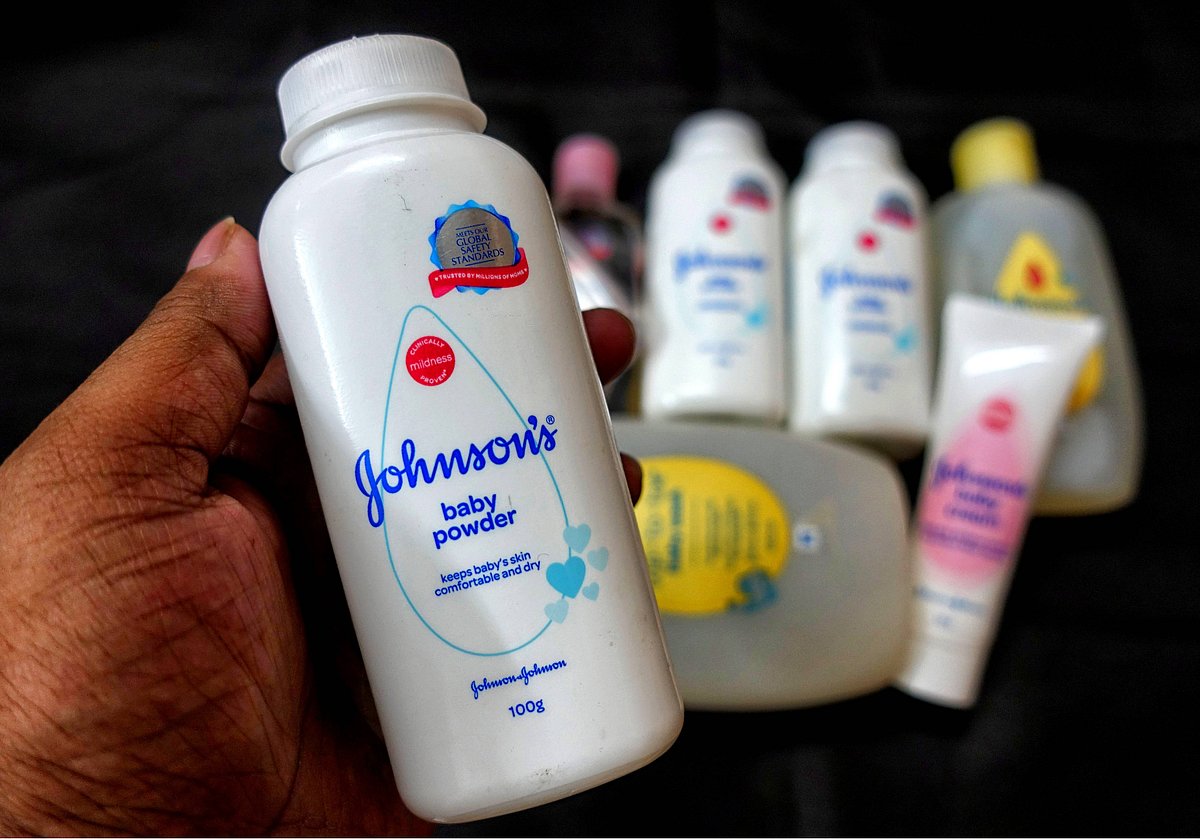
IT IS A MARKETING STORY for the ages. In 1918, the American pharmaceutical giant Johnson & Johnson (J & J) launched the largest advertising campaign in its history to promote its baby powder. The campaign was so successful that, more than a century later, the J & J brand still instantly evokes images of infant care and remains widely trusted.
At least since the 1970s, however, the company knew that the talc used in its baby powder was contaminated with trace amounts of asbestos, a known carcinogen. Yet the product was only pulled from the shelves in the United States and Canada in 2020, and across the world in 2023.
A similar pattern of concealing critical information extended to several other drugs and medical implants the company produced. The number of patients who have died over the years as a direct result is estimated to exceed two million. What makes J & J’s story so complicated is that, amid this, many of its products are truly lifesaving, including medicines for HIV, cancer and rheumatoid arthritis.
In The Dark Secrets of Johnson & Johnson, the New York Times pharma reporter Gardiner Harris provides a sweeping account of the company’s origins and global impact since the late 1800s, told primarily from an US-centric perspective. Another recent book that scrutinises the company’s operations and impact is The Johnson & Johnson Files: The Indian Secrets of a Global Giant, by the Indian Express journalist Kaunain Sheriff M. This focuses on J & J’s faulty hip implants in India, documenting heartbreaking testimony from patients whose lives were upended by them.