
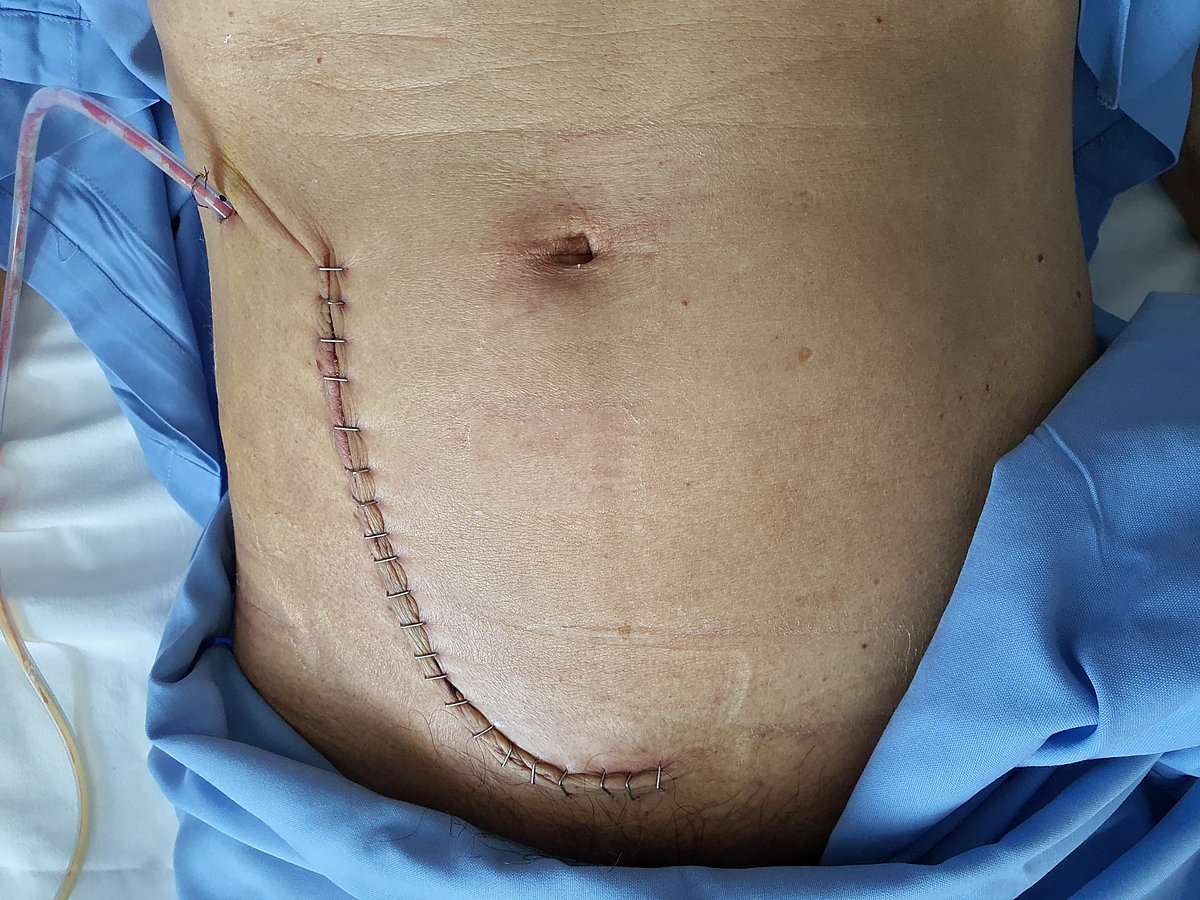
Twenty-six-year-old Mizanur Rahman was desperately looking for a way to settle debts he had incurred while buying a small piece of land in Bagoil, a village in Joypurhat district in the north of Bangladesh. It had been three years, and the loan sharks who had lent him 10,000 taka (USD 130) three years ago were now asking for more than three times as much, some USD 418. Mizanur is a farmer with a two-year-old son and a wife to take care of, and he wanted to get rid of his debts so that his family would not have to deal with them. He heard that his neighbour had earned some quick cash by donating one of his kidneys – a man named Golam was brokering kidney transplant in his village. 'You will not even realise that you had a surgery,' he had told Mizanur. So, on 3 August, Mizanur went to a Dhaka hospital and gave away one of his kidneys; in return, he was paid USD 1830.
In so doing, Mizanur also joined a group of at least 200 Joypurhat district villagers who have illegally sold their kidneys. Like Joypurhat, impoverished villagers from other parts of Bangladesh's northern areas have been lured by hefty sums of money to give away their kidneys and other organs. In September, Bangladeshi law enforcement arrested six members of a network – thought to be the first of its kind in the country – that was illegally trading human organs inside Bangladesh and abroad.
The black market for human organs has recently been recognised as a growing problem across the world. Poorer countries are seen as particularly vulnerable, however, with Bangladesh and India having become particular countries of concern. In 2007, the World Health Organisation (WHO) estimated that organ trafficking was accounting for upwards of 10 percent of all kidney transplants worldwide; a 2004 WHO report suggests that organs can bring as much as USD 200,000 from wealthy patients. Donors, meanwhile, may receive as little as USD 1000 for a kidney.
Although many countries have banned the buying and selling of organs, some suggest that this has actually intensified the underground trade, creating a lucrative black market. In India, for instance, it was legal to trade in organs until a new legislation was passed in 1994, making it a crime to gain monetarily from organ transplantation; five years later, Bangladesh followed suit. According to information obtained by Bangladeshi law enforcement from arrested suspected organ traders, the black market in the country began to flourish around 2006, with increasing numbers of villagers having been convinced to sell off one of their kidneys.