
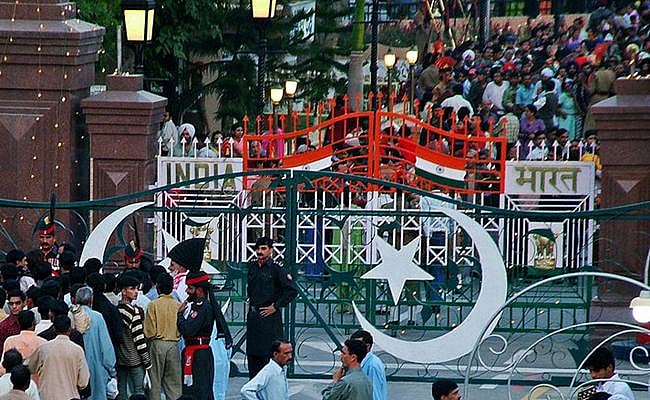
The choreographed aggression of flag-lowering ceremonies on the Wagah border dividing Punjab and frequent cross-border gunfire in Jammu and Kashmir are stereotypical images of the Indo-Pak border. They tend to resonate especially on the days that commemorate the birth of both countries – August 14 for Pakistan and August 15 for India. In both states, national narratives dominated by such images ignore other border crossings between the two neighbours. This is especially true of border crossings that emphasise not the animosity but the continuing links that exist across the border. The Munabao-Khokhrapar crossing on the Sindh-Rajasthan border is an example.
Substantive efforts to connect the border regions of India and Pakistan have centered on bus services and cross-border trade meant to connect the two Punjabs and the two Kashmirs. On the Munabao-Khokhrapar border, however, despite continuous demands to open the land route for trade, the only connection between Rajasthan and Sindh is the passenger train – the Thar Express. Recent media reports of the 'exodus' of Hindus from Sindh underline the need to enable further cross-border exchanges in these contiguous area, rather than hampering them as current regulations do.
One step in this direction may come from recent efforts to step up Indo-Pak trade in petrol and petroleum products. At the first meeting of the Experts' Group on Trade in Petroleum & Petrochemical Products in New Delhi in July, officials discussed the possibility of a dedicated rail route on the Sindh-Rajasthan border. Oil was discovered in Barmer, Rajasthan in 2004, and the British energy giant Cairn and India's Oil and Natural Gas Corporation (ONGC) have set up a joint oil production facility at the site. This offers great potential for the Rajasthan-Sindh border since currently the only other point for trade in petrochemical products is the Attari-Wagah railway line, which is restricted to trade in petrochemical products of the Indian Oil Corporation.
Trade was also the main reason for the first train line ploughing through the desert area as far back as the late nineteenth century. According to the Rajasthan State Barmer District Gazetteer: