
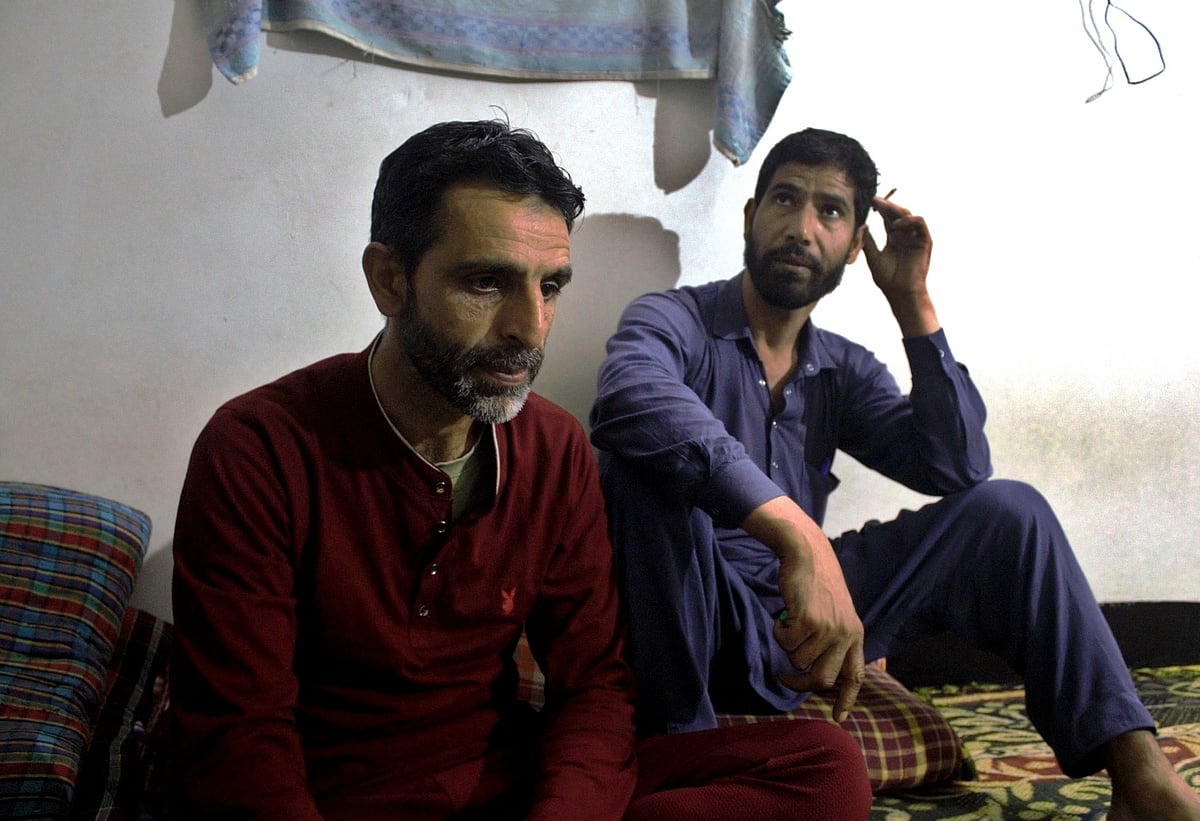
On a cold January morning this year, I walked into a building in Islampur – a neighbourhood in Assam's Guwahati that has been home to Kashmiri merchants or shawl wallahs (as they refer themselves) for the past three months. A few were fresh out of bed while others were having their breakfast – rice, daal and vegetables – the heaviest meal of their day. The men immediately scrambled to prepare namkeen chai, a pink concoction of green tea, milk and salt, for their azeez dost, their fond reference to me.
As I settled down with a cup, Hilal Ahmed, one of the thirteen men cohabiting together, sat beside me and proceeded to share his lament on global warming; the stunted growth of walnut trees in his orchard back home in Pahalgam, a town in Jammu and Kashmir; the rapid rise in populations; and the perceived lack of empathy among people.
Along with the dip in temperatures and the milder intensity of sunlight, the sight of Kashmiri shawl wallahs walking around the gateway city of the Northeast trying to sell their wares, is a typical sign of the onset of winters. But with worsening climatic conditions and rising global average temperatures, the fears of Nazir, Hilal and the rest of the merchants might become a consequent reality – the disappearance of the familiar Kashmiri shawl wallah from the streets of Guwahati.
Nazir Ahmed, another cohabitant, paused while packing his wares and responded, "Today is colder than the rest of the days but what use is it for us? Who'll buy woolens now? I've been coming to Guwahati for over a decade, and the winters have kept getting warmer every year. Who knows if we'll come over next year."