
This week at Himal
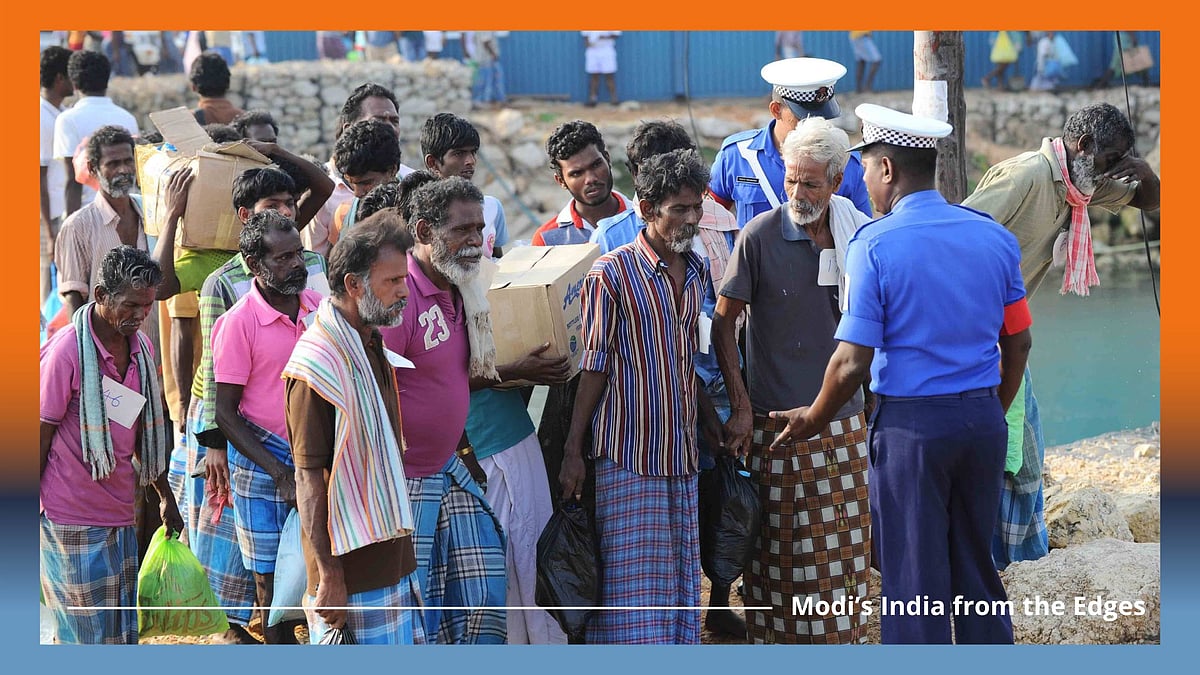
In the latest story from our special series, ‘Modi’s India from the Edges’, Tisaranee Gunasekara writes about the strengthening of relations between India and Sri Lanka, but cautions that the BJP’s chosen trajectory could embolden Sinhala nationalists, and complicate discussions around Katchatheevu and other fishing disputes.
Jamaima Afridi discusses Pakistan’s ongoing deportation drive targeting Afghans, which has widened to include those holding Afghan Citizen Cards registered with Pakistan’s government. She highlights that women, journalists and others are particularly vulnerable to being targeted by the Taliban government upon their return.
As India's election heats up, Aradhna Wal writes that coverage of the climate crisis in mainstream media has been lukewarm, failing to communicate heat-related safety measures to voters.
Independent newsrooms like Himal’s need your support to bring out underrepresented perspectives and underreported stories.
Himal does not depend on advertising, corporate support or a restrictive paywall. We need your support as a reader to keep bringing out underrepresented perspectives and underreported stories, and to keep our in-depth, independent journalism open-access and free to read for all. Please contribute to Himal’s fund for the ‘Modi’s India from the Edges’ series – we cannot do this without you!
Also read: Pakistan’s brutal deportation of Afghans widens to target registered migrants and refugees
This week in Southasia
India's RAW crossing red lines
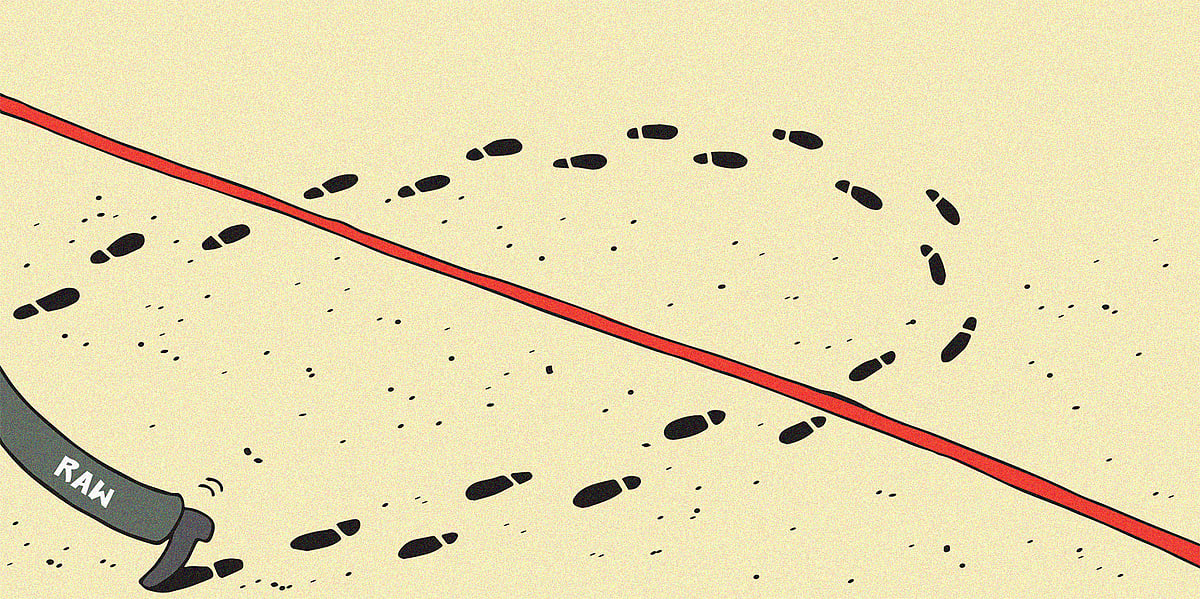
This week, it was revealed that Australia expelled two Indian Research and Analysis Wing (RAW) officers in 2020, after finding they had tried to cultivate politicians, monitor diaspora and obtain classified trade information. The reports come after Canada’s Security Intelligence Service reported that the governments of India and Pakistan had tried to interfere in its elections, with India using proxy agents to provide illegal financial support to pro-India candidates. In 2023, both Canada and the US said Indian intelligence targeted pro Khalistan activists on their soil, with Hardeep Singh Nijjar killed in June 2023. India has said the charges are “unwarranted”, adding they would investigate the foiled assassination plot of a pro-Khalistan activist in the US. On 29 April, India also summoned Canada’s deputy high commissioner after pro-Khalistan slogans were raised at a Vaisakhi (harvest festival) event addressed by Canadian prime minister Justin Trudeau.
These reports reveal RAW’s growing campaign of aggression targeting the Indian diaspora across Asia, Europe and North America. Yet response to these incidents has been relatively muted, due to India’s growing influence as a global player, with even the US reluctant to alienate India. Australia has sidestepped the recent reports, choosing to emphasise the ‘important economic relationship’ with India while saying it is keen to counter foreign interference. Recent reports reveal that RAW officers and agents have faced arrest, expulsion and reprimand in several countries, including Australia, Germany and Britain.

Elsewhere in Southasia 📡
- Sessions judge of South Waziristan district abducted by armed motorcyclists in Dera Ismail Khan, marking uptick in attacks on police and law enforcement officers in the district
- Janata Dal (Secular) party suspends Karnataka MP Prajwal Revanna amidst police investigation of multiple sexual assault charges, casting shadow on 7 May vote
- Nepal’s Supreme Court summons editor and publisher of news website sidhakura in contempt of court case after publishing a video showing chairpersons of media houses attending a meeting of former Supreme Court justices to dismiss over 400 corruption cases
- Indian spice brand MDH refutes allegations of pesticide contamination following reports from food safety regulators in Hong Kong, Singapore; Indian brand Everest also implicated
- Bangladesh extends shutdown of schools after heatwave alert extended to 2 May, with 7 heat-related deaths reported since start of April
- ISIS claims responsibility for attack on Shia mosque in Herat resulting in 6 deaths, countering Taliban’s claims of the group’s waning presence
- Human rights organisation Assistance Association of Political Prisoners reports nearly 5000 civilian deaths since February 2021 coup by Myanmar’s military junta
- Around 40 rallies held in Sri Lanka to mark May Day, but politics takes centre stage over worker demands of payment of fair wages and better worker protections, given upcoming elections
- Maldives foreign minister to visit India on 9 May, marking diplomatic test after parliamentary polls that saw pro-China People’s National Congress party win supermajority
- BJP posts communal video targeting Muslim Indians on its official Instagram account, shortly after anti-Muslim speech from Modi in Rajasthan
- Karen National Liberation Army claims, then relinquishes key border town of Myawaddy as 'neutral' border guard forces intervene to allow military junta to recapture the town, wtth border guard forces entrenching their own control of criminal enterprises along the border
Only in Southasia
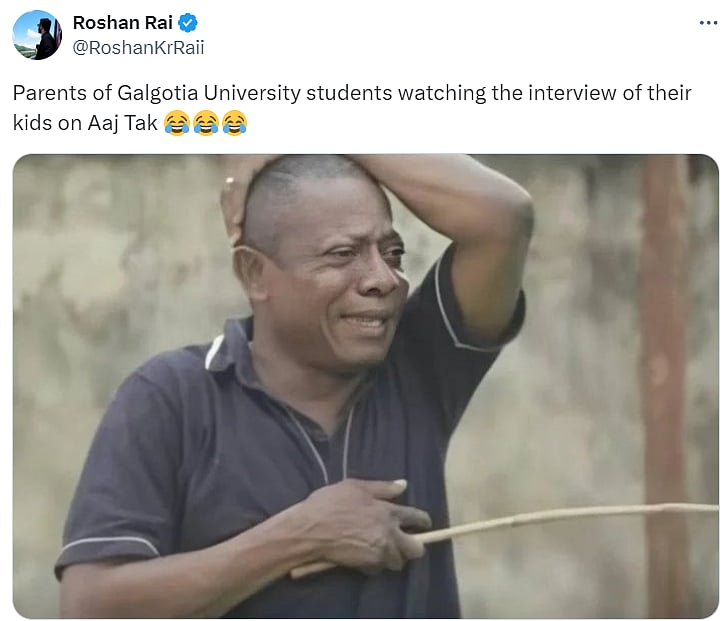
Students from the Uttar Pradesh-based Galgotias University recently found themselves in a fix when a reporter from Hindi language news channel Aaj Tak approached them at a protest against the Indian National Congress party. Reporter Ashutosh Mishra asked the students to elaborate on why they were protesting, asking pertinent questions on tax, the Congress Party’s manifesto and more. Unfortunately, most of the students interviewed were unable to explain why exactly they were protesting. Despite waving placards containing rhetoric about urban Naxals, inheritance tax, and references to Modi’s recent inflammatory comments on mangalsutra snatching, many of the students interviewed could not provide context about the issues being referred to. It appeared many of the students were reading their placards for the first time on camera, with some seemingly unable even to read the slogans they were carrying - a tragicomic indictment on Galgotias University which claims it is among the top 8 preferred universities in the country on its website. Unsurprisingly, the reaction on social media was scathing.
From the archive
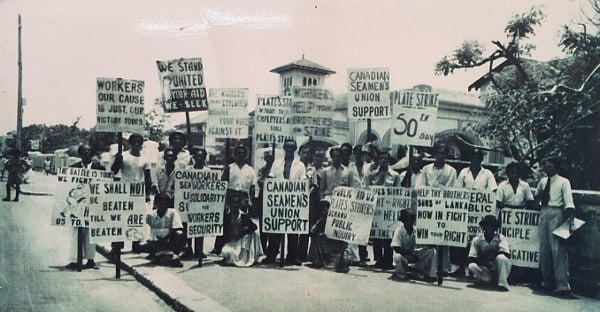
Labour's lost agency (March 2015)
As workers around the world marked International Workers Day on 1 May, this article by Balasingham Skanthakumar is worth revisiting. Skanthakumar highlights the plight of temporary workers and casual workers in the private sector who often lack trade union protection, as well as concerted offensives by lawyers to weaken collective bargaining power. Skanthakumar also lays out the history of Sri Lanka’s labour movement. In light of 1 May, this article by Sushmita Preetha on the crackdown on protesting garment factory workers in Bangladesh, and this from Sarah Eleazar and Zoon Ahmed Khan on privatisation in Pakistan and the erosion of a once-strong worker’s movement are also worth re-reading.