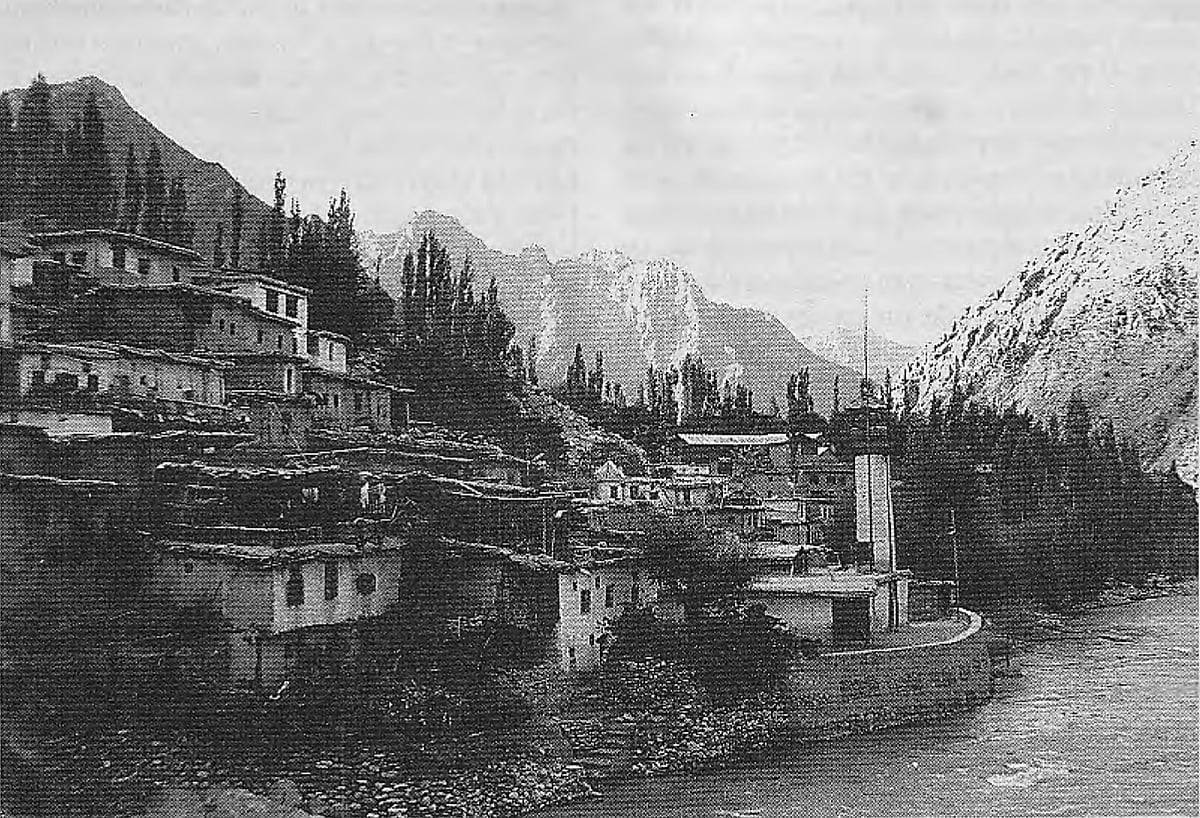
The world differentiates between the two populations of the Ladakh region of India´s extreme north – one Muslim, the other Buddhist — in interesting ways. Outsiders, be they from New Delhi or New York, tend to regard Leh as a place populated by pleasant people with a Buddhistic culture worth preserving; the Shias of Kargil, on the other hand, are regarded and treated as backward, conservative, ignorant, and even evil.
Indeed, Ladakh´s Buddhists have been quite successful in drawing attention to themselves as a small minority precariously positioned on the borders of India. Meanwhile, the Muslim population of Kargil has long escaped attention even though their living conditions are worse.
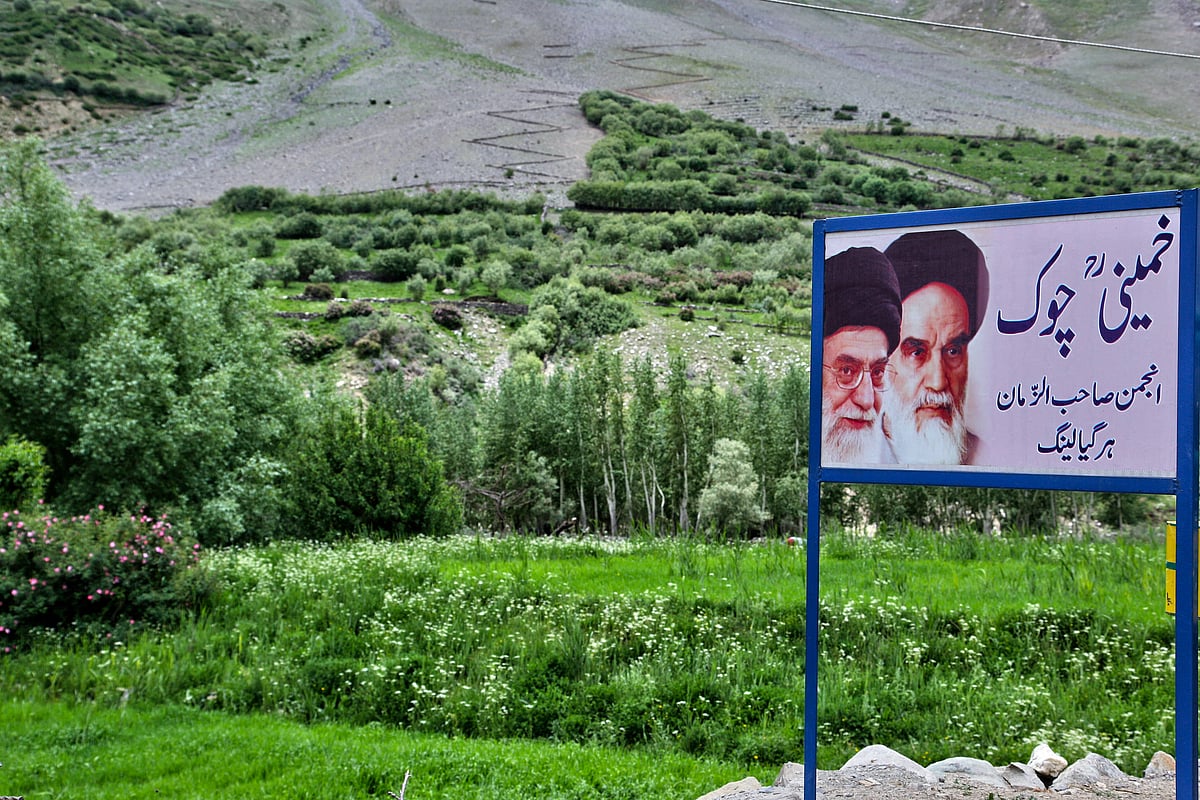
Before 1989, tourists travelling to Ladakh overland from Kashmir had to spend at least one night in Kargil. Travel guidebooks describe the place as bedbug-infested, full of grim-looking men, a place to pass through as quickly as possible. With the escalation of violence in Kashmir Valley, and a route from Manali to Leh having opened up from the south, few tourists today pass through Kargil, except those en route to Buddhist Zangskar. Turbaned and bearded mullahs and portraits of Iranian ayatollahs do not have the same appeal to tourists as red-robed lamas and monasteries perched on hill tops.