In March 2024, the classical dancer Kalamandalam Sathyabhama made controversial remarks aimed at R L V Ramakrishnan, a Mohiniyattam dancer based in Kerala, arguing that men with his skin tone and looks were not suited to Mohiniyattam. In remarks translated by news channels, she likened his skin tone to the “colour of a crow”, insisting that people who performed Mohiniyattam had to have the figure of a “Mohini”. Mohini is the female incarnation of the Hindu deity Vishnu and an enchantress from the ancient epic the Mahabharata, who gave the dance form its name. Asked to justify her remarks, Sathyabhama asserted that she was only repeating stipulations from the Natyashastra, which defines the ideal dancer in terms of their physical appearance as well as their mental and emotional state of being. In Sathyabhama’s view, the description of an ideal dancer in a centuries-old text remained relevant to contemporary realities. Speaking to the press, she asked, “Do dark-skinned children ever win beauty pageants?”
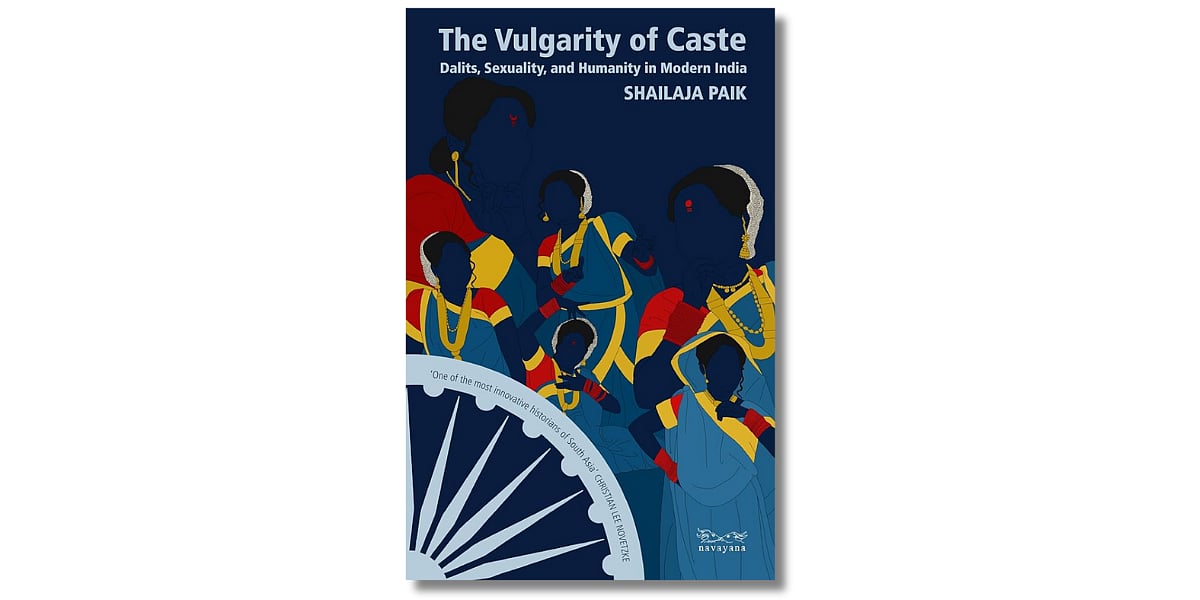
Sathyabhama’s comments coded widely held assumptions of the caste and gender identities that classical dancers are expected to conform to. To be the ideal dancer, to belong, one must look the part. (In 2015, an Odissi dance teacher asked me to hide my teeth when I smiled; she thought it was jarring to see glimpses of my white teeth against my dark brown skin on stage.) If performance shapes how we read society, how do intersections between performance and society contribute to our understanding of identity, modernity and citizenship? Three recent books mobilise these connections to demonstrate how caste, gender and sexuality collectively shape Indian modernity and, consequently, contemporary Indian society. These texts look at distinct regional yet transnational performance cultures, where key actors – artists, writers, politicians and other influential figures – rehearse and consolidate societal meanings and positions, making these understandings visible via performers’ bodies.
NO PERFORMANCE IS EVER created or staged in complete isolation. It is shaped by socio-cultural factors and stylistic influences, with far-reaching implications for how society is organised and read, as all three books demonstrate. New scholarship acknowledges the complex dynamics of the situations and people they discuss – which are not easily encapsulated by binaries of gender, caste and class.