
In a corny old British TV series, Red Dwarf, a shape-shifting alien invades a spaceship and imperils its resident humans. Each time the humans figure out the form it has currently assumed – a sausage, say, or a fluffy rabbit – and try to slay it, the creature changes into something else to avoid detection and waits for a fresh chance to attack. In Southasia, imperialism is evidently one such monster: whenever it is chased off, it slips into another, seemingly benign, form in order to re-insinuate itself and ultimately smother its hosts. It used to be 'civilising the savages'; now it comes as 'development'.
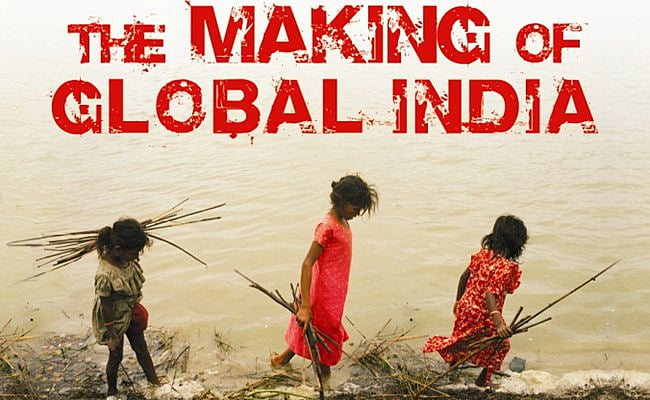
Churning the Earth: The Making of Global India explains the processes by which Indians have again lost their economic sovereignty, and the devastation this new conquest has wrought upon the lives of the country's poorest. In the early 1990s, when India needed a loan, the World Bank (WB) and the International Monetary Fund (IMF) used the opportunity to impose constraints on its domestic policies. These 'structural adjustments', followed by India's entry into the World Trade Organisation, remodelled the country's economy to conform with the profit-making imperatives of international and domestic corporations. The result has been enormous wealth for a few, which has trickled down to an extent in cities and towns, but a disaster for rural areas, in which two-thirds of the Indian people reside.
India's forests and villages supply the land, water, minerals and other natural resources necessary for industrialisation, commodity trading, toxic waste disposal and corporatised agriculture. The poor are being robbed, often at gunpoint, of the very environs in which they live. "What we see is actually a well-disguised form of imperialism, sophisticated enough to leave room for the national … elite to share the spoils of exploitation with the dominant classes in industrialised nations," explain economist Aseem Shrivastava and ecologist Ashish Kothari in their meticulously documented treatise.
Churning the Earth makes for slow reading because it contains so much information, but it is essential reading. It offers a deeply researched and comprehensive critique of India's liberalisation, so routinely lionised in both the Indian and the Western press. Liberalisation has increased the country's dependence on imports, using speculative capital loaned by foreigners. "India was, in effect, seduced into living beyond its means," comment the authors. Should international investors find India's policies not to their liking, they can leave with the click of a mouse, plunging the economy into a crisis. "The hands of our 'democratically' accountable leaders are actually well tied behind their backs," Shrivastava and Kothari note. So instead of seeking to protect Indians by enforcing ecological and social norms, their government does all it can to ensure that regulations will not get between investors and their profits. In 2006, for example, following the recommendation of a World Bank-funded report, the Ministry of Environment and Forests began clearing proposals for mining and other endeavours in ecologically sensitive areas at the rate of two or three projects a day – up to six times faster than before.