
When one begins to evaluate scholarship on Nepali politics, its constantly unpredictable twists and turns are difficult to miss. If one only considers the period post-2015, the year the country's new Constitution was promulgated, Nepal has seen, among other things: elections of newly designed local, provincial and federal governments; ascendance of a muscular post-republican nationalism; mergers and splits of major parties; multiple attempts to dissolve Parliament unconstitutionally; an unusual coalition between traditional liberals and communists; and most recently, electoral upsets where independent candidates beat entrenched party machineries in major cities.
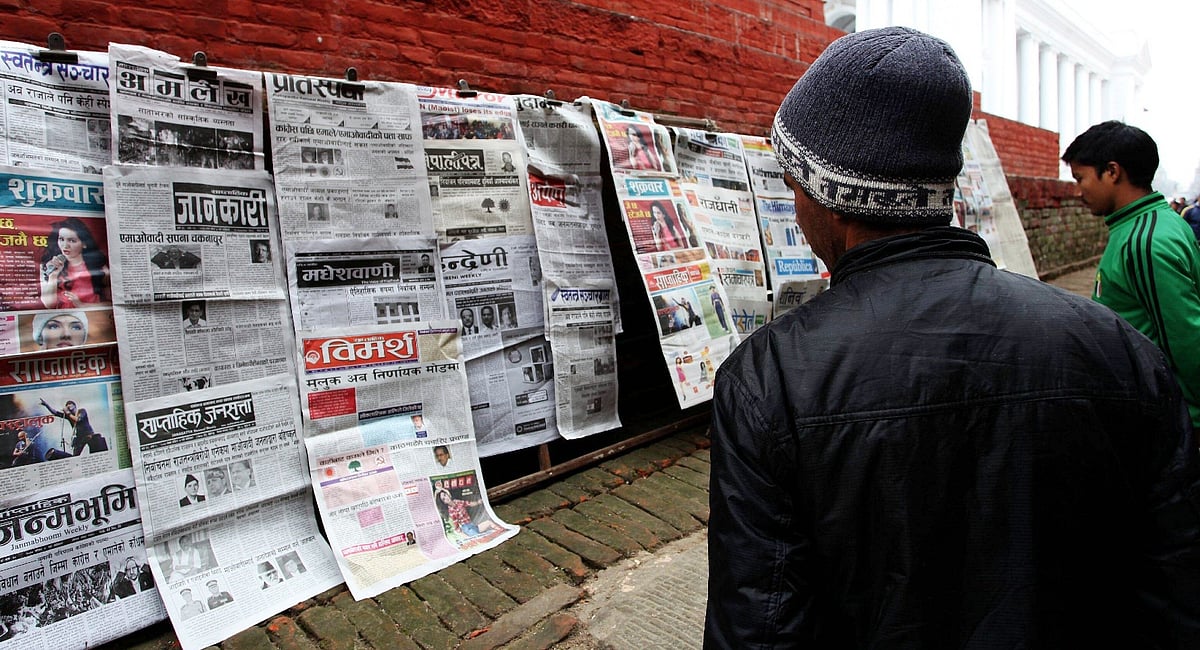
It is worth noting how such issues have been documented in contemporary Nepal over the decades, which have largely occurred in two major mediums: popular media and academia. Among the two, the popular media has overwhelmingly dominated the balance of information and analyses. The former circulates both information and opinion on the ongoing political churnings, while the latter is expected to come out with larger analysis of the 'why's and the 'how's of the structures and processes behind political events. Yet there is a serious deficit of knowledge generation of the latter kind.
To be sure, scholars of Nepali politics have made various contributions in expanding our understanding of these interactions, including in the years after 1990, which is the period of our interest. Most of these writings have thus focused on either locating these elements in a very broad historical or cultural context or have directed their analysis towards actors such as individual leaders, institutions or political parties. What has been missing, however, is a robust tradition of political sociology that studies political changes and events alongside social organisation and tensions in the country – particularly that is empirically grounded and theoretically informed.
In fact, even when experts and scholars of politics – including political scientists, as well as political sociologists, historians and anthropologists – have offered opinions and analyses in the media in recent years, it has revolved around commentaries on key political personalities, or their personal instincts, psychologies or decisions. What then distinguishes a quickly composed opinion column from scholarly attention to nuances of how political actors, institutions, ideas and power interact?