

This week in Himal
We're thrilled to share that we already have 6 new Patrons signed up as part of our 38 Patrons for 38 years campaign! We're hoping that even more of you will sign up to become paying supporters as we celebrate 38 years of Himal - so we can bring you even more from around the region. Click here to join our Patron programme and be part of the campaign - we also have a special surprise coming up at the end of the month so stay tuned to know what that is!
This week, Sreyarth Krishna writes the story of Eesoo, a Dalit woman whose courage in 1841 challenged a centuries old system of caste-based slavery in India, hastening freedom for millions. Krishna writes that while this history was forgotten in academia, many stories on caste-based slavery persist in popular culture and traditional writings.
Don't miss our story by J J Robinson this week on how young Maldivians are finding their political voice after a woman's fall from an apartment building.
For the next episode of the Southasia Review of Books podcast, host Shwetha Srikanthan speaks with Michelle de Kretser about her novel Theory and Practice which deals with colonialism and the moral complexities that arise in the gap between purported values and lived experience.
This week in Southasia
Young Maldivians find their political voice after a woman's fall
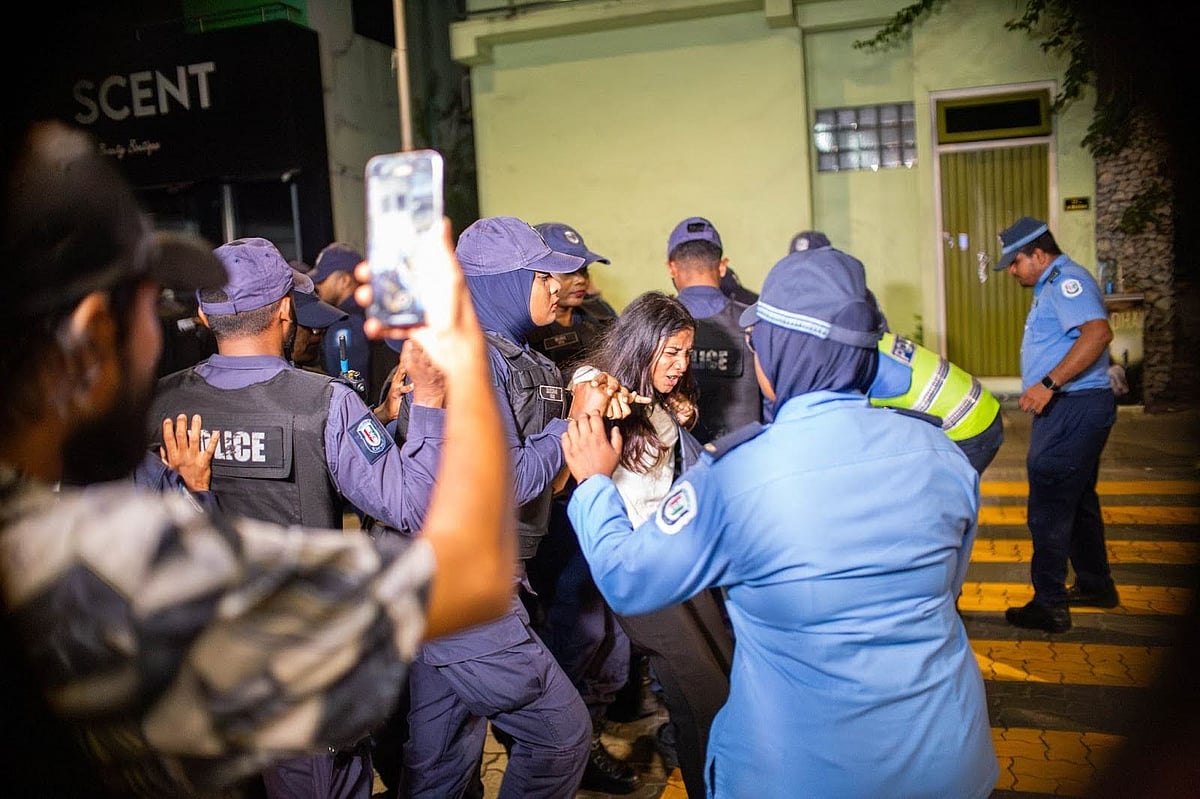
Young Maldivians have been protesting near the police criminal investigation headquarters in the capital city of Malé for a week after a young woman fell from an apartment building on 18 April. While she remained in hospital with critical injuries, the public began pushing for answers as rumours circulated that she had attended a party at the Transport Minister Mohamed Ameen’s residence. The police initially held a closed-door briefing for journalists where they showed CCTV footage from the apartment building, but blurred out the face of the young man shown in the footage. They were eventually forced to disclose the identity of the people who had attended the party after protests began. They included the Transport Minister’s nephews and two members of President Mohamed Muizzu’s communications team.
The protests have become a flashpoint for disaffection with Muizzu’s regime, with protesters highlighting police corruption and nepotism and accusing police of shielding politically-connected youths. A presidential commission appointed to investigate the case - a key protester demand - had to be reshuffled after one of the members was found to be related to a person of interest in the case. Ameen’s nephew Izdiyaan Mohamed Maumoon has been sacked from his role as undersecretary for strategic communications while Daudh Ahmed, Muizzu’s undersecretary for digital communications has been suspended, and two police chiefs have resigned due to the protests. The 21-year-old boy seen with the victim in the footage was also arrested after a week. But the protests continue, and police have begun cracking down, using pepper spray and arresting two protesters on 1 May.
Elsewhere in Southasia
- India will include caste details in its next population survey, the first since the 1931 census during British rule. A new count based on caste will likely restructure quotas for the reservation system in the country.
- Pakistan’s information minister claims they had ‘credible intelligence’ that India is planning an imminent military strike over the deadly terrorist attack in Pahalgam last week
- A female Nepali student was found dead in a Kalinga Institute of Industrial Technology college hostel. The incident comes after the death of Prakriti Lamsal in February who reportedly took her own life following alleged torture by her own classmate.
- Bangladesh agrees to the United Nation’s request to establish a humanitarian corridor to transport aid along its border into Myanmar’s Rakhine state, even as interim government continues to push for repatriation of Rohingya refugees who escaped persecution
- Junta bombs kill 8 in northwest Myanmar, while clashes with the Karen National Liberation Army in the central region have forced more than 4,000 people to flee from their homes
- Pakistani security forces kill 54 Afghan militants who attempted to cross the border near the northwestern Khyber Pakhtunkhwah province
- Nepal’s Nagarik Unmukti Party leader Resham Chaudhary released after arrest on the basis of an unauthorised Supreme Court letter, shortly before shortly before planned merger between Nagarik Unmukti Party and Janamat Party
- Afghan refugees in Pakistan send open letter to US President Donald Trump to revive US resettlement program as they don’t have the right to work and education in Pakistan
- Sri Lanka’s foreign minister explains that they rejected the land connectivity plan with India because of economic and political disparity between the two countries.
Only in Southasia
The Colombo Magistrates Court made a startling discovery when attempting to destroy imported liquor bottles that had been stored as case evidence recently. When examining the stock of imported liquor, beer and the local tipple arrack, they discovered that someone had replaced the alcohol in the arrack bottles with plain tea. The disgruntled court magistrate had then ordered the seizure of the stock and filed a case with the Keselwatte police station in Colombo to find out what happened to the missing alcohol. We’re sure law enforcement will conduct a spirited investigation.

From the archive
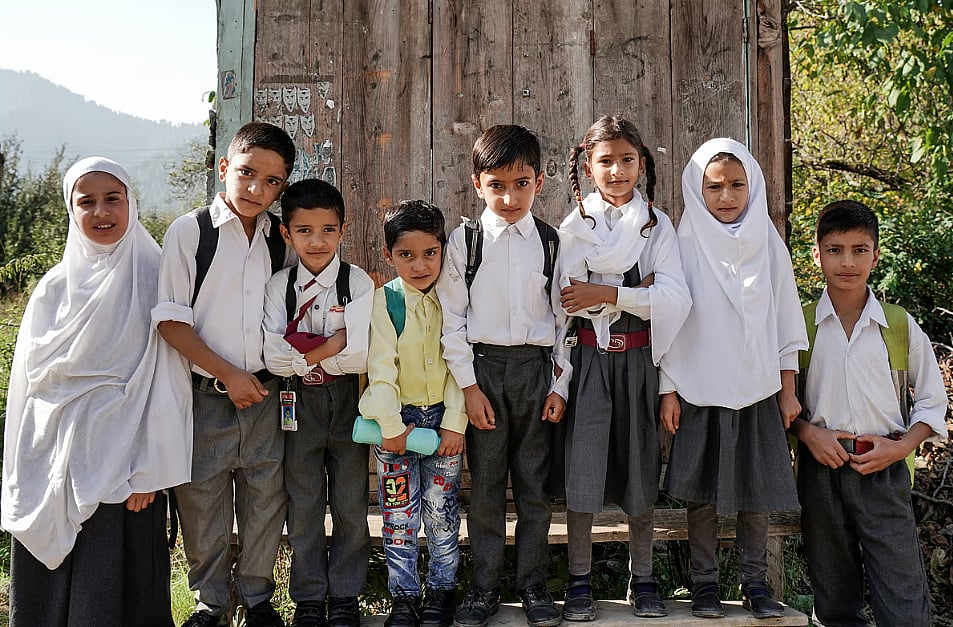
The many traumas of children of conflict along the India-Pakistan border (December 2024)
This week, as news organisations continue to report on the fallout from the Pahalgam attack, Safina Nabi’s article from 2024 is worth a re-read. Nabi writes about the impact of the decades-long conflict between India and Pakistan on children living along the border, with high levels of chronic stress, anxiety and malnutrition reported in India-administered Kashmir.