
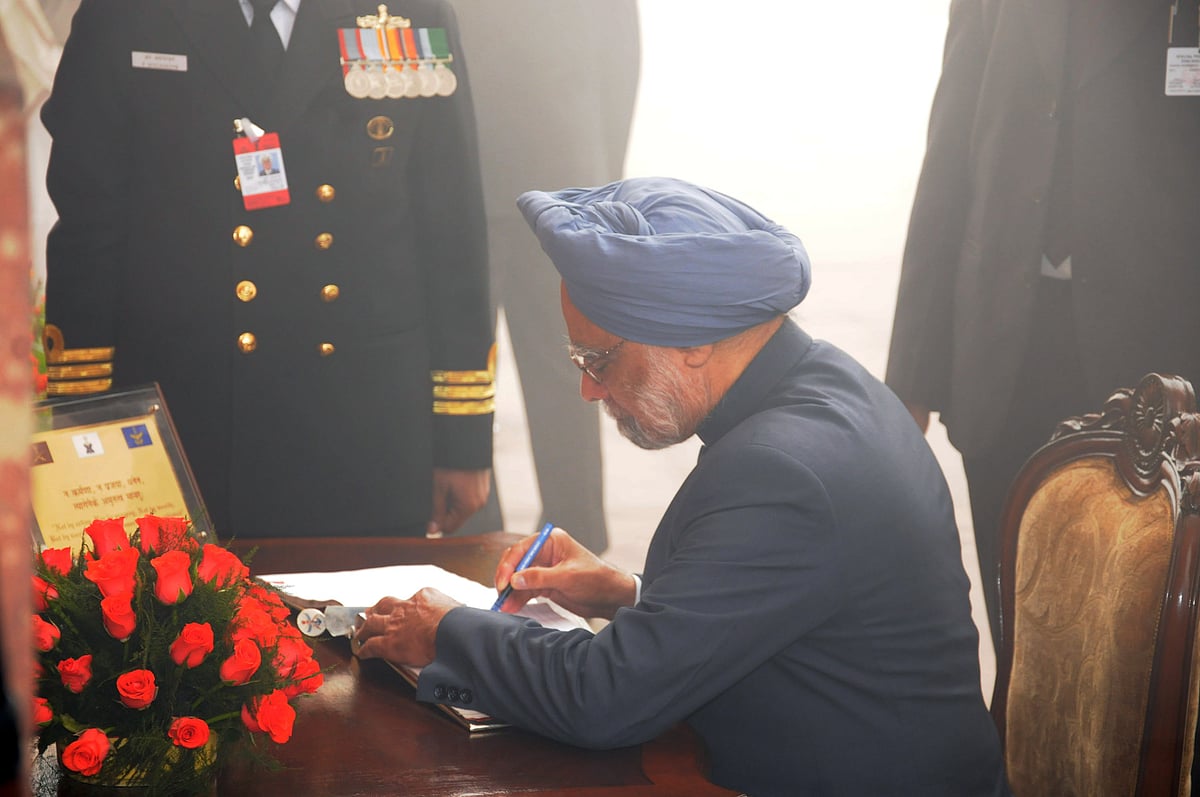
Himal: Do you believe that the Government of India and the Indian intelligentsia are today more aware of the need for Southasian integration? What has led to this change?
Prime Minister Manmohan Singh: India has always been aware that it cannot prosper and progress without its neighbouring countries also prospering, and progressing, in equal measure. It is only through partnerships and cooperation that we can harness our respective strengths. We believe that historically the Southasian region has flourished the most when it has been connected to itself, and to the rest of the world. It is because of this that under India´s chairmanship of SAARC, we focussed on strengthening connectivity in our region – physical, economic and of the mind.
There is today in Southasia an unprecedented economic vibrancy. This has brought with it a historic opportunity to eliminate poverty and disease from our region. But we are also aware of the enormous challenges that have to be overcome, such as terrorism, climate change and food and energy security.
Due to India´s size and centrality in the region, talk of Southasian regionalism is seen with suspicion by some, as a part of India´s attempt to economically overwhelm its neighbours. Others see regionalism as a ganging-up by the smaller neighbours against India. How do you react to these extreme positions?
These are mindsets of the past, which we have to jettison. They have stood in the way of Southasia occupying its rightful place in the world. India has always believed in peace and friendship with her neighbours. SAARC is an association that provides an opportunity for its eight member states to walk the path of progress together, to overcome developmental challenges facing the region together, and to seize the opportunities that a rapidly globalizing world offers. As the largest country in SAARC, India will contribute to regional prosperity in a non-reciprocal asymmetric manner.