Ways of interpreting 'modernisation' in the West differ from the ways it is understood elsewhere. In the West, modernisation is seen as the triumph of rationality over tradition. But for the rest, traumatised by experiences of colonialism in direct or indirect forms, modernisation is not what Westerners think or say, it is what the colonial masters did and their progenies still do. Modernisation is a synonym of Westernisation – or worse, 'Westoxication', a term Iranian scholar Ahmad Fardid coined to depict minds "plagued by the West".
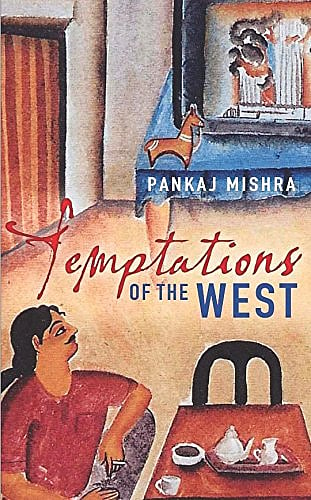
In trying to explore 'how to be modern in India, Pakistan and beyond', Pankaj Mishra has consciously ignored the urge of emancipated serfs to ape their former masters. He begins instead in 'An Area of Darkness', with all its Naipaulian allusions, at a time of turmoil wrought by repeated failures in replicating the European enlightenment, the European industrial revolution, and the European political experiments of Fabian Socialism, Marxism, Leninism and fascist Nationalism.
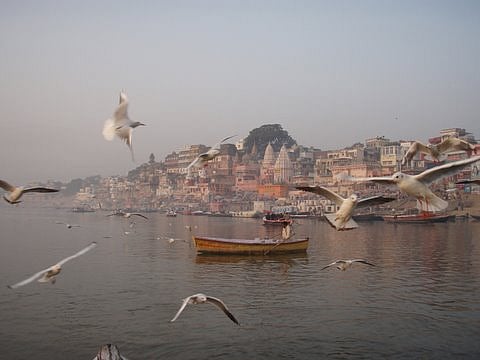
Mishra's Benaras reeks of decadence: an opium-addict, Panditji, in a half-derelict house; a scrawny boy who throws grenades at his former tormentors; a Brahmin student who loves Gandhi, hates Nehru, reads Faiz but is a contract killer. As the author absorbs the absurdities unfolding all around him, he reads the American literary critic Edmund Wilson to maintain his balance – and perhaps to prepare himself for membership in the select club of literati that prosper by pandering to the prejudices of the West. Some day, V S Naipaul is going to be blamed for inspiring a whole horde of what Gandhi once dismissed as "literary drain inspectors".