

This week at Himal
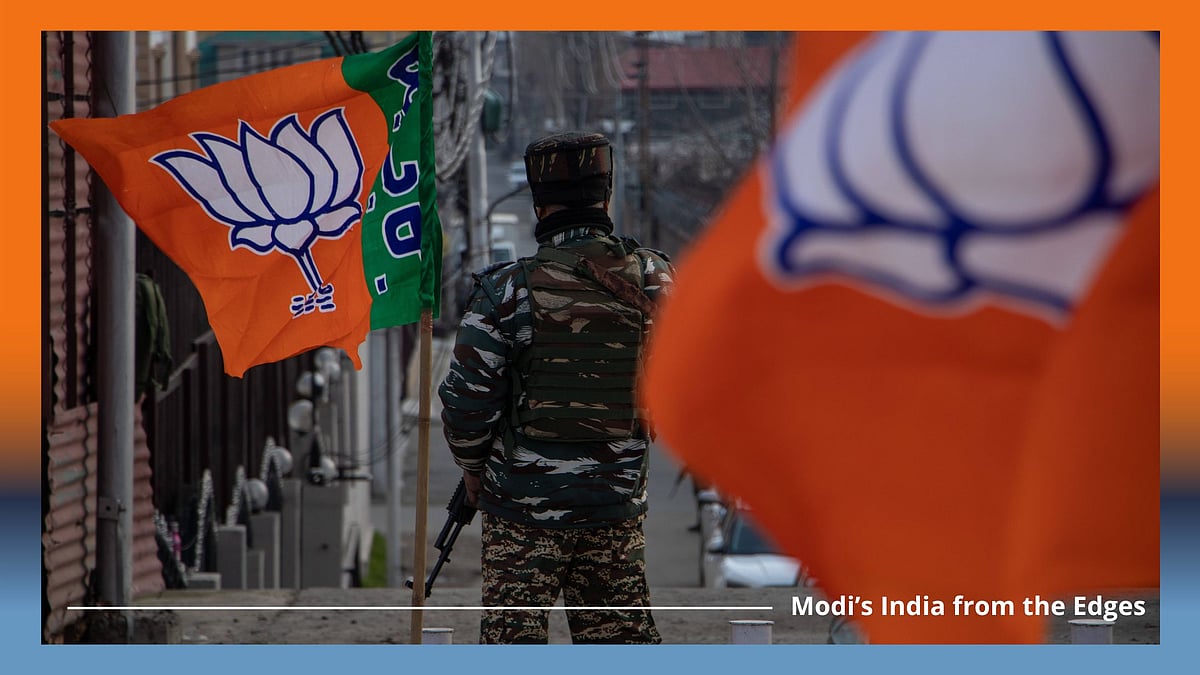
In the latest story from our special series, ‘Modi’s India from the Edges’, Anuradha Bhasin writes about how Modi's forcible integration of Kashmir with India, achieved through the abrogation of Article 370, increased militarisation and the suspension of elections, has resulted in the subjugation and suppression of citizens living in Kashmir.
For the fourth episode of State of Southasia, host Nayantara Narayanan talks with Chandni Singh, an environmental social scientist. The discussion covers why the heatwave across the Subcontinent is unlike the heat of the past, the social and economic impacts of heat and how the heatwave is impacting India's elections.
Independent newsrooms like Himal’s need your support to bring out underrepresented perspectives and underreported stories.
Himal does not depend on advertising, corporate support or a restrictive paywall. We need your support as a reader to keep bringing out underrepresented perspectives and underreported stories, and to keep our in-depth, independent journalism open-access and free to read for all. Please contribute to Himal’s fund for the ‘Modi’s India from the Edges’ series – we cannot do this without you!
Also read: Modi has forcibly integrated Kashmir with India but erased Kashmiris
This week in Southasia
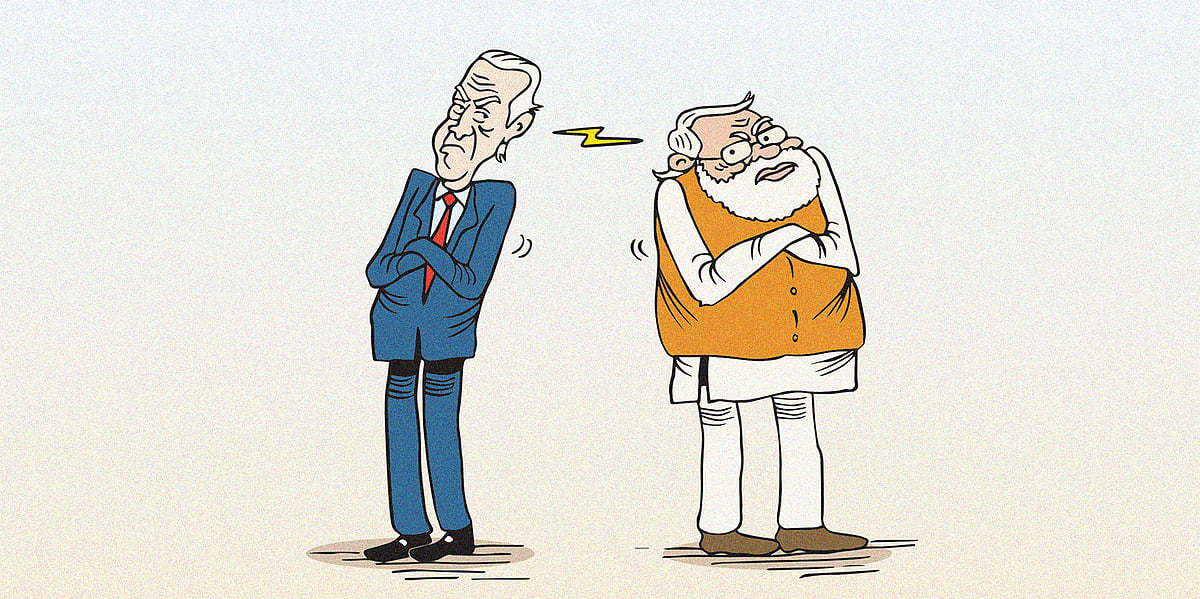
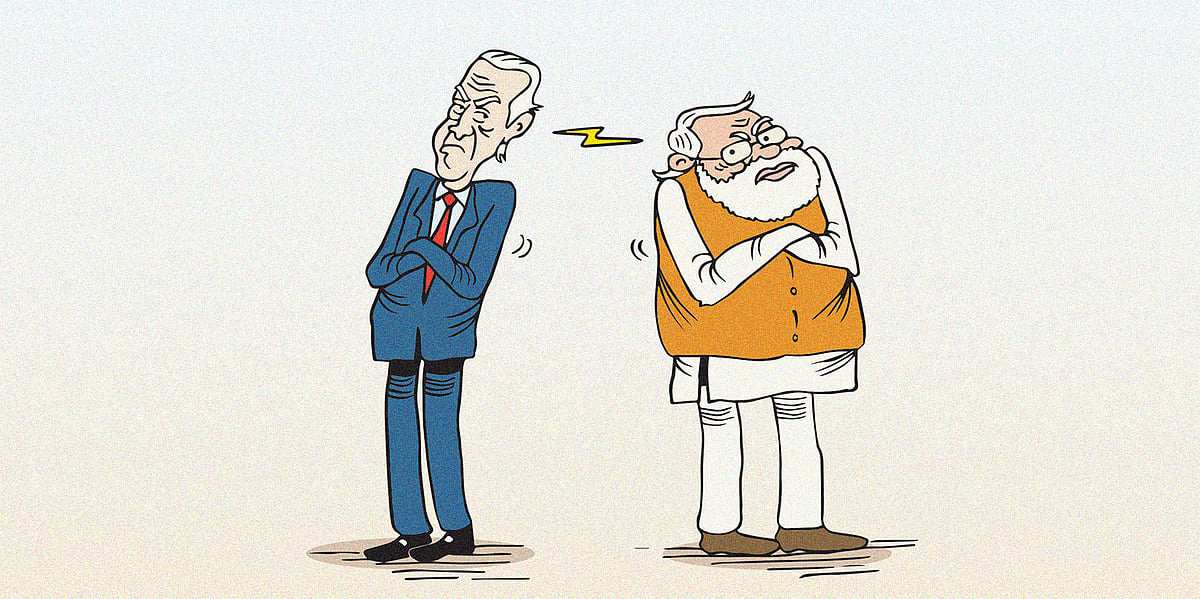
US President Biden calls India 'xenophobic'
On 2 May, US President Joe Biden raised some eyebrows during a campaign fundraising event. Speaking to an audience that included Asian Americans, Biden said that the reason for the US economy's growth was their acceptance of immigrants, adding that China, Russia, India and Japan struggled economically due to xenophobic policies. Biden's comments were surprising (and not just because US’ Immigration and Customs Enforcement deported more than 142,000 immigrants in 2023.) The US president has made a point of strengthening ties with allies India and Japan since taking office in 2021.
India's Minister of External Affairs Subrahmanyam Jaishankar was quick to point out that India's economy was not faltering, adding that the country has historically been open to immigrants. But Jaishankar's comments ring hollow as yet another animated video posted by the Karnataka faction of the BJP used anti-Muslim rhetoric to attack the India National Congress party, with the Elections Commission writing to X (formerly Twitter) to remove the video just before Karnataka's polling closed. In 2023 alone, research group India Hate Lab recorded 668 hate speech events targeting Muslims - 75% of them in BJP-ruled states. Media coverage of Biden's comments also mentioned India's Citizenship Amendment Act and National Register of Citizens, which have been criticised as discriminatory. While the White House was quick to downplay Biden’s comments, his stance may reflect growing concerns about India targeting its diaspora in other countries, including the US.

Elsewhere in Southasia 📡
- Delhi Lieutenant Governor calls for probe into Delhi Chief Minister Arvind Kejriwal for allegedly receiving money from pro Khalistan group Sikhs for Justice, as he remains in detention ahead of Delhi polls
- Pakistan farmers plan mass protests as wheat prices plummet due to decision to import wheat despite a bumper crop. More than 250 farmers arrested in Lahore during earlier protests
- Nepal announces NPR 100 currency note including disputed territories claimed by India, re-igniting tensions between the two countries
- Myanmar suspends, then resumes work permits for men as people flee conscription amidst escalating conflict between Myanmar military junta and anti-junta armed groups
- Nearly 2000 exiled Tibetans protest in Paris during Chinese president Xi Jinping's visit, calling on French President Emmanuel Macron to raise Tibet with his Chinese counterpart
- Residents of Badakshan province protest against Taliban destruction of poppy fields, two killed in two days of protests. Taliban agrees to key demands of protesters amid rising unrest
- Heatwave impacts 1.2 million displaced people living in tents in Sagaing region, Myanmar, with at least two reported deaths
- Awami League (AL), Bangladesh Nationalist Party (BNP) struggle to control grassroots in upazila elections, with 50 relatives of AL MPs contesting, and 50 BNP candidates choosing to contest despite BNP decision to boycott
- India formally withdraws soldiers from Maldives by 10 May deadline, Maldives foreign minister Moosa Zameer visits India and discusses regional security issues and bilateral relations amidst simmering tensions
- Sri Lanka's Election Commission announces presidential elections will be held between 16 September and 16 October, the first elections since Sri Lanka's economic crisis
- Gunmen storm house near Gwadar city and shoot 7 workers from Punjab province in apparent ethnic attack, following a pattern of ethnically motivated attacks in Balochistan province
Only in Southasia
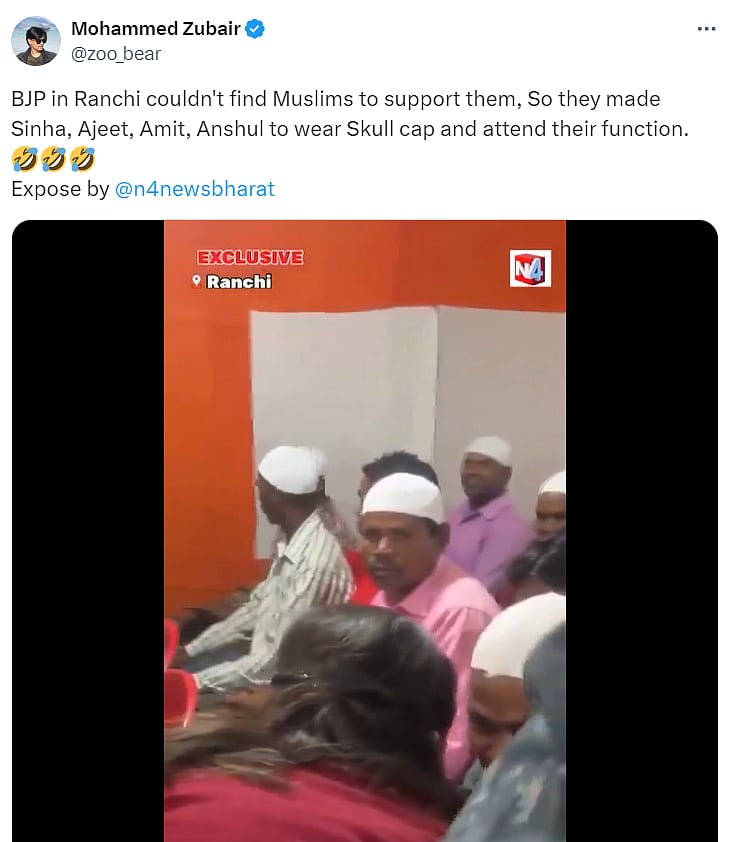
Members of the BJP in Ranchi found themselves in a dilemma when they were unable to find Muslim supporters to attend their campaign events. In the absence of an alternative, local politicos decided to... invent some. A local news channel found that many of the topi-wearing attendees at a BJP event were in fact, Hindus who had been asked to masquerade as Muslims. Given much ado about forced conversions, and the BJP frequently using anti-Muslim hate speech as a campaign tool, the tactic was ironic.
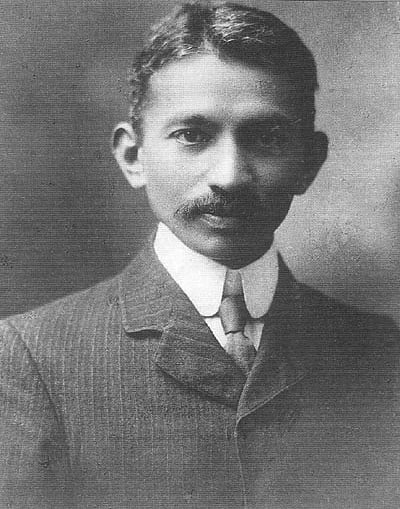
From the archive
The ambivalence about Gandhi (March 2006)
8 May, 1933 marks one of the longest fasts undertaken by Gandhi to draw attention to the discrimination faced by oppressed castes. This 2006 piece by Ashish Nandy on Southasia's difficulties with Gandhi's legacy is worth revisiting. Nandy writes about his ambivalence towards Gandhi, who he associated with authority, and his later seeking him out as a way to explain growing political authoritarianism in India. Nandy does not impute superhuman visionary powers, nor saintly status to Gandhi, but examines him as a political figure.