
This week at Himal
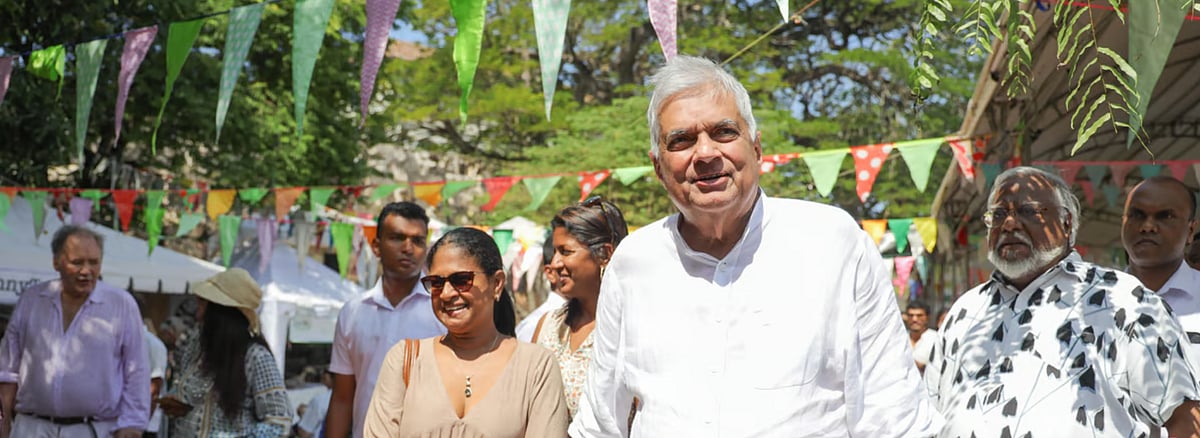
Starting next week, and running through the upcoming Indian national election, Himal Southasian will be bringing you Modi’s India from the Edges, a series where we look at what Modi’s decade in power has meant for Southasia, with perspectives from neighbouring countries as well as from Indian territories outside the BJP’s power base in the Hindi heartland of north and central India.
With a near-universal expectation that Modi and the BJP are on the cusp of another five-year term in power, we examine how the country’s bi-lateral relationships with neighbours like Pakistan, Bangladesh and Sri Lanka have changed; how voters in Kashmir, Tamil Nadu and Manipur assess Modi’s tenure; and how India’s image and symbolic place in Southasia has been altered by a decade of Hindutva rule. While much of the Indian and international media will offer detailed (and sometimes myopic) India-focussed coverage of the election, Himal looks to offer a wide-angle Southasian analysis of Modi’s reign and its ramifications. Stay tuned!
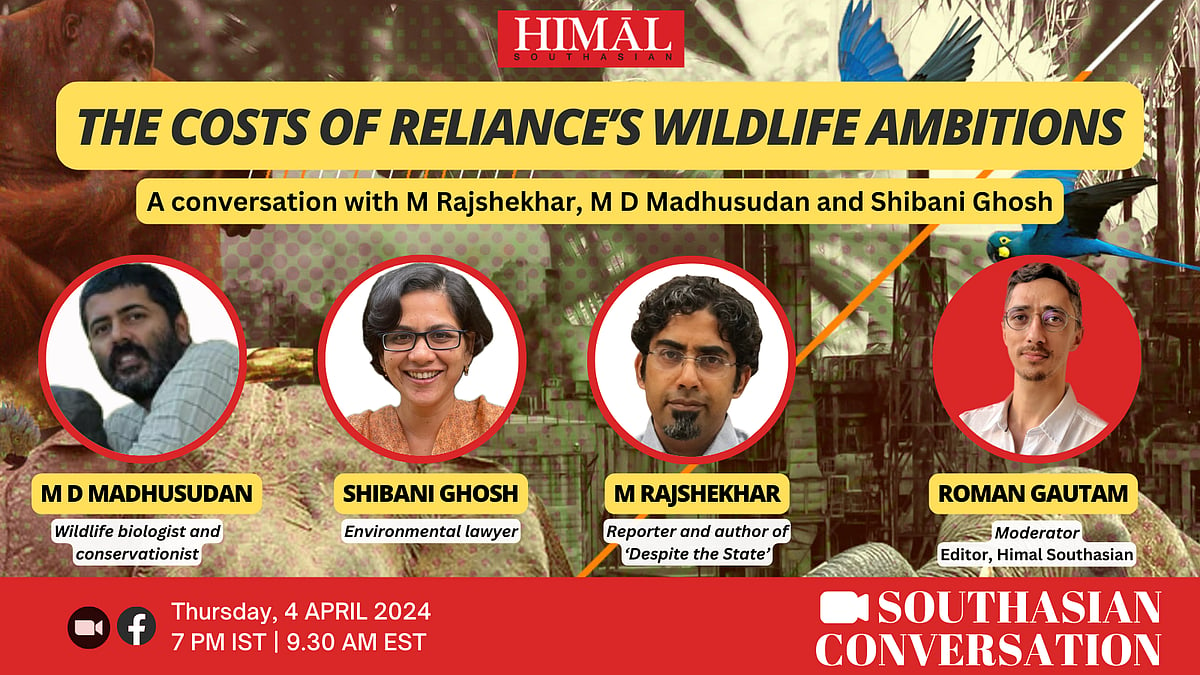
On 4 April, we hosted a special Southasian Conversation building on our recently published investigative article on the costs of Reliance’s wildlife ambitions. Well over a hundred participants joined the discussion on Zoom or followed along on the Facebook livestream. The video of the discussion will be available online soon.
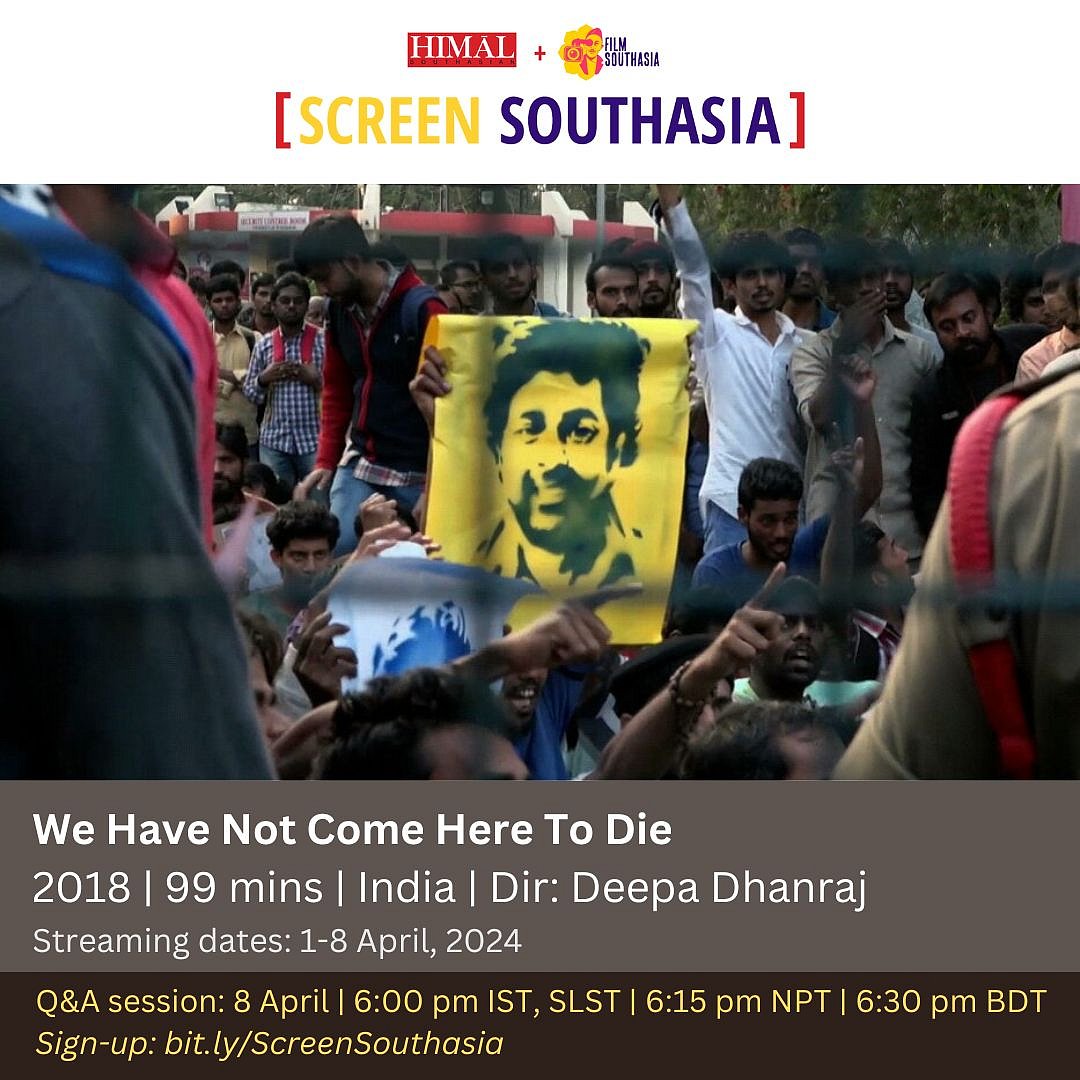
We’re also currently streaming Deepa Dhanraj’s documentary ‘We have not come here to die’, a searing examination of why the now-iconic Dalit student and activist Rohith Vemula was driven to end his own life in 2016. The film is part of Screen Southasia, our monthly series of online documentary screenings in collaboration with Film Southasia, and commemorates Dalit History Month. Sign up here to access the film until 8 April and join us for a Q and A with the director on 8 April at 6 pm IST.
Also from Himal this week:
Also read: The persistent risks of love across social norms in India
Also read: State patronage and geopolitics are strange bedfellows for Sri Lanka’s literary and art festivals
This week in Southasia
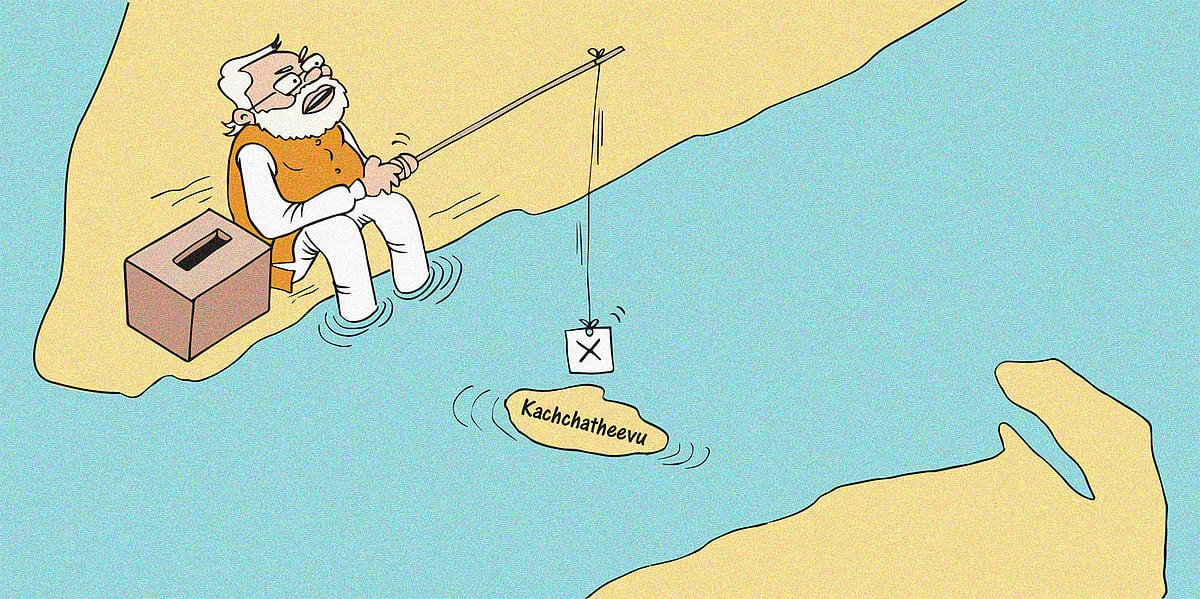
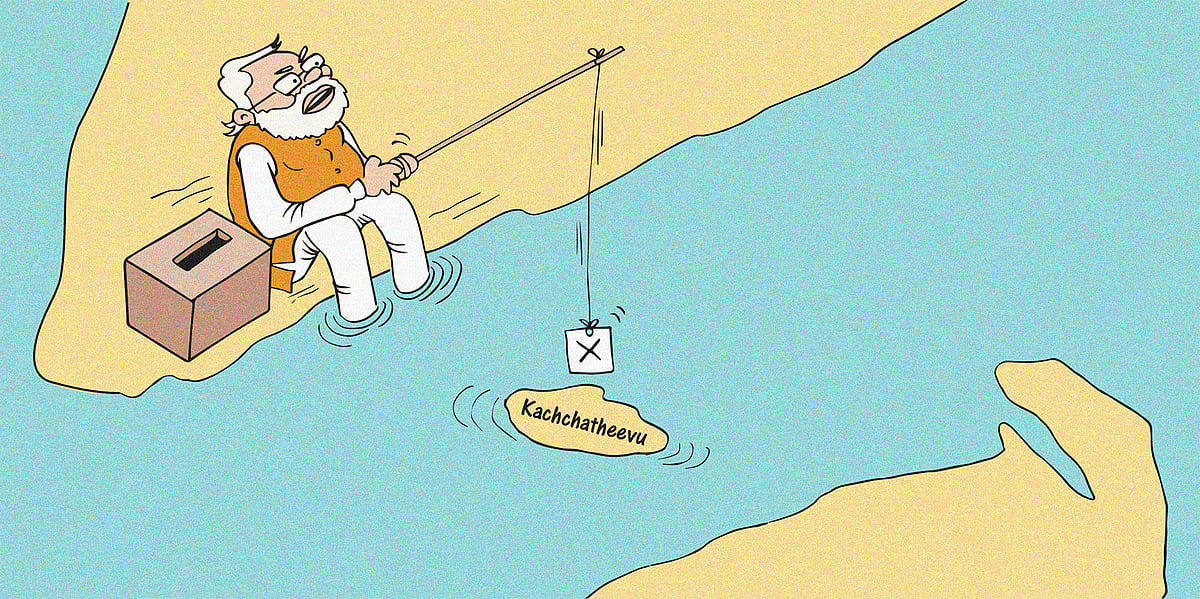
BJP revives dispute over Kachchatheevu island ahead of Lok Sabha elections
In the past week, the island of Kachchatheevu, located between Jaffna in Sri Lanka and Tamil Nadu in India, became a topic of discussion after a Right to Information request filed by Tamil Nadu BJP leader K Annamalai. The Indian government’s response revealed the process of how the disputed island was handed over to Sri Lanka in the 1970s, and it was then widely circulated, including by India’s prime minister, Narendra Modi. Critics have questioned the timing of these moves, given India’s upcoming Lok Sabha election, with many saying that the BJP is stirring up controversy in a bid to appeal to the Tamil Nadu electorate. The issue has given the BJP an opportunity to take potshots at the Indian National Congress and Dravida Munnetra Kazhagam (DMK), both bitterly opposed to it.
Both India and Sri Lanka claimed fishing rights in the waters around Kachchatheevu since at least 1921. In 1974, India, under the Congress’s Indira Gandhi, recognised Sri Lanka’s ownership of the island in a formal maritime agreement which demarcated the boundary between the two countries and also noted that both would be able to access rights that they had “traditionally enjoyed”. Fishers from Tamil Nadu are often detained when fishing in Sri Lankan waters, including near Kachchatheevu, while Indian political parties have filed cases in their Supreme Court challenging the agreement with Sri Lanka. In February, Indian fisherfolk boycotted the annual festival at the shrine to Saint Anthony on Kachchatheevu in protest against the detention of Indian fishers.

Elsewhere in Southasia 📡
- Ruling PML-N alliance sweeps Pakistan’s senate elections; Khyber Pakthunkhwah Assembly elections postponed by Pakistan’s Election Commission due to opposition lawmakers not being sworn in despite a court ruling
- Tension at Bangladesh University of Engineering and Technology as students boycott exams and call for ban on campus politics imposed after a student death in 2019 to be upheld after a Bangladesh Chhatra League meeting on campus
- Nine children killed after playing with an old landmine near Ghazni province, as Taliban officials claim landmine was a remnant from Russian invasion of Afghanistan in the 1980s. UN mission in Kabul says more work needs to be done to protect Afghans
- Myanmar’s military junta begins conscription early amid continued territorial losses including a key border trade town along Myanmar-China border and junta batallion headquarters in Karen state. Anti-junta groups continue targeted killings of administrative officials involved in conscription
- Nepal’s government proposes zoning of protected areas and national parks to allow for adventure tourism including mountain-biking and canyoning under new regulations
- Amazon’s ‘Just Walk Out’ technology, billed as AI-driven, relied on thousands of low-paid remote cashiers in India, new report finds. Amazon announces switch to smart-shopping carts amid reports of layoffs
- Former Sri Lankan president Maithripala Sirisena questioned by the CID after claiming to know who masterminded the 2019 Easter Sunday suicide bomb attacks. Sirisena reportedly implicated India in his statement to the CID, but has refused to make a statement in court
- Three Sri Lankans convicted in the Rajiv Gandhi assassination case released from Tiruchi camp, return to Sri Lanka after death of one ex-convict in Chennai
- Several judges in Islamabad and Lahore High Courts receive threatening letters laced with potentially toxic substances after several judges appeal to Pakistan’s Supreme Judicial Council to prevent intervention into judicial matters by Inter-Services Intelligence
- New report reveals Indian government involvement in 20 killings in Pakistan since 2020, as part of an emboldened approach to national security after Pulwama attack in 2019. Report alleges direct involvement of India’s Research and Analysis Wing in assassinations
- Southasia grapples with ongoing heat-wave. India’s Meteorological Department predicts above-normal temperatures from April to June as India prepares for elections. Bangladesh predicts three more days of heat wave, with hot and humid weather reported. Sri Lanka’s Department of Meteorology predicts hot weather will last until May. A recent UNICEF study reports that Southasia has the highest percentage of children exposed to extremely high temperatures
- First batch of Indian construction workers deployed to Israel under government-to-government agreement that looks to replace Palestinian workers amid escalating Israel-Hamas war that is drawing growing international condemnation. At least 1000 Sri Lankan workers reported to arrive in Israel in March, with Sri Lanka signing agreement to send approximately 20,000 migrant workers to Israel
- A long-running probe concludes that corruption cost the Nepal government millions of dollars in the acquisition of two widebody Airbus jets for the national airline. Nepal continues to grapple with a series of high-profile scams, with recent arrests of some prominent figures
Only in Southasia!
In the Indian state of Madhya Pradesh, a young woman faked her own abduction in an attempt to secure a medical education. She had arrived with her mother to enroll in coaching classes in the city of Kota, with the objective of getting into medical school. However, the would-be medical student was afraid that she would be unable to pass the medical entrance exam, disappointing her parents. A YouTube video gave her the idea to fake her own abduction, with a couple of accomplices. While she continued to send photos and videos of herself to her parents, pretending she was still attending classes, she travelled to Indore to stay with her friends just three days after arriving in Kota. Her parents were shocked to receive a ‘ransom note’ with a demand for INR 30 lakh to free her. Unfortunately for the student, her parents went straight to the police, who eventually tracked her down in Indore and returned her to her relieved parents. The ransom note was in order to fund her enrollment in a medical school in Russia.
All’s well that ends well – though this story certainly takes exam jitters to a whole new level!
From the archive
The roots of Dalit rage (January 2007)
As April marks Dalit History Month, Sukumar Muralidharan’s writing on the roots of Dalit rage is worth revisiting. Muralidharan’s article was written in the aftermath of a statue of B R Ambedkar being vandalised in Uttar Pradesh. He notes that when there are regular news reports on caste atrocities against the living, the Dalit movement has been forced to make tactical choices placing symbolism above substance, and asks whether this has led the upper and middle classes to believe that Dalits do not have the political maturity to advocate on their own behalf. Despite verbal championing of the rights of the oppressed classes by varied political formations, he writes, in a direct confrontation between Dalit rights and entrenched privilege the state becomes yet another accessory of power and wealth.