This week, we’re sending out our 100th issue of the Southasia Weekly newsletter to over 15,000 subscribers! Across 100 issues, this newsletter has traced a region in motion – from people’s protests in Nepal to seismic drama rocking Bangladesh’s politics and the growing importance of women’s cricket. Week after week, we have followed the rise of communal hate and nationalism, the fallout of border tensions, and the devastating impact of foreign-aid cuts and new tariffs on already fragile economies.
You might think there’s a giant team behind putting together this newsletter, but in fact there’s just two of us, editorial fellow Lydia Smith and I, who read through reports, statements and eyewitness accounts, searching for stories that cut through the noise. New experiments have emerged which you’ve loved, including Snap Southasia, our segment that spotlights striking Southasian photography. And of course, Gihan de Chickera’s insightful cartoons capture the essence of the big headlines of the week. One hundred issues in, Southasia Weekly remains a commitment to slow, careful, cross-border journalism – and an invitation to keep watching this region together. Thanks for reading, and please consider joining the Himal Patron programme to support our newsroom.
This week in Himal
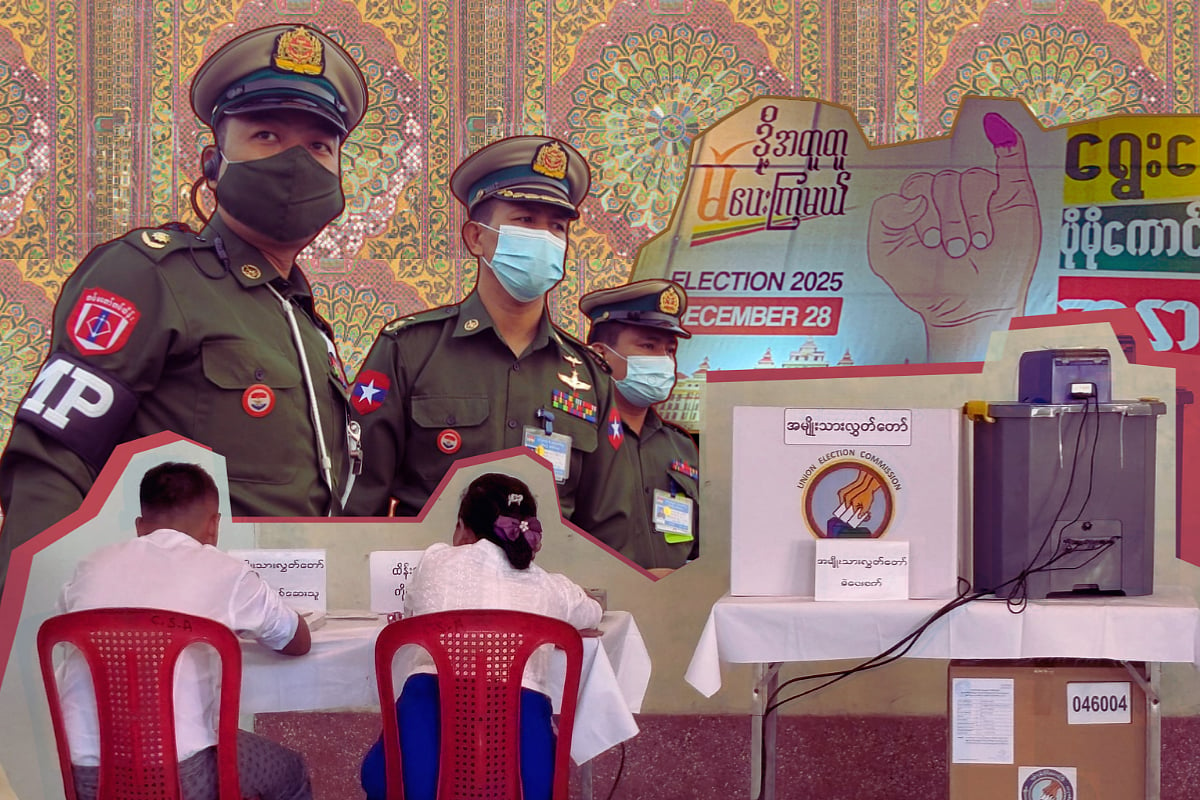
In a ground report from Yangon, Ben Dunant writes that low voter turnout and military intimidation have left Myanmar’s citizens with few hopes that the election will lead to democratic transition.
Also read: ‘Dalit Voice’ and V T Rajshekar’s frustrated revolution
Also read: Podcast: Felix Pal, Christophe Jaffrelot, Tanika Sarkar & Harsh Mander on the RSS’s hidden network
Also read: Himal Interviews: How Pakistan’s partisan politics empowers its military
This week in Southasia
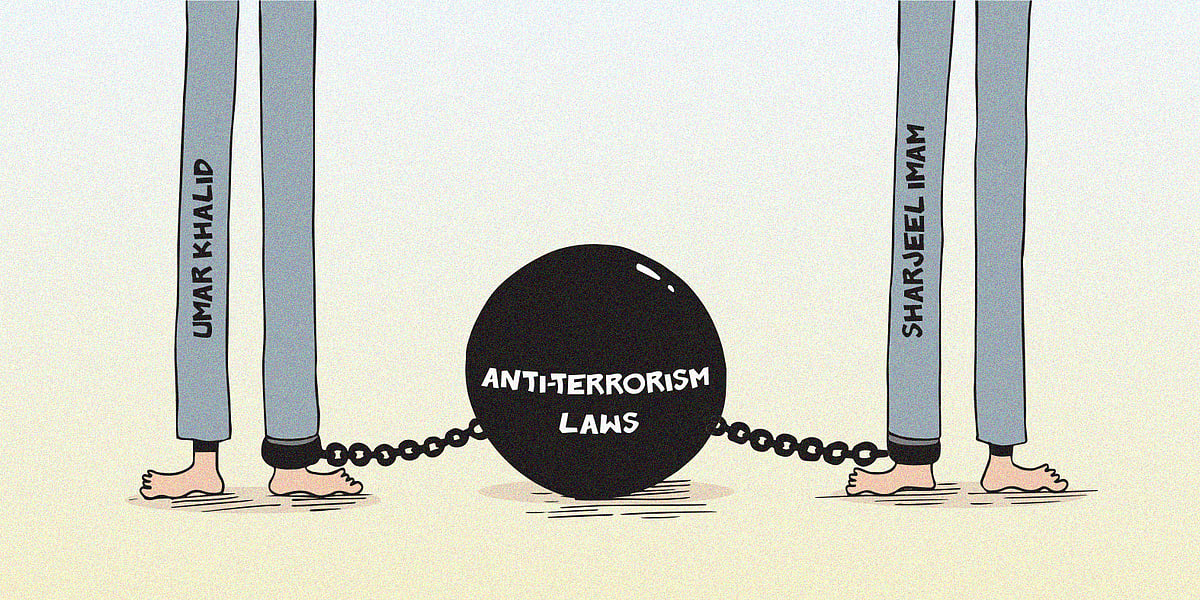
India denies bail to Umar Khalid and Sharjeel Imam
On 5 January, India’s Supreme Court denied bail to student activists Umar Khalid and Sharjeel Imam, even as bail was granted to five other Muslim students in connection with 2020 protests around the Citizenship Amendment Act, which critics have said is exclusionary and anti-Muslim. Both Khalid and Imam were detained under anti-terror laws and held for more than five years without trial alongside others. The decision has sparked criticism from human rights organisations, lawyers and political leaders alike, including that pre-trial detentions are becoming normalised as a tactic in India.
The denial of bail to Khalid and Imam is only the latest instance where activists in India have been targeted for their dissent, including through the strategic use of antiterrorism laws. It also forms part of the growing Islamophobia in India that stands contrary to the secular principles laid out in India’s constitution. In 2024, the Washington-based research group India Hate Lab recorded a 74% spike in hate speech, particularly around elections, with Muslims the most frequent targets. Recent incidents have included arrests for holding “I love Muhammad” posters, “love jihad” cases that later fall apart, yet lead to extended detention, and lynching, among others. In light of this, Harsh Mander’s interview with Afreen Fatima, a young researcher and activist, as part of the Partitions of the Heart podcast series, is worth revisiting. Scroll down to the archives section to read it.
Elsewhere in Southasia:
- Bangladesh suspends visa services, blocks Indian cricket broadcast after Kolkata team drops Bangladesh player Mustafizur Rahman amidst growing tension between the neighbouring countries
- India closes border after mosque vandalism in southern Nepal incites communal protests, local government declares curfew
- Eighteen die, nearly 400 admitted to hospital following contaminated drinking water crisis in Madhya Pradesh, India; similar outbreak detected in Uttar Pradesh
- New law in Maldives proposes holding president, parliamentary in a single day citing savings, pending public referendum; critics say the consolidation would weaken accountability, encourage voting along party lines
- Afghanistan and Pakistan begin negotiations to re-open border as Pakistan and China team up to combat regional terrorism, create Special Security Unit for Chinese nationals working in the country
- Myanmar junta offers amnesty to over 6100 prisoners, including 52 foreigners, on national independence day as junta party notes success from first round of elections, disregards allegations of voter fraud
- Seven Pakistani media workers sentenced in absentia to life in prison under anti-terrorism laws for role in 2023 protests in response to imprisonment of ex-Prime Minister Imran Khan
- Law prohibiting non-Hindus from entering Kumbh Mela pilgrimage destination under consideration by chief minister of Uttarakhand, India; seen as BJP distraction ploy from controversial Ankita Bhandari case
- Bhutan, Bangladesh and Nepal added to list of countries requiring USD 15000 bond upon B1 and B2 visa application to US, set to start January 21
- Indian environmental activist detained, home searched as government investigates “suspicious foreign inward remittances” that could compromise Indian energy policies
- Severe weather conditions detected from eastern coast in Sri Lanka just months after Cyclone Ditwah leaves hundreds dead
- Pakistan and Bangladesh plan to resume direct flights between capitals for first time since 2012
Revisit the below archival stories from Himal adding more context to this week's news updates from India, Bangladesh, Pakistan and Afghanistan
Also read: Himal Interviews: Bulldozers, hijab and Muslim rage in Modi’s India
Also read: Bangladesh is vexed by and wary of Modi’s unstinting support to Sheikh Hasina
Also read: The political economy of reporting on the War on Terror in the Afghanistan–Pakistan borderlands
Snap Southasia
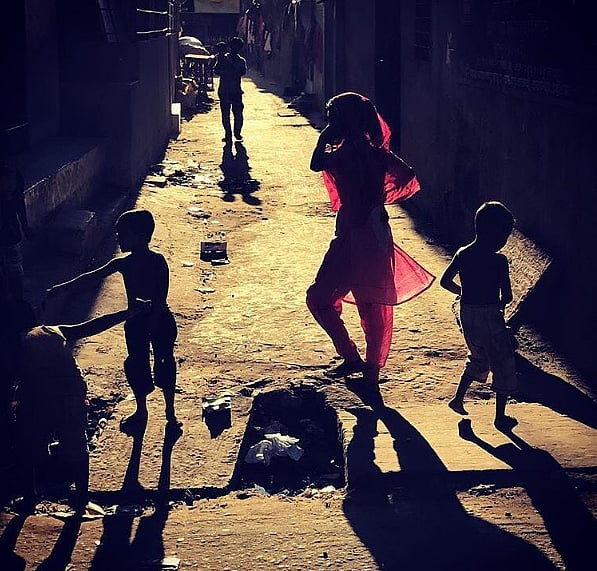
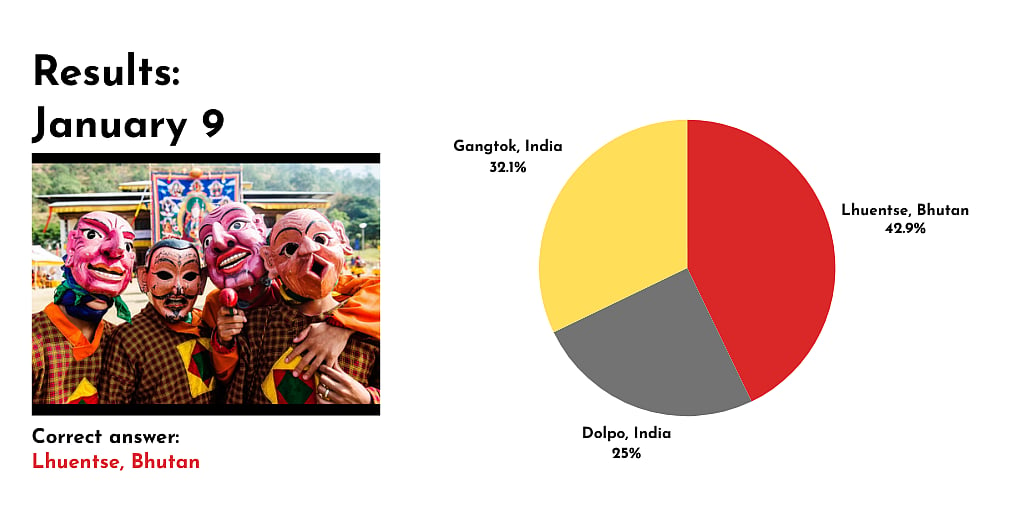
Where in Southasia is this image from? Click on your guess below (and check in next week to see if you guessed right!)
Mumbai, India
Chattogram, Bangladesh
Karachi, Pakistan