
Introduction
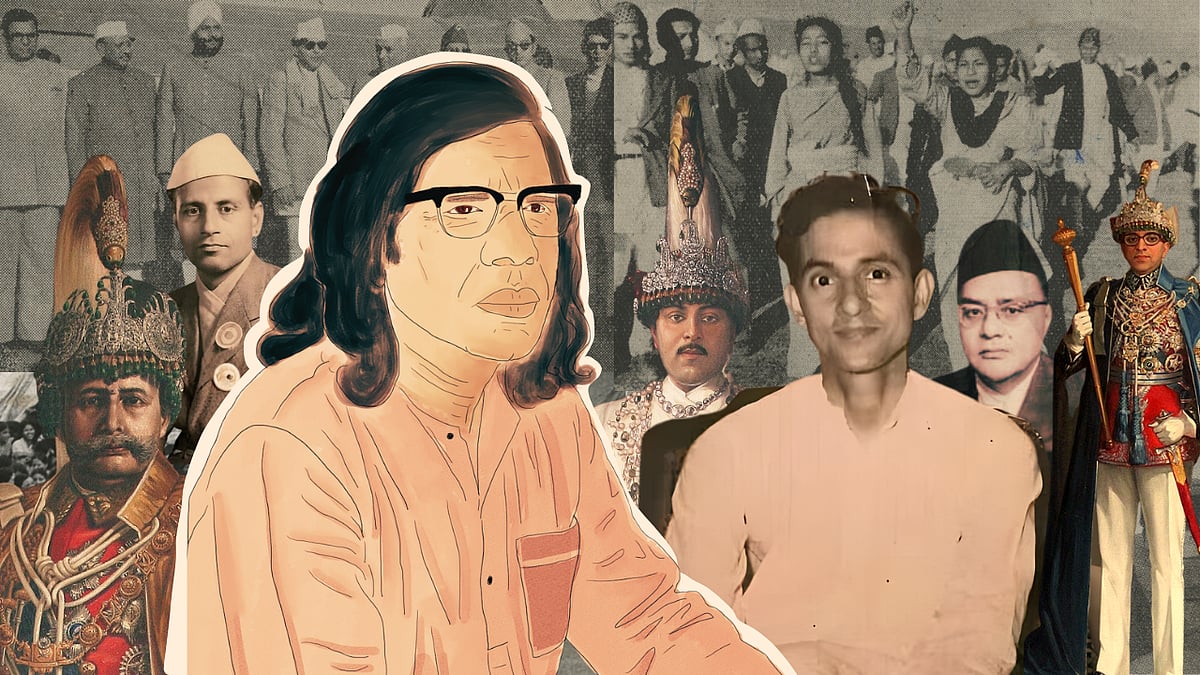
“No matter what people say, I will maintain that this revolution is not unsuccessful but rather unfinished,” Phanishwar Nath Renu wrote of Nepal’s 1950–51 revolution. The Hindi writer’s words were both historically true and prophetic: the same can be said of all of Nepal’s popular uprisings, including the most recent one, the Gen Z revolt in 2025.
In 1950, possessed by the fervour of pan-Asian decolonisation and the zeal of a young revolutionary, Renu followed his “Sandaju”, Bishweshwar Prasad Koirala – “BP” to all who knew him – into the Nepali Congress’s armed insurrection against the Rana autocracy. BP had first met Renu in 1937, when the latter was hanging, dripping wet in the rain, from the door of the Katihar–Jogbani train in the Indian state of Bihar. Renu was still years from his 1954 novel Maila Anchal, which transformed Hindi literature and earned him lasting fame; BP, a writer himself, was years away from making a name for himself in history as the first democratically elected prime minister of Nepal. BP was travelling with his wife, Sushila, and the couple invited Renu inside out of pity.
He travelled with them across the Nepal border to the Koirala residence in Biratnagar, lived there for a period, and studied at a school famously founded by the Koirala patriarch, Krishna Prasad, in defiance of the Rana regime’s suffocating controls on public education. It was a relationship that was to last the rest of Renu’s life.